
Are Fluoride Treatments Safe for Children and Adults?
If you've ever sat in a dental chair and hesitated when we offered a fluoride treatment, you're not alone. It's one of the most common pauses we see at Spring Dental. Parents worry about it for their kids. Adults assume fluoride is "just for children," or wonder if too much of it could actually cause harm. Honestly, most of this worry comes from mixed messages online, old myths that never die, or just not knowing what fluoride actually does once it hits your teeth.
So let's clear the air. Fluoride treatment for children and adults has been studied for decades, and dental professionals overwhelmingly agree: it's a safe, effective way to strengthen enamel and prevent cavities. But instead of just telling you it's safe and moving on, we want to walk through why the worry exists in the first place, what the research actually shows, and how fluoride gets used responsibly in a dental setting like ours in North Quincy, MA.
The Root of the Worry: Where Fluoride Concerns Come From
Most people who ask "are fluoride treatments safe" aren't being paranoid. They've read something about fluorosis, or seen a claim online linking fluoride to health issues, and they want a straight answer before saying yes to a treatment for themselves or their kid. Fair enough.
Here's the honest breakdown: fluorosis is a real condition, but it's cosmetic, not dangerous. It happens when kids under age 8 get too much fluoride while their adult teeth are still forming under the gums, usually from swallowing extra toothpaste over and over, not from a single in-office treatment. It can leave faint white spots or streaks on the enamel. That's it. It doesn't weaken the tooth, cause pain, or lead to disease.
The confusion usually comes from lumping everything together, tap water, fluoride toothpaste, and a professional treatment, as if they all carry the same risk. They don't. Professional fluoride treatments are measured, controlled, and calculated based on your age and needs. That's a completely different animal than unsupervised exposure at home.
What Fluoride Actually Does for Your Teeth
Fluoride strengthens the outer layer of your tooth, the enamel. Enamel is constantly cycling between losing minerals (demineralization, from acids in food and bacteria) and regaining them (remineralization, from saliva and fluoride). When that balance tips too far toward losing minerals, cavities show up.
A professional fluoride treatment gives enamel a concentrated mineral boost. That helps it resist acid attacks and can even reverse early decay before a cavity fully forms. This is why dentists recommend it not as some extra add-on, but as a preventive tool that works alongside brushing, flossing, and your regular checkups.
Why Children Are Often Prioritized for Fluoride Treatments
Kids' teeth are still developing, and their enamel isn't as mineralized as adult enamel yet. That makes it more vulnerable to acid and decay. This is part of why fluoride treatment for children gets built into routine visits, especially for kids prone to cavities or who don't get steady fluoride from tap water or toothpaste at home.
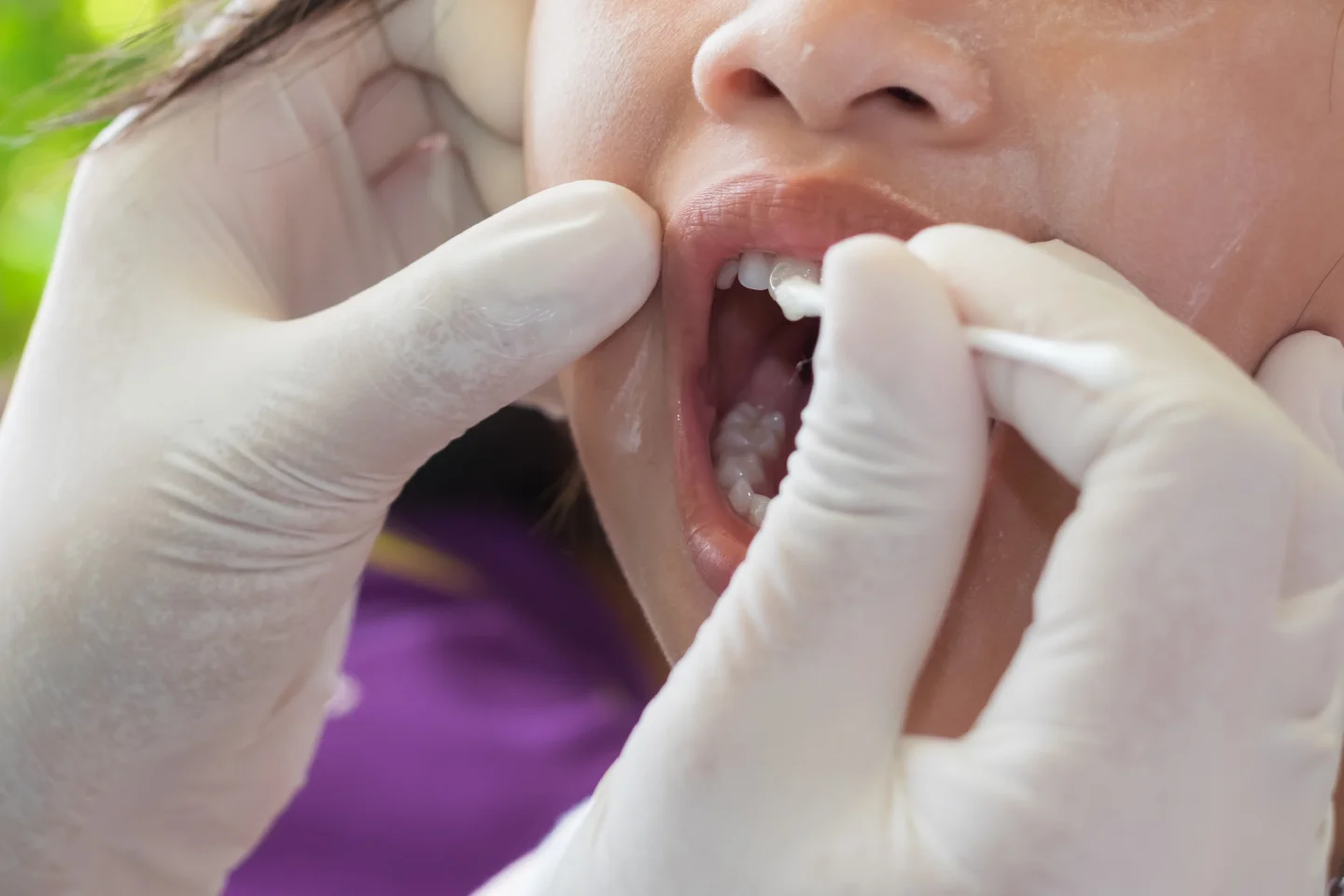
Dentists apply fluoride treatments for kids in carefully measured amounts, using gels, foams, or varnishes designed to stay put on the tooth surface instead of getting swallowed in large quantities. It's a controlled, professional process. Not a guessing game.
Why Adults Still Benefit from Fluoride
Adults aren't off the hook here. Enamel wears down over time from grinding, acidic foods and drinks, receding gums that expose root surfaces, or dry mouth from medications. Root surfaces especially are more prone to decay, and they don't have the same enamel armor that the crown of the tooth does.
If you've got a history of frequent cavities, dry mouth, gum recession, or you're going through orthodontic treatment, fluoride can help you just as much as it helps a kid. It's not a childhood-only tool. It's a preventive option for anyone whose enamel needs backup.
How Fluoride Treatments Are Kept Safe in a Dental Setting
Here's the thing about professional treatments versus unsupervised fluoride exposure: dosage control. When you get a fluoride treatment at a dental office, the amount applied is based on your age, your risk factors, and your oral health history. It goes directly onto your teeth, sits there for a short period, and then you're told to skip eating or drinking for a bit so it can absorb properly.
That's a world apart from swallowing fluoride toothpaste regularly or picking up inconsistent exposure from random sources. Professional treatments are a single, monitored application, not a daily unmonitored habit. That distinction is a big part of why the safety record is so solid.
Weighing Fluoride Against the Alternative
It helps to think about this as risk versus benefit, not "fluoride treatment equals risk" in isolation. The alternative to fluoride isn't zero risk. It's a much higher chance of cavities, which can snowball into fillings, root canals, or even extractions down the line. Cavities aren't just a cosmetic inconvenience. Left alone, they cause pain, infection, and more invasive work later.
When you weigh a brief, professionally measured fluoride application against the long-term consequences of decay you could've prevented, the value gets pretty clear. That's exactly why national dental and health organizations keep backing it as part of routine preventive care.
What This Means for Patients Near North Quincy, MA
At Spring Dental, we know you want transparency, not just a reassuring pat on the back. When you come in for a checkup, we'll explain exactly why we're recommending a fluoride treatment, based on your enamel, your cavity history, your specific risk factors. Not because it's some blanket, one-size-fits-all step we tack onto every visit. Whether you're bringing in a child for their first few visits or you're an adult dealing with dry mouth or worn enamel, the goal stays the same: give your teeth what they actually need, and nothing they don't.
Ready to Get Started?
Got questions about whether a fluoride treatment makes sense for you or your child? Our team at Spring Dental is happy to walk you through it at your next visit. We serve patients near North Quincy, MA, and we believe informed patients make better decisions about their own oral health. Schedule an appointment with us and let's talk through what your smile actually needs.
FAQs
Q. Are fluoride treatments safe for young children?
Yes. Fluoride treatments for children are measured based on age and applied in small, controlled amounts by trained dental professionals. That's very different from unsupervised fluoride exposure at home.
Q. Can too much fluoride be harmful?
Excessive fluoride exposure over long periods, particularly in children under 8, can lead to fluorosis, which affects the look of enamel but not how it functions. Professional treatments are dosed specifically to avoid this.
Q. Do adults really need fluoride treatments?
Many adults benefit from fluoride, especially those with dry mouth, gum recession, a history of cavities, or ongoing orthodontic treatment. It's not just a kid thing.
Q. How often should fluoride treatments be done?
Depends on your risk factors. Some people benefit from fluoride at every routine visit, others need it less often. Your dentist can map out a schedule based on your oral health.
Q. Is fluoride in tap water the same as a professional treatment?
No. Tap water fluoridation gives you a low, steady level of exposure. A professional treatment is a concentrated, single application built to strengthen enamel more directly.
Q. Will a fluoride treatment hurt or cause discomfort?
No. It's quick and painless, usually just a gel, foam, or varnish placed directly on your teeth for a short period.
Visit Our Clinics
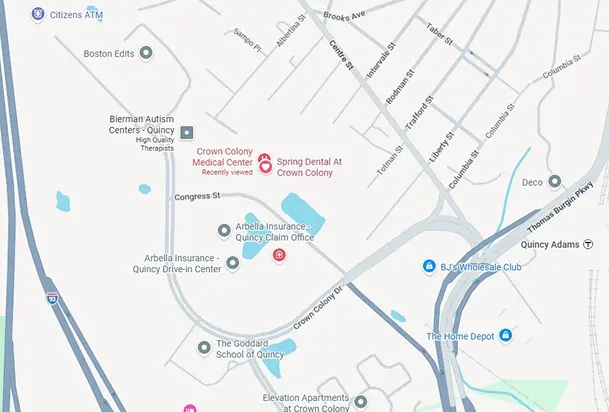
Choose your nearest clinic location.

Available Days: Tuesday, Wednesday, Friday, and Saturday
Phone Number: 617-328-0790
Available Days: Monday & Thursday
Phone Number: 617-984-0044



Overview
Services
Support
Privacy Policy | © 2026 Spring Dental | All Rights Reserved | Digital Marketing by Remedo