
Think You Brush Well? 5 Mistakes You’re Probably Making Every Day
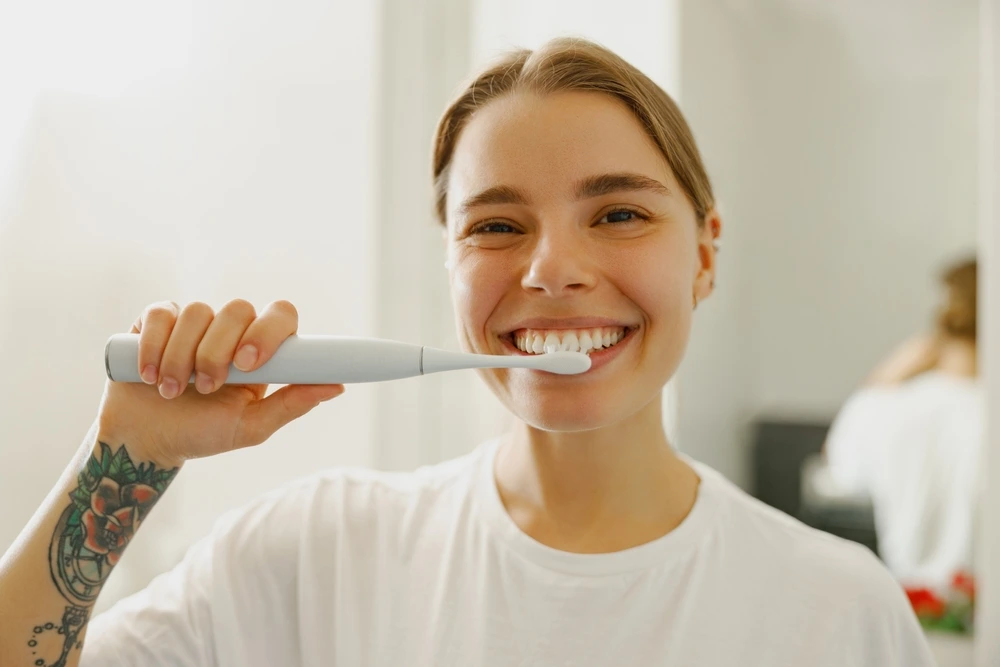
Most of us have been brushing our teeth since we were toddlers, so it’s easy to assume we’re doing it correctly. After all, how complicated can brushing be, right? The truth is, even the most diligent brushers often make small mistakes that can lead to tooth decay, gum problems, and enamel wear over time.
At Spring Dental, we’ve seen countless patients with oral health issues that could have been avoided with a few simple brushing adjustments. Let’s explore the most common brushing mistakes you might be making—and how to fix them to keep your smile healthy and bright.
1. Brushing Too Hard — Thinking Pressure Means Clean
One of the biggest misconceptions about brushing is that the harder you scrub, the cleaner your teeth get. In reality, brushing with too much pressure can do more harm than good.
Why it’s a problem:
- Excessive force wears down tooth enamel, which is your natural protective barrier.
- It can cause gum recession, leading to sensitivity and exposed roots.
- Hard brushing may even damage dental restorations or veneers.
How to fix it:
- Use a soft-bristled toothbrush. It’s gentle but effective.
- Think of brushing as a massage for your gums, not a scrub.
- Electric toothbrushes with pressure sensors can help you maintain the right touch.
2. Not Brushing Long Enough — The 30-Second Mistake
Many people rush through brushing, spending less than a minute on their teeth. Unfortunately, that’s not nearly enough time to remove plaque effectively.
Why it’s a problem:
Plaque starts forming within hours after eating, and if not properly removed, it can harden into tartar—a major cause of gum disease and cavities.
How to fix it:
- Brush for at least two minutes, twice a day.
- Divide your mouth into four sections and spend 30 seconds on each.
- Use a timer or play a two-minute song to make sure you’re brushing long enough.
At Spring Dental, our hygienists often recommend electric toothbrushes with built-in timers to make this easy and consistent.
3. Ignoring the Gumline and Tongue
Focusing only on the visible parts of your teeth means missing two critical areas: the gumline and your tongue.
Why it’s a problem:
- Plaque builds up along the gumline, which can lead to gingivitis and bad breath.
- Bacteria on the tongue are one of the main causes of chronic halitosis.
How to fix it:
- Angle your toothbrush at a 45-degree angle toward the gums.
- Use gentle circular motions along the gumline.
- Clean your tongue with a tongue scraper or your toothbrush every time you brush.
These small steps can drastically improve your overall oral hygiene and breath freshness.
4. Using the Wrong Toothbrush or Not Replacing It Often Enough
Your toothbrush has a limited lifespan—and using the wrong one can make brushing ineffective.
Why it’s a problem:
- Worn-out bristles can’t clean between teeth or reach tight spaces.
- Frayed brushes may irritate gums instead of cleaning them.
- A brush that’s too big or too small for your mouth can miss key areas.
How to fix it:
- Replace your toothbrush every 3 months (or sooner if the bristles are frayed).
- Choose a soft-bristled brush with a head size that fits comfortably in your mouth.
- If you’ve been sick, replace your toothbrush immediately to prevent reinfection.
Your Spring Dental hygienist can help recommend the right brush type for your teeth and gums—especially if you have sensitive areas or braces.
5. Forgetting to Floss and Rinse — Brushing Alone Isn’t Enough
Even perfect brushing can’t reach the tight spaces between teeth or remove all bacteria from your mouth.
Why it’s a problem:
Skipping flossing and rinsing means plaque and food particles stay trapped, feeding bacteria and causing decay and gum inflammation.
How to fix it:
- Floss at least once a day, ideally before bedtime.
- Follow brushing and flossing with an antibacterial mouthwash to kill leftover bacteria.
- If flossing is difficult, try interdental brushes or water flossers for easier cleaning.
A complete routine—brush, floss, rinse—is your best defense against long-term dental problems.
Bonus Tip: Brushing at the Right Times
Brushing right after meals might seem like a good idea, but doing so too soon—especially after acidic foods or drinks—can actually damage your enamel.
Pro tip: Wait 30 minutes after eating or drinking before brushing. This gives your saliva time to neutralize acids and protect your enamel from erosion.
Healthy Brushing = A Healthy Smile
Good brushing isn’t about how often you do it—it’s about doing it the right way. By fixing these common mistakes, you can dramatically improve your oral health, prevent cavities, and maintain a bright, confident smile.
At Spring Dental, our goal is to help you achieve a lifetime of healthy teeth and gums through preventive care and personalized guidance. Whether you need a professional cleaning, cavity check, or a full oral hygiene assessment, we’re here to make sure your smile stays in top shape.
Visit Spring Dental Today!
If you’re unsure whether your brushing routine is truly effective, let us help. At Spring Dental, our friendly team provides expert cleanings, brushing technique guidance, and customized dental care to keep your smile bright and healthy.
Schedule your dental checkup today and take the first step toward better oral health!
Call or visit Spring Dental to book your appointment and experience a cleaner, healthier smile today!
Visit Our Clinics
Choose your nearest clinic location.

Available Days: Tuesday, Wednesday, Friday, and Saturday
Phone Number: 617-328-0790

Available Days: Monday & Thursday
Phone Number: 617-984-0044



Overview
Services
Support
Privacy Policy | © 2026 Spring Dental | All Rights Reserved | Digital Marketing by Remedo