
Can Fluoride Treatments Reverse Early Tooth Decay?
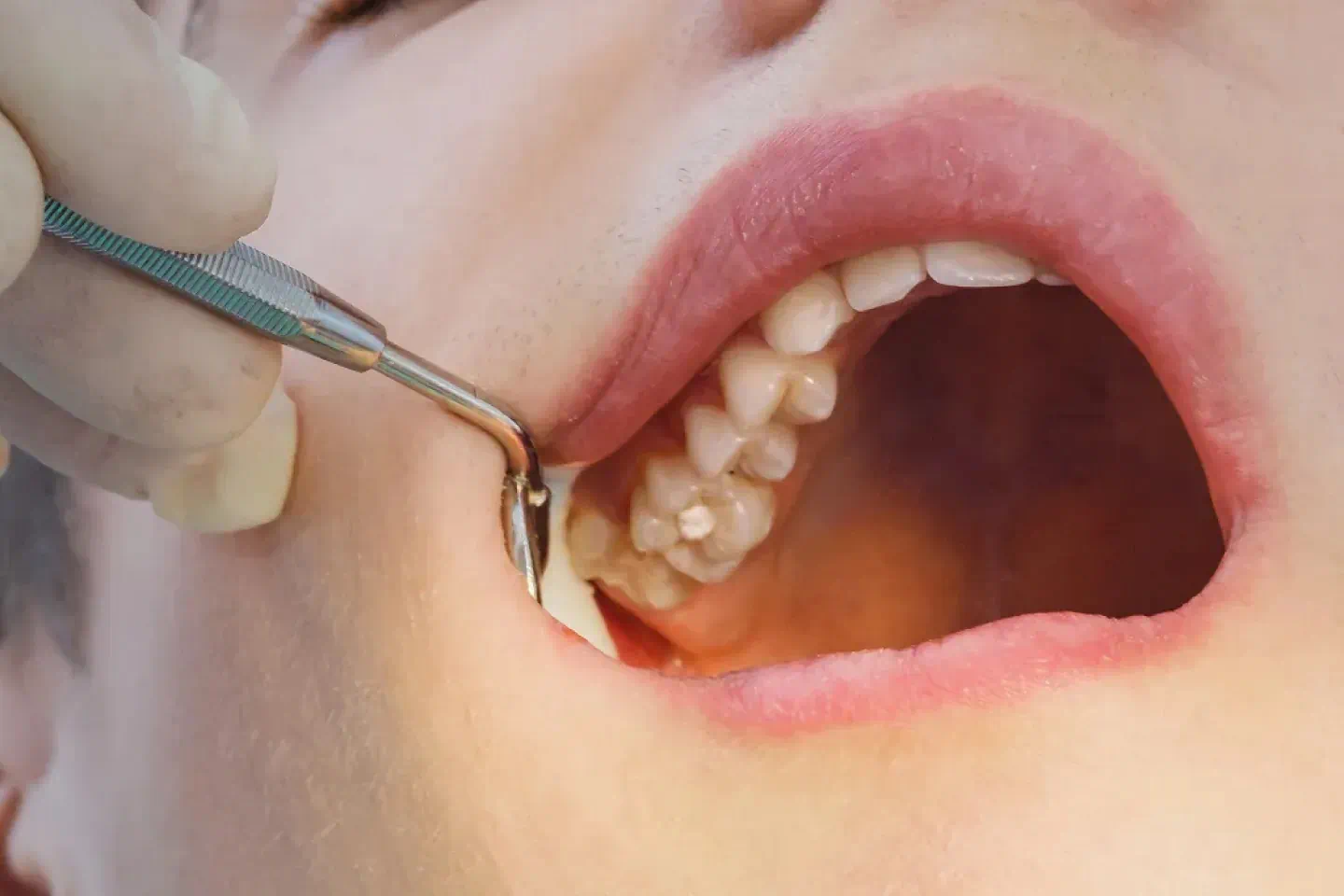
If you just left a dental checkup and heard the words "early decay" or "white spot lesion," your mind probably jumped straight to drills, needles, and a filling you weren't expecting to need. That's the most common worry patients bring up at Spring Dental. And honestly? It makes sense. Most of us grew up thinking that once a cavity starts, it's a one way road to a filling or a crown. That's not entirely accurate, though. Worth slowing down to explain why.
Truth is, tooth decay isn't an on off switch. It's a process that happens in stages. In its earliest stage, it can actually be paused or reversed without any drilling at all. Fluoride treatments are one of the main tools dentists use to do exactly that. This blog walks through what "early decay" really means, how fluoride works on it, what it can't do, and when you might need something more than a fluoride application.
What "Early Tooth Decay" Actually Means
Tooth decay doesn't begin with a hole. It begins with mineral loss in the outer layer of enamel, caused by acids that bacteria in plaque produce after you eat sugars or starches. In the early stage, this shows up as a white, chalky looking spot on the tooth, often near the gumline or between teeth. Dentists call this a white spot lesion. It's a warning sign, not a finished cavity.
At this stage, the enamel surface is still intact. No cavitation. No actual break or hole in the tooth structure. This matters a lot, because it's the difference between a tooth that can heal itself (with a little help) and one that needs a restoration.
Once the lesion progresses past this point and the enamel surface actually breaks down, it becomes a true cavity. At that stage, fluoride alone can't rebuild the missing structure. A filling becomes necessary.
Why This Window Matters
The early, non cavitated stage is really the only window where reversal is possible. That's why routine checkups matter so much. Catching a white spot lesion early gives your dentist options that simply aren't available once decay has advanced further.
How Fluoride Treatments Work on Early Decay
Fluoride helps in a few specific ways. Understanding the mechanism makes it easier to trust the process.
First, fluoride encourages remineralization. Saliva naturally contains calcium and phosphate, and fluoride helps pull these minerals back into the weakened enamel, rebuilding its structure at a microscopic level. Second, fluoride makes the enamel more resistant to future acid attacks by forming fluorapatite, a mineral structure that's tougher than the original enamel it replaces. Third, fluoride can slow down or interfere with the bacteria responsible for producing the acid in the first place.
Put simply, fluoride doesn't just sit on the surface. It promotes remineralization of weakened enamel. That combination (repair plus prevention) is what makes it useful specifically for early lesions.
Professional Fluoride vs. Over the Counter Fluoride
Toothpaste and mouth rinses you buy at the store contain fluoride, and they do help maintain enamel strength over time. But professional fluoride treatments, like the ones applied during a visit to Spring Dental, contain a significantly higher concentration of fluoride. This higher concentration is what allows for a more noticeable remineralizing effect on an existing white spot lesion, rather than just general maintenance.
Professional treatments are typically applied as a varnish, gel, or foam, and they're paired with an evaluation of the lesion so your dentist can track whether it's improving over time.
What Fluoride Treatments Cannot Do
This is the part that gets skipped over a lot. It shouldn't be. Setting realistic expectations matters.
Fluoride cannot rebuild a tooth once there's an actual cavity, meaning once the enamel surface has physically broken down. At that point, the structure is gone, not just demineralized, and no amount of fluoride will regenerate missing tooth material. This is why a dentist will always confirm, usually with a visual exam and sometimes an x-ray, whether a spot is truly non cavitated before recommending fluoride as the primary treatment.
Fluoride also isn't a replacement for daily brushing, flossing, and reducing sugar intake. It works alongside those habits, not instead of them. If the same conditions that caused the white spot lesion continue unchecked, like frequent snacking on sugary foods or inconsistent brushing, the lesion can progress despite fluoride treatment.
What the Process Typically Looks Like
When a patient at Spring Dental has an early lesion, the approach usually includes a few steps. First, a clinical exam confirms the lesion is non cavitated. Then a professional fluoride treatment is applied in office, and the patient is often given specific instructions for at home fluoride use, like a prescription strength toothpaste. Follow up visits let the dentist monitor the spot and confirm whether remineralization is happening as expected.
This isn't an overnight fix. Easier said than done, honestly. Remineralization happens gradually, often over weeks or months, which is another reason consistent oral hygiene habits during this period make a real difference in the outcome.
Other Factors That Influence Results
Diet, saliva flow, oral hygiene consistency, and even certain medications that reduce saliva production can all affect how well a lesion responds to fluoride. Dry mouth, for example, reduces the natural remineralizing minerals available in saliva, which can slow progress. This is why your dentist may ask about your medical history and habits, not just look at the tooth itself.
Why Regular Checkups Matter for Catching Decay Early
White spot lesions can be subtle, especially between teeth or near the gumline. So they're often caught during routine dental visits rather than noticed by patients at home. This is one of the more practical reasons consistent checkups matter, beyond just cleanings. Patients near North Quincy, MA, who keep up with regular visits at Spring Dental are more likely to have early lesions identified while fluoride treatment is still a realistic option.
Ready to Get Started?
If you've noticed a chalky white spot on a tooth, or your dentist has mentioned early decay during a past visit, it's worth having it evaluated sooner rather than later. The team at Spring Dental, serving patients in and around North Quincy, MA, can assess whether a lesion is still in the reversible stage and walk you through a fluoride treatment plan suited to your situation. Reach out to schedule a checkup and get a clear picture of where things stand with your enamel health.
FAQs
Q. How long does it take for fluoride to reverse early tooth decay?
A. It varies from patient to patient, but remineralization is generally a gradual process that can take several weeks to a few months, along with consistent oral hygiene at home.
Q. Will fluoride treatment hurt or feel uncomfortable?
A. No. A professional fluoride application is typically quick, painless, and involves a varnish, gel, or foam being applied directly to the teeth.
Q. Can adults get fluoride treatments, or is this just for kids?
A. Fluoride treatments are appropriate for adults as well as children, especially when early decay or high cavity risk is identified.
Q. How do I know if my white spot is a cavity or still early stage decay?
A. Only a dental exam, and sometimes an x-ray, can confirm whether the enamel surface is intact or already broken down. Not something you can accurately judge on your own.
Q. Is fluoride treatment covered by dental insurance?
A. Coverage varies by plan, so it's a good idea to check with your insurance provider or ask our team at Spring Dental about your specific benefits.
Visit Our Clinics
Choose your nearest clinic location.
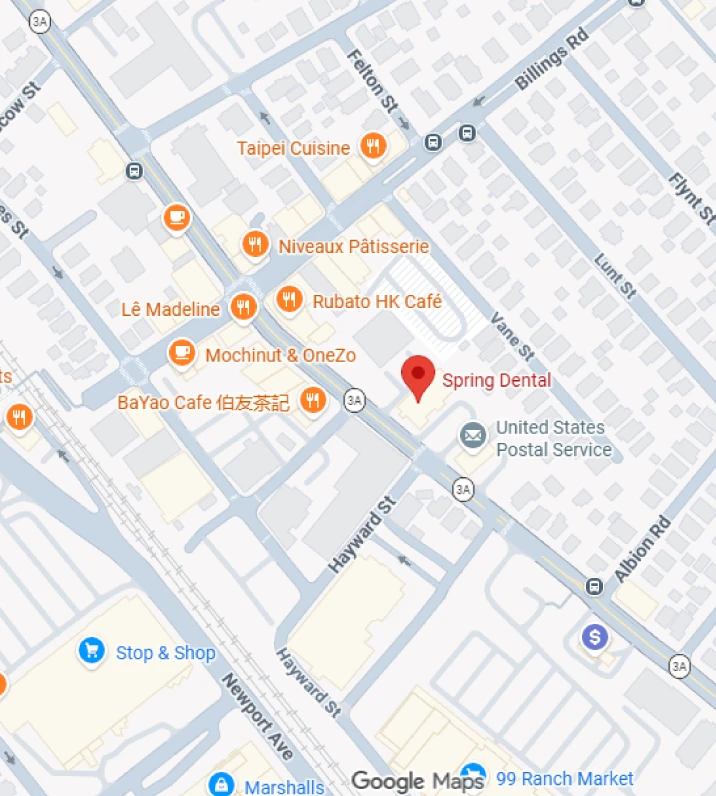
Available Days: Tuesday, Wednesday, Friday, and Saturday
Phone Number: 617-328-0790
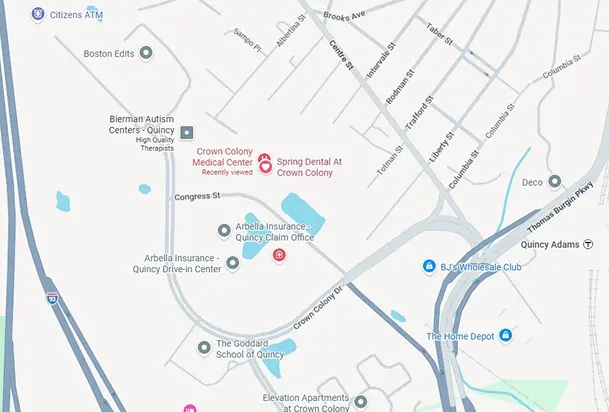
Available Days: Monday & Thursday
Phone Number: 617-984-0044



Overview
Services
Support
Privacy Policy | © 2026 Spring Dental | All Rights Reserved | Digital Marketing by Remedo