
What Causes TMJ Disorders and How Are They Treated Locally in North Quincy, MA?

If you have ever woken up with a dull, aching pain in your jaw, struggled to chew your favorite food, or noticed an unsettling clicking sound when you open your mouth, you are far from alone. Millions of people live with these uncomfortable symptoms every day, often without realizing that their discomfort stems from a highly complex pair of joints right next to their ears.
Your temporomandibular joints, commonly referred to as TMJ, are the mechanical hinges that connect your lower jawbone to your skull. When these joints or the complex network of muscles surrounding them become inflamed, misaligned, or strained, it results in a condition known as a TMJ disorder. Living with chronic jaw pain can drastically lower your quality of life, turning simple daily habits like speaking, laughing, and eating into a stressful chore.
Fortunately, relief is much closer than you think. If you are searching for effective solutions to manage your discomfort, specialized care is available close to home. Partnering with an experienced dental clinic in North Quincy, MA, such as Spring Dental, allows you to uncover the root cause of your pain and access customized therapies designed to restore balance and harmony to your smile.
Understanding the Mechanics: What is the TMJ?
To appreciate why a TMJ disorder develops, it helps to understand how these fascinating joints function. Your temporomandibular joints are among the hardest working joints in your entire body. They move thousands of times a day, allowing your jaw to move smoothly up and down, side to side, and forward and backward.
To ensure this movement is fluid and painless, a tiny, shock absorbing cartilage disc sits between the jawbone and the skull. This disc prevents the bones from rubbing directly against one another. When the joint is healthy, this complex system of bone, cartilage, and muscle operates flawlessly. However, because it relies on such a delicate balance, even a minor disruption to the alignment or structural integrity of the joint can cause the entire system to break down.
Common Causes and Triggers of TMJ Disorders
TMJ disorders are rarely caused by a single, isolated problem. In most cases, they develop due to a combination of physical, structural, and lifestyle factors. Identifying the exact catalyst behind your discomfort is the first step toward finding a long term solution.
Chronic Teeth Grinding and Clenching (Bruxism)
One of the most frequent causes of jaw joint strain is bruxism, which is the subconscious habit of grinding or clenching your teeth. Many people do this at night while they sleep, completely unaware of the massive pressure they are placing on their oral anatomy. Nocturnal grinding places an incredible amount of stress directly onto the temporomandibular joints, exhausting the surrounding facial muscles and leading to severe morning soreness.
Physical Trauma and Jaw Injuries
A direct blow to the face, a sports injury, or a whiplash accident can instantly damage the delicate structures of the jaw. This physical trauma can displace the protective cartilage disc, fracture the surrounding bone, or cause deep muscle tearing, resulting in persistent, long term TMJ complications.
Stress and Muscle Tension
Mental stress manifest physically in many ways, and one of the most common responses is holding tension in the neck, shoulders, and jaw. When you are chronically stressed, you may unconsciously hold your teeth together tightly throughout the day, forcing your jaw muscles into a constant state of contraction. Over time, this lack of relaxation leads to painful muscle spasms and localized joint fatigue.
Arthritis and Structural Displacements
Just like your knees, hips, or fingers, your jaw joints can be compromised by arthritis. Both osteoarthritis and rheumatoid arthritis can wear down the protective cartilage over time, causing painful friction within the joint socket. Additionally, structural issues like a severely misaligned bite or poorly fitting dental work can throw off your jaw mechanics, forcing the joint to work extra hard to compensate.
Identifying the Signs: Do You Have a TMJ Disorder?
Because the symptoms of a TMJ disorder can overlap with other health concerns, like ear infections or tension headaches, it can sometimes be tricky to diagnose on your own. Keep an eye out for these classic warning signs:
- Persistent pain or tenderness in your jaw, face, neck, or shoulders
- A noticeable clicking, popping, or grating sound when you open or close your mouth
- Feeling like your jaw is locking or catching, making it difficult to open your mouth wide
- Chronic, dull headaches that originate near the temples or behind the eyes
- An uncomfortable, sudden change in your bite, where your upper and lower teeth no longer seem to fit together correctly
Personalized TMJ Treatments at Your Dental Clinic in North Quincy, MA
If you are dealing with any of these disruptive symptoms, you do not have to simply live with the pain. At Spring Dental, a premier dental clinic in North Quincy, MA, our professional team provides comprehensive, personalized care to help patients find lasting relief from jaw discomfort.
Comprehensive Diagnostics and Examination
Effective treatment always begins with an accurate diagnosis. When you visit our modern facility, your provider will carefully evaluate your jaw movement, listen for clicking or popping sounds, and gently palpate your facial muscles to locate the exact points of tenderness. We may also take digital X-rays or high-resolution imaging to assess the physical alignment of the joints and check the condition of the surrounding bone.
Custom Nightguards and Oral Splint Therapy
For many patients, especially those dealing with overnight bruxism, a custom nightguard is the most effective first line of defense. Unlike generic, over-the-counter mouthguards that can feel bulky and shift out of place, a custom oral splint is fabricated from precise impressions of your unique teeth. This durable appliance fits perfectly over your teeth, acting as a protective barrier that absorbs the forces of grinding and gently repositions your jaw into a relaxed, natural alignment.
Targeted Behavioral and Lifestyle Therapy
We believe in treating the whole person, not just the physical symptoms. Our team works closely with you to identify lifestyle habits that might be contributing to your jaw strain. We can guide you through gentle jaw stretching exercises, recommend temporary dietary adjustments like eating soft foods, and discuss effective stress management techniques to help you unlearn subconscious clenching habits.
Advanced Restorative Care
If your TMJ disorder is aggravated by a misaligned bite, missing teeth, or old, worn down dental work, structural adjustments may be required. By replacing missing teeth, placing custom crowns, or subtly adjusting how your teeth meet, we can distribute your biting forces evenly, taking the unnecessary burden off your tired jaw joints.
Ready to Find Lasting Relief from Jaw Pain?
You do not have to let chronic jaw discomfort dictate your daily life. If you are looking for an experienced, compassionate dental clinic in North Quincy, MA, the team at Spring Dental is here to help you regain your comfort and peace of mind. We take the time to listen to your unique concerns and craft a personalized treatment plan that brings your smile back into perfect harmony. Contact our friendly office today to schedule your consultation and take your first step toward a pain free life.
Frequently Asked Questions
Can a TMJ disorder go away on its own?
In very mild cases brought on by temporary stress or a minor muscle strain, TMJ symptoms can resolve on their own with rest, a soft food diet, and warm compresses. However, if your pain is caused by structural issues like arthritis, a misaligned bite, or chronic nighttime grinding, the condition will likely persist or worsen over time without professional intervention.
How do I know if my headache is actually a TMJ headache?
TMJ headaches are often mistaken for tension headaches or migraines. A key differentiator is that TMJ headaches are frequently accompanied by facial soreness, a tight jaw, clicking sounds, or localized pain right in front of your ear. These headaches also tend to be most severe in the morning if you grind your teeth at night.
Is TMJ treatment painful?
Not at all. The goal of TMJ treatment is to completely alleviate your pain and restore comfort. Initial therapies like custom nightguards, stretching exercises, and lifestyle modifications are non invasive and gentle. Our team focuses on conservative, soothing treatments to give your jaw the rest it desperately needs.
When should I see a dentist for jaw pain?
You should schedule an evaluation if your jaw pain is persistent, interferes with your ability to chew or speak, or is accompanied by regular headaches. Additionally, if your jaw ever feels stuck, locked, or makes it painful to open your mouth, you should book an appointment promptly to prevent further joint damage.
Visit Our Clinics
Choose your nearest clinic location.
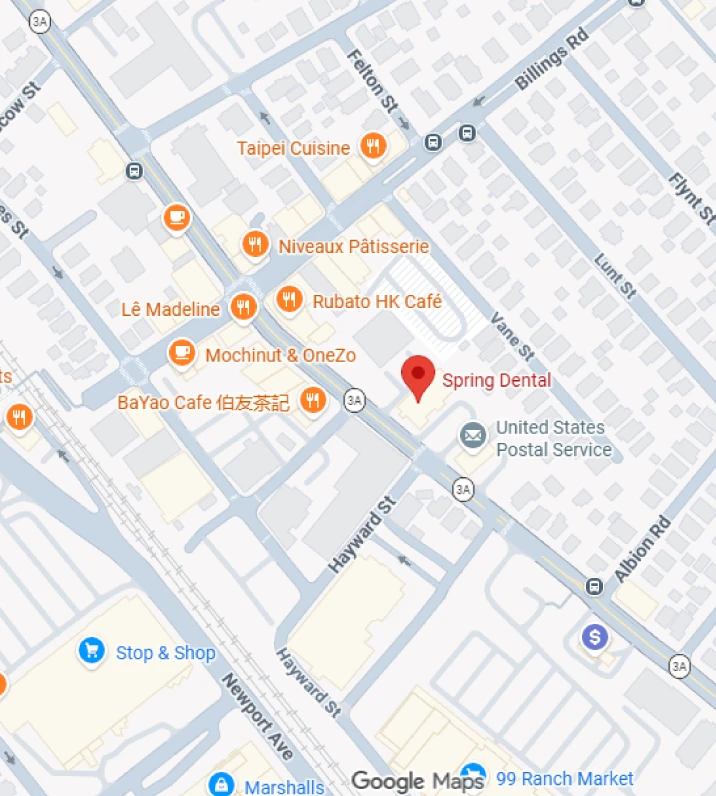
Available Days: Tuesday, Wednesday, Friday, and Saturday
Phone Number: 617-328-0790
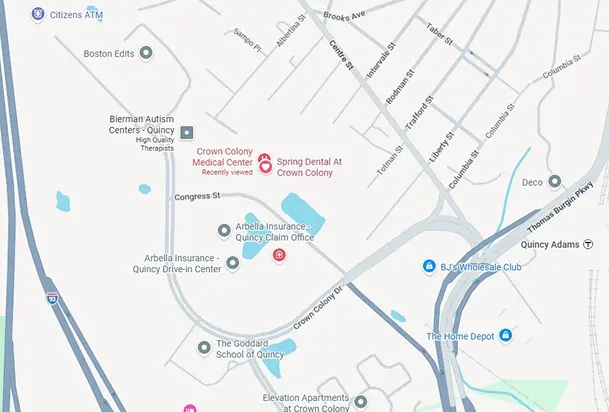
Available Days: Monday & Thursday
Phone Number: 617-984-0044



Overview
Services
Support
Privacy Policy | © 2026 Spring Dental | All Rights Reserved | Digital Marketing by Remedo