
Are Clear Aligners Better Than Braces for Adults?
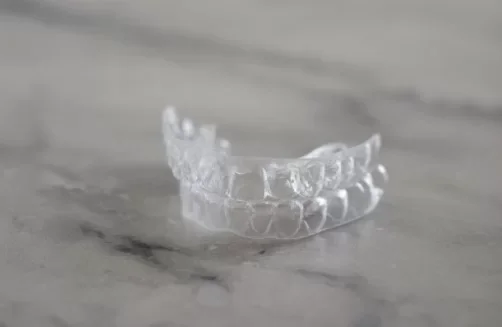
Adults often have a different set of priorities when considering orthodontic treatment.
You may want straighter teeth but hesitate at the thought of wearing traditional braces at work. You may have had braces as a teenager and noticed your teeth shift over the years. Or perhaps you simply want to improve your smile without drawing attention to the fact that you are undergoing orthodontic treatment.
That is where clear aligners can be appealing.
But are they actually better than braces for adults?
The answer depends on your specific orthodontic needs. Clear aligners offer advantages that can make them particularly convenient for adults, but traditional braces remain an excellent treatment option for many cases.
Why Adults Choose Clear Aligners
A More Discreet Appearance
One of the most obvious advantages is appearance.
Clear aligners are designed to be much less noticeable than traditional metal braces. For adults who interact with clients, teach, attend meetings, or simply prefer a subtle treatment option, that difference can be important.
You can straighten your teeth without having brackets and wires prominently visible every time you smile.
Removability Can Fit an Adult Lifestyle
Adults often have established eating and oral hygiene routines.
Because clear aligners can be removed, you do not have to change your diet in the same way you might with fixed braces.
You can take the aligners out for meals and then brush and floss before putting them back in.
That flexibility can make orthodontic treatment easier to incorporate into a busy schedule.
Oral Hygiene May Feel More Familiar
Cleaning around braces requires extra attention because brackets and wires can create areas where food and plaque collect.
With clear aligners, you remove the trays and brush your teeth normally.
You still need to clean your aligners and maintain good oral hygiene, but you do not have to work around fixed brackets.
Clear Aligners Are Not Automatically Better
Convenience does not make aligners the right choice for everyone.
Traditional braces can provide precise control over tooth movement and are often used for cases that may be difficult to manage with clear aligners.
Your dentist needs to determine whether your teeth and bite can be predictably treated with removable trays.
Compliance Is a Major Difference
With traditional braces, the appliance stays attached to your teeth.
Clear aligners depend on you wearing them as directed.
This can be an advantage if you value flexibility, but it also means you have more responsibility.
If you frequently remove your aligners or forget to put them back in, treatment may take longer than expected.
Which Adults May Prefer Braces?
Some adults actually prefer traditional braces because they do not have to remember to wear them.
Braces remain in place throughout treatment, so there is no decision about whether to put them in before heading to work or going to dinner.
Adults with more complex orthodontic problems may also be advised to use braces if they offer better control for the movements required.
What About Appearance With Braces?
Modern braces are not limited to the traditional metal look.
Depending on your treatment plan, options may include tooth-colored or ceramic brackets.
These can be less noticeable than traditional metal braces while still providing fixed orthodontic treatment.
What About Cost?
The cost of orthodontic treatment varies based on complexity, treatment length, provider fees, and other factors.
It is not safe to assume that clear aligners will always cost more or less than braces.
Ask for a detailed estimate that includes the entire treatment process rather than comparing only the initial price.
Adults Should Also Consider Their Oral Health
Before starting orthodontic treatment, your teeth and gums should be in good condition.
Existing cavities, gum disease, or other dental problems may need to be addressed first.
Moving teeth while active dental disease is present can create unnecessary complications.
A comprehensive evaluation at a dental clinic in North Quincy, MA can help determine whether you are ready for orthodontic treatment.
Which Option Fits Your Routine?
Think honestly about your habits.
If you are organized, motivated, and comfortable remembering to wear removable trays, clear aligners may fit your lifestyle well.
If you would rather have an appliance that stays in place and does not require daily decisions, braces may be more convenient.
There is no prize for choosing the more modern-looking option if it does not fit your routine.
Discuss Adult Orthodontics With Spring Dental
If you have been putting off orthodontic treatment because you do not want traditional braces, clear aligners may be worth discussing. Spring Dental can evaluate your smile and compare your available options.
Schedule a consultation at Spring Dental, your dental clinic in North Quincy, MA, to find out whether clear aligners or braces are better suited to your smile.
FAQs About Adult Clear Aligners and Braces
Are clear aligners better than braces for adults?
Not necessarily. Clear aligners can offer greater discretion and removability, while braces may be better for certain complex movements. Your orthodontic needs should determine the choice.
Can adults still get braces?
Yes. Orthodontic treatment is not limited to teenagers. Many adults successfully undergo treatment with braces or clear aligners.
Are clear aligners more comfortable than braces?
Clear aligners do not have brackets and wires that can rub against the cheeks and lips. However, aligners can still cause temporary pressure as teeth move.
Can I eat normally with clear aligners?
Aligners are generally removed for meals, allowing you to eat without the dietary restrictions associated with some fixed braces.
Do clear aligners require more responsibility?
Yes. Because they are removable, you need to wear them consistently and remember to put them back in after eating and cleaning your teeth.
Are braces faster than clear aligners?
Treatment time varies by case. Neither option is universally faster. The complexity of your orthodontic problem and your response to treatment affect the timeline.
Can adults with crowded teeth use clear aligners?
Many adults with certain types of crowding can be treated with clear aligners. A professional evaluation is needed to determine whether your specific case qualifies.
Should I choose aligners just because they are less visible?
Appearance is one factor, but it should not be the only one. Your dentist should first determine which treatment can provide an appropriate result for your teeth and bite.
Visit Our Clinics
Choose your nearest clinic location.

Available Days: Tuesday, Wednesday, Friday, and Saturday
Phone Number: 617-328-0790

Available Days: Monday & Thursday
Phone Number: 617-984-0044


Overview
Services
Support
Privacy Policy | © 2026 Spring Dental | All Rights Reserved | Digital Marketing by Remedo