
What Are the Most Common Dental Emergencies? A Guide to Handling Quick Crises
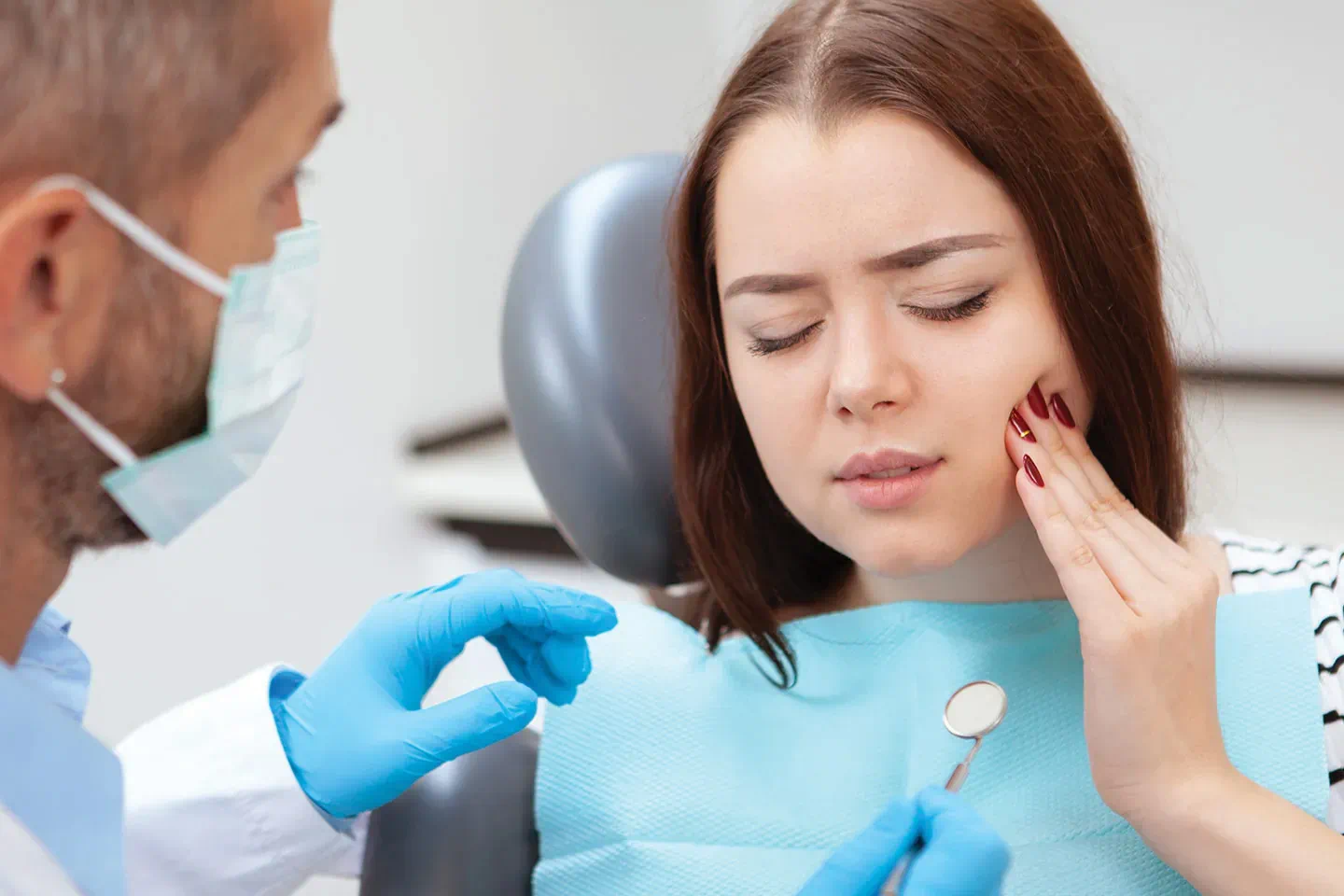
Life moves fast, and unexpected accidents happen when you least look for them. One minute you are enjoying dinner with your family or playing a pickup game of basketball, and the next you hear a terrible crunch or feel a sharp, shooting pain in your jaw. Dental crises always seem to strike at the worst possible times: late on a Friday night, during a holiday weekend, or right before an important work presentation.
When a dental emergency occurs, it is completely normal to feel a sudden wave of panic. The pain can be overwhelming, and not knowing what to do can make the situation feel much worse than it is. However, staying calm and taking the right steps can mean the difference between saving and losing your natural tooth.
Knowing how to identify a true dental emergency and understanding basic first aid for your mouth can give you back a sense of control. At Spring Dental, we understand how scary these moments can be, and we are always here to help you get through them with speed, safety, and compassion. Let let us look at the most common dental emergencies and exactly how you should handle them.
Recognizing True Dental Emergencies vs. Urgent Care
Not every strange sensation, lost filling, or cosmetic flaw requires running out the door to find an emergency dentist in the middle of the night. Some issues are definitely urgent and need to be fixed quickly, but they can safely wait until normal office hours the next morning.
A true dental emergency is a situation that requires immediate treatment to stop continuous bleeding, alleviate agonizing pain, or save a tooth that has been structurally compromised or knocked out completely. If your issue involves swelling that makes it hard to breathe, heavy bleeding that will not stop after applying pressure, or a fever accompanied by a severe mouth infection, you need professional care right away.
On the other hand, a dull toothache that comes and goes, a minor chip on a front tooth that does not hurt, or a loose wire on a set of braces are considered urgent. They should be looked at by a dental clinic within a day or two, but they do not require a midnight trip to the clinic. Understanding this difference can save you a lot of middle of the night stress.
The Top Most Common Dental Emergencies and How to Handle Them
When things go wrong in your mouth, acting quickly is key. Here are the five most common dental crises patients experience and the best ways to manage them before you get to the dental chair.
Severe, Throbbing Toothaches
A sudden, intense toothache is the single most common reason patients look for urgent dental care. This is not a mild sensitivity to cold water; it is a deep, agonizing, throbbing pain that makes it impossible to sleep, eat, or concentrate.
A toothache of this size usually means that dental decay has broken through your hard outer enamel and reached the living pulp tissue inside your tooth. When bacteria infect this soft inner space, pressure builds up rapidly, causing intense pain.
- What to do immediately: Rinse your mouth thoroughly with warm salt water to clear away any trapped food particles. Use dental floss gently between the teeth to make sure a sharp piece of food is not causing the pressure. Take over the counter pain relievers like ibuprofen to help manage the throbbing, but never place an aspirin directly against your gums, as it can cause a painful chemical burn on your soft tissues. You will likely need a targeted treatment, such as a root canal or a protective filling, to clean out the infection.
A Knocked Out Tooth (Avulsed Tooth)
Whether it happens during a sports collision or an accidental fall, a knocked-out permanent tooth is a major medical emergency. If you act quickly, there is a very good chance a dentist can replant the tooth back into your jawbone successfully, but your window of time is small: usually under an hour.
- What to do immediately: Find the tooth immediately. Always pick it up by the chewing surface, known as the crown, and never touch the sensitive root structure at the bottom. Touching the root can destroy the delicate cells needed for the tooth to reattach to your bone. If the tooth is dirty, rinse it very gently with milk or plain water for a few seconds. Do not scrub it or wrap it in a dry tissue. If you can, try to slip the tooth back into its empty socket and bite down gently on a piece of gauze to hold it there. If it will not stay, place the tooth in a small glass of milk or hold it inside your cheek to keep it moist, and head to a dental clinic in North Quincy, MA right away.
Broken, Cracked, or Chipped Teeth
Teeth are incredibly strong, but they are not indestructible. Biting down on hard candy, ice cubes, or a piece of bone can cause a tooth to fracture. While a tiny surface chip is mostly a cosmetic issue, a deep crack that runs down into the root can cause severe pain and leave the inside of your tooth wide open to bacterial infections.
- What to do immediately: Rinse your mouth with warm water to sanitize the area. If the break left behind a sharp or jagged edge that is cutting into your tongue or cheek, cover the sharp spot with a small piece of sugarless chewing gum or temporary dental wax from a pharmacy. Collect any broken pieces of the tooth you can find and bring them with you to your appointment. A dentist can often rebuild the tooth structure using a tooth-colored composite filling or a custom porcelain dental crown to restore its strength.
Lost Fillings or Dental Crowns
Dental restorations are durable, but they can loosen over time as you chew. It often happens when you are eating something sticky like caramel or gummy candy. When a filling or dental crown pops off, the inner dentin layer of your tooth is left completely exposed to air, saliva, and food. This can cause a sudden, sharp spike in tooth sensitivity to hot and cold temperatures.
- What to do immediately: Keep the dental crown safe if it fell out in one piece. Clean the inside of the crown gently. You can purchase temporary dental cement from a local pharmacy, or even use a tiny dab of toothpaste, to place the crown back over your exposed tooth to protect it temporarily. Do not use superglue under any circumstances, as it is toxic and will ruin the tooth structure. Call your dental clinic to have the crown permanently bonded back into place before the underlying tooth suffers further decay.
Dental Abscesses and Severe Facial Swelling
A dental abscess is a serious, localized infection that forms at the root of a tooth or in the space between your teeth and gums. It often looks like a small, painful bump or pimple on your gum tissue. An abscess is highly dangerous because the infection will not stop on its own, and the bacteria can easily spread into your jawbone, neck, and blood stream.
- What to do immediately: If you notice a painful swelling on your gums accompanied by a foul taste, facial swelling, or a fever, you need to see an emergency dentist immediately. Rinse your mouth with salt water to help draw out some of the pressure, but do not try to pop the bump yourself. If facial swelling spreads to your eye or makes it difficult to breathe or swallow, bypass the dental office and go straight to the nearest hospital emergency room.
Facing a Crisis? Contact Spring Dental Right Away
When a dental emergency happens, you do not have to suffer through the pain alone or guess what the next step should be. Your health, comfort, and peace of mind are always our highest priorities. Our dedicated team provides fast, compassionate, and expert care to get your smile back on track when things go wrong. Whether you are dealing with a severe toothache, a broken tooth, or an infection, we use modern diagnostic technology and a gentle touch to relieve your pain safely. If you or a loved one is experiencing a crisis, contact our team at Spring Dental right away to see a trusted emergency dentist at our dental clinic in North Quincy, MA.
Frequently Asked Questions About Dental Emergencies
Can I go to the hospital emergency room for a toothache?
Hospital emergency rooms are great for saving lives, but they generally do not have dental chairs or specialized dental tools. If you go to an ER for a toothache, a medical doctor can give you antibiotics for an infection or pain medication to keep you comfortable, but they cannot fix the root cause of the problem. For treatments like a root canal, an extraction, or a replacement dental crown, you need to visit a dedicated dental clinic.
How can I prevent a dental emergency from happening?
While you cannot prevent every accident, you can significantly lower your risks. Always wear a custom-fitted sports mouthguard when playing contact sports like basketball, hockey, or soccer. Avoid using your teeth as tools to open plastic packaging, cut tape, or crack nuts. Finally, maintain excellent oral hygiene at home and visit your dentist twice a year to catch small cavities before they turn into severe infections.
What should I do if my child knocks out a baby tooth?
If your child knocks out a baby tooth, do not try to force it back into the gum socket. Replanting a baby tooth can accidentally damage the permanent adult tooth that is growing directly underneath the gums. Instead, place the tooth in a container and call your dentist right away so they can look at your child's mouth, ensure no broken pieces are left behind, and check if a space maintainer is needed.
Is a bleeding gum considered a dental emergency?
If your gums bleed a little bit when you brush or floss, it is usually a sign of early stage gum disease, known as gingivitis. While this requires an appointment for a thorough professional cleaning, it is not an emergency. However, if your mouth is bleeding heavily because of a physical injury or trauma, and it does not stop after applying firm pressure with a clean cloth for fifteen minutes, it is a true emergency.
Visit Our Clinics
Choose your nearest clinic location.
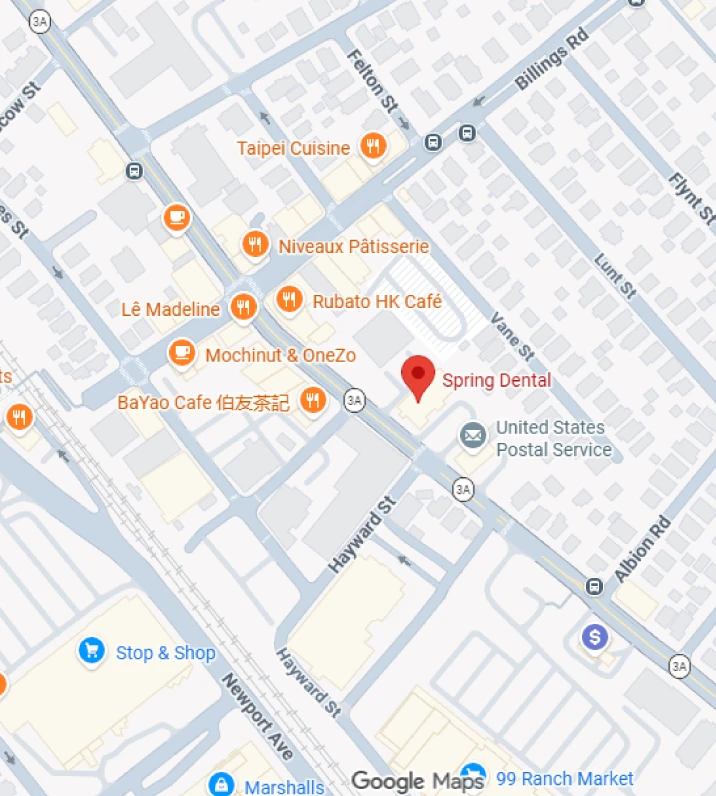
Available Days: Tuesday, Wednesday, Friday, and Saturday
Phone Number: 617-328-0790
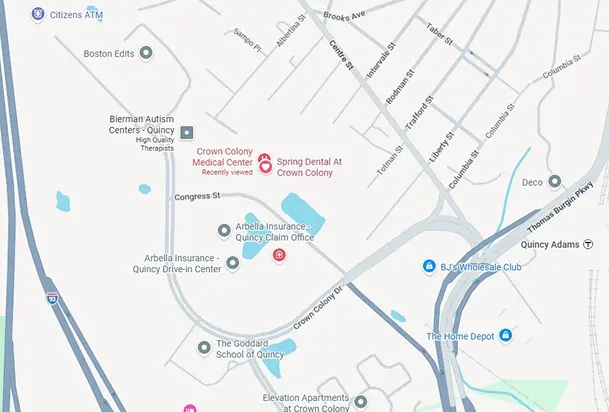
Available Days: Monday & Thursday
Phone Number: 617-984-0044



Overview
Services
Support
Privacy Policy | © 2026 Spring Dental | All Rights Reserved | Digital Marketing by Remedo