
Can You Get Dental Implants With Bone Loss?
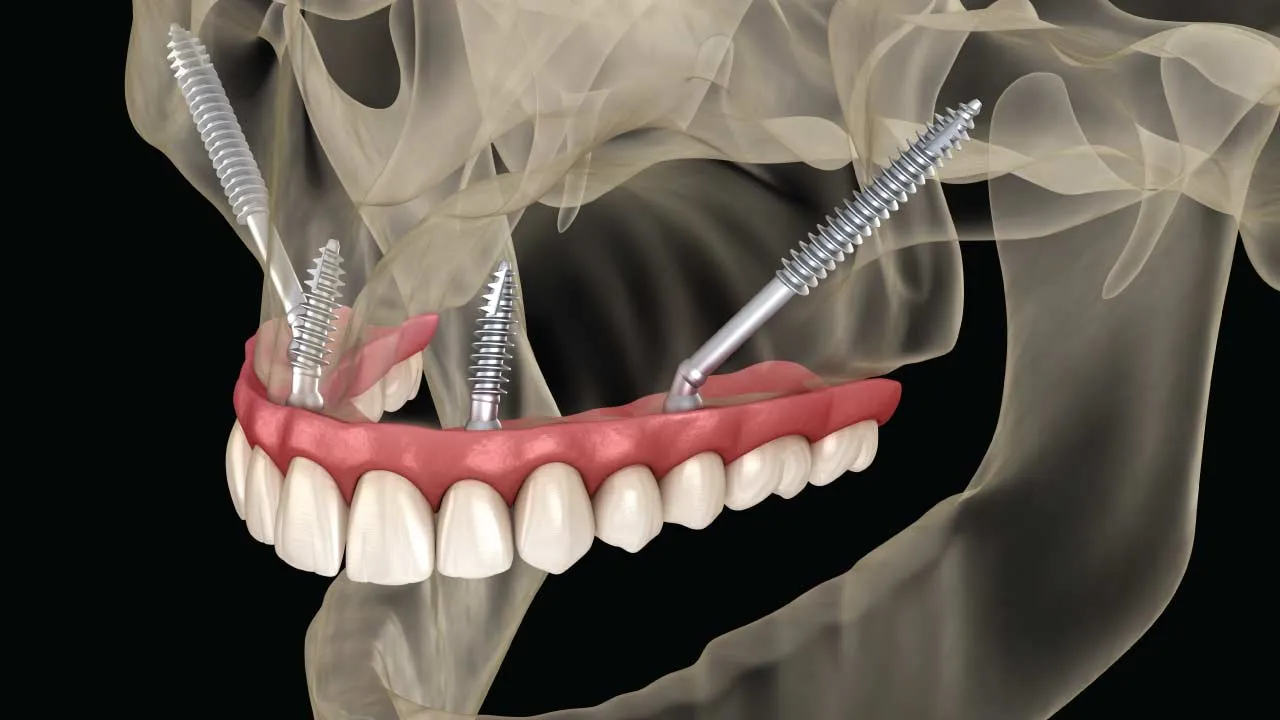
Dental implants rely on the jawbone for support. So, if you have been told that you have bone loss, you may wonder whether dental implants are still an option.
The answer is often yes.
Bone loss does not automatically mean you cannot receive dental implants. Depending on how much bone is available and where the bone has been lost, your dentist may recommend additional treatment before or during implant placement.
At Spring Dental, a dental clinic in North Quincy, MA, an evaluation can help determine whether your jawbone can adequately support a dental implant or whether bone preservation or grafting may be needed first.
Why Do You Need Bone for a Dental Implant?
A dental implant is placed into the jawbone where it functions as an artificial tooth root.
After placement, the surrounding bone gradually integrates with the implant. This creates the stability needed to support a dental crown, bridge, or other restoration.
If there is not enough healthy bone, placing an implant in the ideal position may be difficult.
Bone loss can affect both the amount and quality of available bone.
What Causes Bone Loss in the Jaw?
Several factors can contribute to jawbone loss.
Missing Teeth
One of the most common causes is tooth loss itself.
When a natural tooth is removed, the bone that once supported its root no longer receives the same stimulation. Over time, the jawbone in that area can shrink.
Gum Disease
Advanced periodontal disease can damage the tissues and bone supporting natural teeth.
If you have experienced significant gum disease, your dentist may need to evaluate your bone levels carefully before recommending dental implants.
Trauma
An injury to the mouth or jaw can sometimes result in bone loss.
Long-Term Tooth Loss
The longer a tooth has been missing, the more opportunity there may be for changes in the surrounding bone.
This does not mean implants become impossible after many years. It simply means your dentist may need to assess the available bone before developing a treatment plan.
How Do Dentists Determine Whether You Have Enough Bone?
A dental implant evaluation generally involves more than a visual examination.
Your dentist may use dental X-rays or 3D imaging to examine the jawbone and determine:
- Bone height
- Bone width
- Bone density
- Position of nearby anatomical structures
- Location of nerves and sinuses
- Ideal implant placement position
Advanced imaging can help your dentist plan implant placement more precisely.
What Is Bone Grafting?
Bone grafting is a procedure that adds bone or bone-like material to an area where additional volume is needed.
The goal is to create a stronger foundation for a dental implant.
Depending on your situation, a bone graft may be performed before implant placement, at the time of implant placement, or as part of a staged treatment plan.
Not every patient with bone loss needs a graft. The recommendation depends on the location and severity of the bone deficiency.
How Long Does Bone Grafting Take Before Dental Implants?
Healing time varies based on the type and extent of grafting performed.
Some patients may need several months for the grafted area to mature before implant placement. In other situations, implant placement may be possible at the same time.
Your dentist will explain the expected timeline after evaluating your bone and overall oral health.
Can You Get Implants With Severe Bone Loss?
Even patients with substantial bone loss may have options.
The treatment approach depends on where the bone is missing and how much is available. Additional procedures may sometimes make implant placement possible.
However, there is no universal treatment plan for bone loss. A personalized evaluation is necessary to determine what can be safely done.
Does Bone Loss Mean You Cannot Have Dental Implants?
Not necessarily.
One of the biggest misconceptions about dental implants is that bone loss automatically eliminates them as an option.
Modern implant planning allows dentists to evaluate bone availability carefully and consider procedures that may improve the foundation for an implant.
The important step is getting an evaluation rather than assuming implants are not possible.
Why Replacing a Missing Tooth Sooner May Help
When a tooth is lost, the surrounding bone can gradually change.
Replacing a tooth sooner may help preserve available bone, depending on the circumstances.
If you have already had a missing tooth for several years, you may still be able to receive an implant. Your dentist simply needs to evaluate the current condition of the jawbone.
Dental Implants and Bone Loss in North Quincy, MA
At Spring Dental, we take the time to evaluate the factors that can affect dental implant treatment.
If you are missing one or more teeth and have been told that you have bone loss, a consultation can help clarify your options. Your dentist can review your imaging, explain whether bone grafting may be appropriate, and discuss alternatives if an implant is not currently recommended.
Find Out if Dental Implants Are an Option for You
If you are searching for dental implants in North Quincy, MA, Spring Dental can help you understand your tooth replacement options. Contact our dental clinic in North Quincy, MA, to schedule an implant consultation.
FAQ
Q. Can I get dental implants if I have been missing a tooth for many years?
Possibly. Long-term tooth loss can lead to bone loss, but that does not automatically prevent implant treatment. Your dentist can evaluate your jawbone and determine whether additional treatment is needed.
Q. How do I know if I have enough bone for a dental implant?
Dental X-rays and, when appropriate, 3D imaging can help your dentist assess the height, width, and condition of your jawbone.
Q. Is bone grafting always required before dental implants?
No. Bone grafting is only recommended when additional bone is needed to support the planned implant safely and effectively.
Q. Can gum disease cause problems with dental implants?
Active gum disease can increase the risk of complications. Your dentist may recommend treating and stabilizing gum disease before proceeding with implant treatment.
Q. Does bone grafting hurt?
The area is numbed during the procedure, and your dentist will provide instructions for managing discomfort during recovery. The experience varies depending on the extent of treatment.
Visit Our Clinics
Choose your nearest clinic location.

Available Days: Tuesday, Wednesday, Friday, and Saturday
Phone Number: 617-328-0790
Available Days: Monday & Thursday
Phone Number: 617-984-0044


Overview
Services
Support
Privacy Policy | © 2026 Spring Dental | All Rights Reserved | Digital Marketing by Remedo