
What's the Difference Between Professional Fluoride Treatments and Fluoride Toothpaste?

If you've ever stood at the sink wondering whether your toothpaste is actually pulling its weight, you're not overthinking it. That's a fair question. Fluoride toothpaste and professional fluoride treatments are aiming at the same target, keeping decay off your teeth, but they get there in totally different ways. One's a daily habit. The other's a targeted, higher strength treatment your dentist applies in the chair. Once you understand how they differ, it makes a lot more sense why your dentist might still push for an in-office treatment even if you brush like clockwork every morning and night.
At Spring Dental, we hear this question a lot, especially from folks near North Quincy, MA who want a straight answer: is my home routine doing enough, or do I need something more? Let's break down the real differences so you know exactly where each one fits.
Fluoride Toothpaste vs. Professional Fluoride Treatment: The Basic Comparison
Fluoride toothpaste is a low concentration product built for frequent, everyday use. It usually contains somewhere around 1,000 to 1,500 parts per million (ppm) of fluoride, an amount that's safe to use daily for, well, your entire life.
Professional fluoride treatments are a different animal. They use a much higher concentration, often in the 5,000 to 22,500 ppm range depending on whether it's a gel, foam, or varnish. A dentist or hygienist applies these directly, and they're not something you'd ever do at home. The idea is simple: deliver a concentrated dose of fluoride in one sitting, giving your enamel a boost toothpaste just can't match.
So here's the short version. Toothpaste is about consistency and upkeep. Professional treatments are about a concentrated, targeted push when you need one.
How Each One Actually Works
Fluoride Toothpaste: Daily Maintenance
When you brush with fluoride toothpaste, fluoride ions get to work on your enamel's surface, helping remineralize weak spots and making enamel tougher against acid attacks from bacteria and food. Because you're doing this twice a day, it's the buildup over time that actually protects your teeth. Slow and steady. Not a one time fix.
Here's the catch, though. Toothpaste only sits on your teeth for the couple of minutes you're actually brushing. That's a pretty short window for fluoride to do meaningful work before you spit and rinse it all away.
Professional Fluoride Treatments: Concentrated Reinforcement
Professional treatments are applied in a way that maximizes contact time and absorption. Varnish, for example, sticks right to the tooth and keeps releasing fluoride for hours after you've left the office. That extended exposure lets it penetrate deeper into the enamel, which can help repair early decay or reinforce weak spots, think around braces, exposed roots, or teeth with thinning enamel.
Because the concentration is so much higher, this isn't a daily thing. Most people get it every three, six, or twelve months, depending on their cavity risk.
Who Actually Needs a Professional Fluoride Treatment?
Not everyone needs fluoride applied at every single visit, and honestly, that's worth asking your dentist about directly. Some people have low cavity risk and do just fine with solid brushing, flossing, and regular checkups. Others get real, direct benefit from added fluoride, including:
Children and teens with developing teeth. Their enamel is still forming, so the extra support matters.
Patients with a history of frequent cavities. If decay keeps showing up, it's worth doing more than just hoping this time is different.
People with dry mouth, whether from medication or a medical condition. Less saliva means less natural protection.
Patients with braces or other orthodontic hardware. Brackets and wires create spots that are just harder to clean.
Anyone with exposed roots or early enamel erosion.
People undergoing radiation therapy that affects the mouth.
If you land in one of these groups, a professional treatment isn't some upsell tacked onto your visit. It's a targeted response to a real risk. Your dentist in North Quincy, MA can look at your enamel and your cavity history and tell you straight whether this makes sense for you.
Can Toothpaste Alone Do the Job?
For a lot of people with average cavity risk, fluoride toothpaste plus solid habits (flossing, regular cleanings, the basics) is genuinely enough. Fluoride toothpaste isn't some watered-down version of the professional stuff. It's just built for a different job: daily upkeep, not concentrated repair.
Think of it like sunscreen versus a dermatology visit. You put on sunscreen every day for general protection, but if something specific pops up, you need an actual professional to look closer and treat it directly. Fluoride works the same layered way. Daily use covers the baseline. Professional treatment steps in when you need real reinforcement.
What Happens During a Professional Fluoride Treatment?
If your dentist recommends one, don't worry, it's quick and pretty painless. After your cleaning, a fluoride gel, foam, or varnish gets applied straight to your teeth with a brush, tray, or swab. Depending on which form they use, it might take just a few minutes to apply and set.
You'll be told to skip eating, drinking, or rinsing for about 30 minutes afterward so the fluoride has time to soak in. Most people don't feel much of anything beyond the taste or texture. No downtime, no fuss.
Are There Any Downsides to Professional Fluoride Treatments?
These treatments are considered safe when a trained professional applies the right amount. The real thing to watch is frequency. Because the concentration is so much higher than toothpaste, treatments aren't meant to replace brushing, and your dentist won't do them more often than your risk level calls for.
If you've got any known fluoride sensitivities, or concerns about a young child getting treatment, just bring it up. Your dentist can adjust dosage and frequency so the plan actually fits you, not some generic recommendation.
Bringing It All Together
Fluoride toothpaste and professional treatments aren't competing against each other. They're two parts of the same plan. Toothpaste handles the daily grind. Professional treatments step in when your enamel needs a bigger push, whether that's due to age, medical history, braces, or straight-up cavity risk.
The right combination depends on your mouth, your habits, and your specific risk factors. That's exactly why a real conversation with your dentist beats guessing which approach "covers it all."
Ready to Get Started?
Not sure if your current routine is actually protecting your teeth the way you think it is? That's worth a conversation with someone who can look at your specific risk factors instead of guessing. Spring Dental works with people throughout North Quincy, MA to figure out what actually makes sense for their mouth, not some one size fits all script. Reach out to Spring Dental to schedule an appointment and find out whether a professional fluoride treatment belongs in your care plan.
FAQs
Q. How often should I get a professional fluoride treatment?
A. Depends on your risk factors. Some people do well with treatments every six months, others need them more or less often. Your dentist will set a schedule based on your enamel condition and cavity history.
Q. Is fluoride toothpaste enough to prevent cavities on its own?
A. For a lot of people with average risk, brushing consistently with fluoride toothpaste, plus flossing and regular visits, is enough. If your risk is higher, added professional treatments can help fill the gap.
Q. Does a professional fluoride treatment hurt?
A. Not at all. It's just a gel, foam, or varnish applied to your teeth, and the whole thing takes a few minutes.
Q. Can children get professional fluoride treatments?
A. Yes. They're commonly recommended for kids, especially those with developing teeth or higher cavity risk. Your dentist will figure out the right frequency and dosage.
Q. Will I need to avoid eating after a fluoride treatment?
A. Yes. You'll want to skip eating, drinking, or rinsing for about 30 minutes afterward so the fluoride has time to properly absorb into your enamel.
Visit Our Clinics
Choose your nearest clinic location.
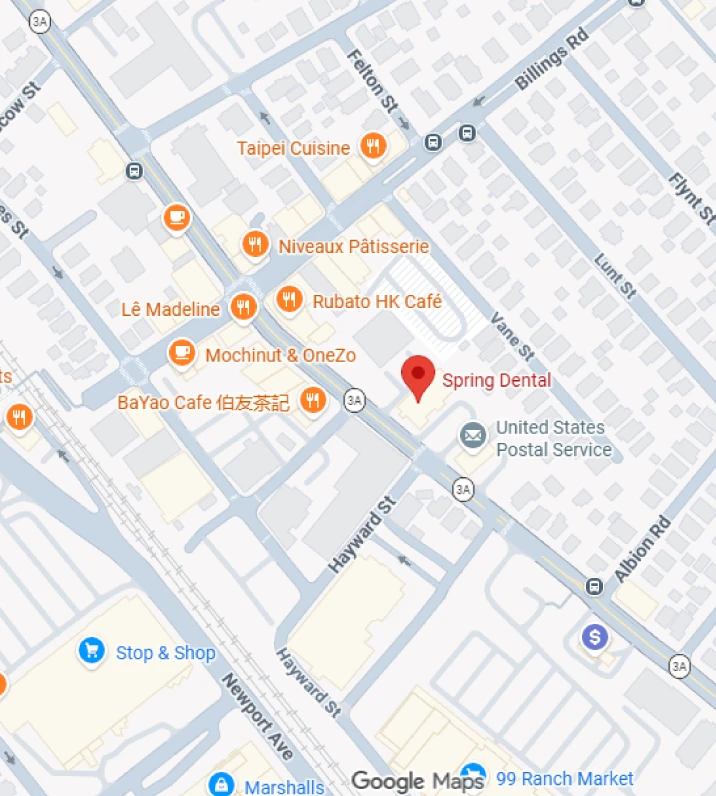
Available Days: Tuesday, Wednesday, Friday, and Saturday
Phone Number: 617-328-0790
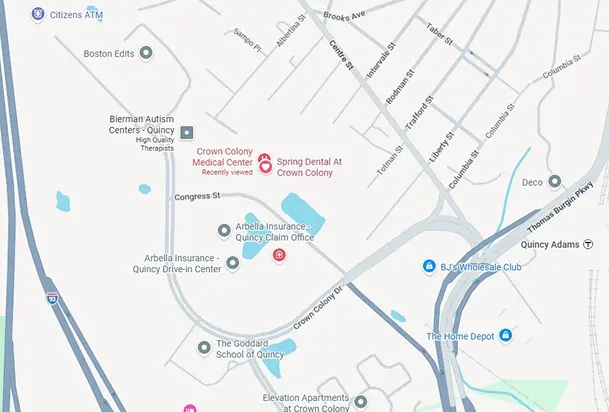
Available Days: Monday & Thursday
Phone Number: 617-984-0044



Overview
Services
Support
Privacy Policy | © 2026 Spring Dental | All Rights Reserved | Digital Marketing by Remedo