How Often Should You Get a Fluoride Treatment for Optimal Dental Health?
Aug 11, 2026
"How often should I actually get fluoride treatment?" It comes up constantly at the dentist's office. Here's the thing: there's no single right answer for everyone, and that's really the whole point of this conversation. Getting fluoride on a schedule that matches your actual risk level is a completely different experience (and outcome) than winging it based on what your neighbor or your sister does.
At Spring Dental, we treat fluoride frequency as something personal, not a blanket rule stamped on every chart. Some people do fine with treatment twice a year at their regular cleanings. Others, especially those with a history of cavities, dry mouth, or certain medical conditions, need it more often. Comparing these two paths, the standard twice-yearly visit versus a more customized, higher-frequency plan, shows pretty clearly why this shouldn't be left to guesswork.
Standard Fluoride Schedule vs. Higher-Frequency Plans
For most people with generally healthy mouths, fluoride at two routine visits a year does the job. It reinforces enamel and helps block decay before it starts. This lines up with your normal cleaning schedule too, so there's nothing extra to plan around. The fluoride goes on after your cleaning, takes a few minutes, and quietly does its work on your enamel between visits.
But higher-risk patients often need a different rhythm entirely. Sometimes that means fluoride every three to four months instead of twice a year. And this isn't about piling on more treatment just because more sounds better. It's about matching the plan to how hard your enamel is getting hit, by acid, sugar, dry mouth, whatever the culprit is. Someone with low cavity risk who suddenly starts showing up every three months for no clear reason isn't gaining much. Someone with real risk factors who sticks to twice a year? They might be under-protected.
Who Typically Falls Into the Higher-Frequency Category
A few groups tend to need fluoride more often. If you've had multiple cavities in recent years, you probably need closer monitoring and more frequent reinforcement. Dry mouth is another big one, whether it's from medication side effects, a health condition, or just naturally low saliva flow. Saliva is one of your mouth's best defenses (it neutralizes acid and rinses away food particles), so when that's compromised, fluoride helps fill the gap.
Braces and other orthodontic hardware often push people into more frequent treatment too. Brackets and wires create extra hiding spots for plaque. Sound familiar if you've ever tried flossing around wires? Similarly, anyone going through certain medical treatments, like radiation therapy near the head or neck, usually needs a more intensive fluoride schedule to protect their teeth during and after.
What Changes When You Adjust Fluoride Frequency
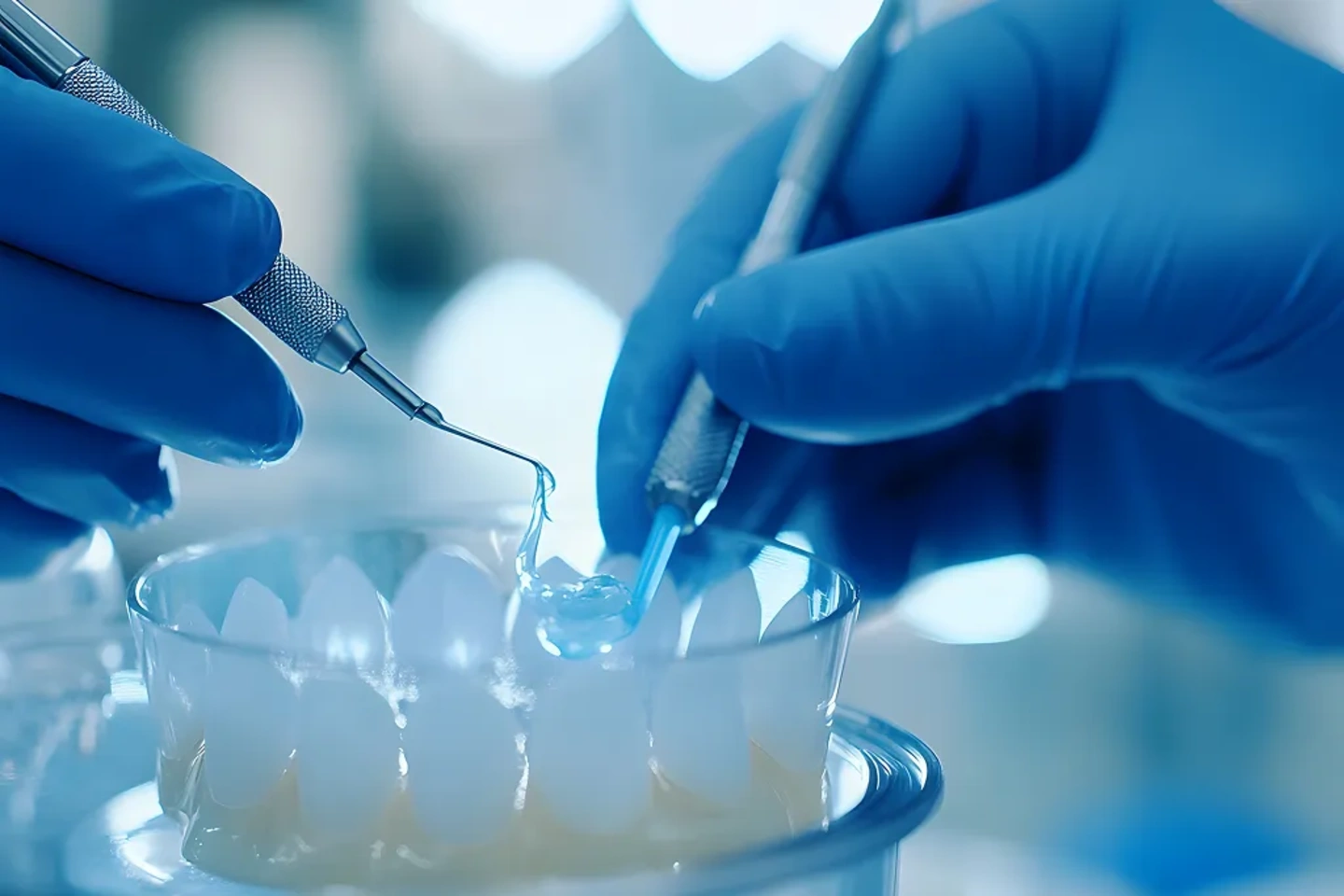
Let's get specific about what actually shifts when someone moves from a standard schedule to a tighter one. The treatment itself stays the same. It's still a topical application, a varnish, gel, or foam, painted right onto the teeth. What changes is how often your enamel gets that extra layer of backup and how consistently your mouth has support against acid.
On a twice-yearly plan, there's a longer stretch between applications. That's fine when decay risk is low and your hygiene habits are steady. On a more frequent plan, that gap shrinks. It matters more when something in your daily routine, whether it's diet, saliva flow, or spotty brushing, is working against your enamel more aggressively.
This is where at-home care comes into play too. Fluoride toothpaste, and in some cases prescription-strength rinses, can back up what happens in the office. But professional fluoride treatments carry a concentration that store-bought products just don't have. That's part of why the in-office schedule still matters, even if you're brushing and flossing like a champion at home.
Why Guessing at Frequency Doesn't Work Well
Some people assume more fluoride automatically means more protection. Others figure skipping a treatment to save time is no big deal. Neither holds up. Piling on fluoride treatments without a real clinical reason doesn't add much benefit and isn't something we'd typically recommend outside of an assessed need. But under-using it, especially if your risk factors are real, can mean missing a genuinely simple way to keep new cavities from forming.
So this conversation belongs at your dental visit. It should come from an actual look at your enamel, your health history, and your risk factors, not some generic rule applied the same way to everyone who walks through the door.
How Spring Dental Approaches Fluoride Treatment Planning
At our practice near North Quincy, MA, fluoride recommendations come straight out of your exam and history. Not a one-size-fits-all schedule pulled off a shelf. During your visit, we check enamel condition, cavity history, medications that might affect saliva, and other relevant factors before we suggest a fluoride frequency that actually fits you.
For a lot of patients near North Quincy, MA, twice-yearly treatments alongside routine cleanings still make the most sense. For others, we'll suggest adjusting based on what we're actually seeing in your mouth. Either way, the goal stays the same: keep the recommendation grounded in your real oral health picture, not some generic interval that may or may not apply to you.
Ready to Get Started?
Wondering if your current fluoride schedule actually fits your needs? Bring it up at your next visit. Spring Dental welcomes patients near North Quincy, MA who want a clearer picture of how fluoride fits into their overall care plan. Reach out to schedule an appointment. We'll look at your enamel, your history, and your risk factors, then figure out a schedule that actually makes sense for you.
FAQs
How often should you get a fluoride treatment if you have no history of cavities?
If your cavity risk is low and your hygiene habits are solid, fluoride at two routine cleanings a year is typically enough. Your dentist will double-check this is still the right call at each visit based on your enamel.
Can fluoride treatment frequency change over time?
Yes. Dry mouth, new medications, diet changes, or shifts in your hygiene routine can all bump your recommended frequency up or down. It's completely normal for your schedule to get reassessed at checkups.
Is it possible to get fluoride treatments too often?
Getting treatments more often than you actually need doesn't typically add much benefit. That's exactly why frequency should come from a real assessment, not personal preference.
Do children need fluoride treatments more often than adults?
Kids' fluoride needs get evaluated on their own terms, based on developing teeth and cavity risk. A dentist can walk you through the right schedule during pediatric visits.
Does fluoride treatment replace the need for fluoride toothpaste at home?
No. In-office fluoride and at-home fluoride toothpaste do different jobs. They're meant to work together, not stand in for each other.
Visit Our Clinics
Choose your nearest clinic location.
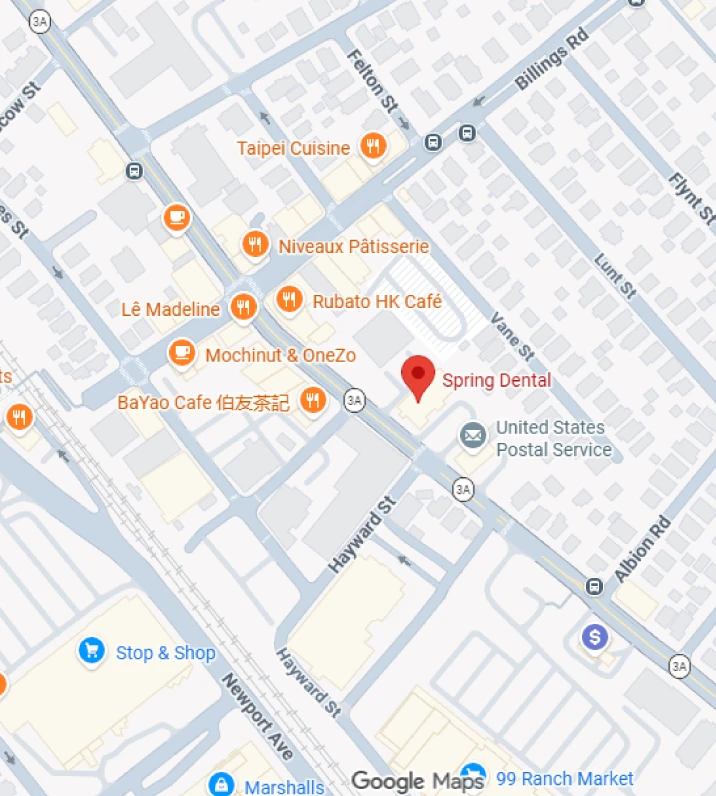
Available Days: Tuesday, Wednesday, Friday, and Saturday
Phone Number: 617-328-0790
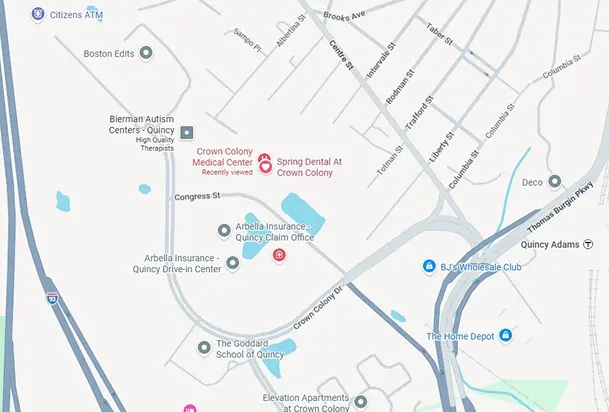
Available Days: Monday & Thursday
Phone Number: 617-984-0044


Overview
Services
Support
Privacy Policy | © 2026 Spring Dental | All Rights Reserved | Digital Marketing by Remedo