
What Are Fluoride Treatments and How Do They Protect Your Teeth?
Aug 07, 2026
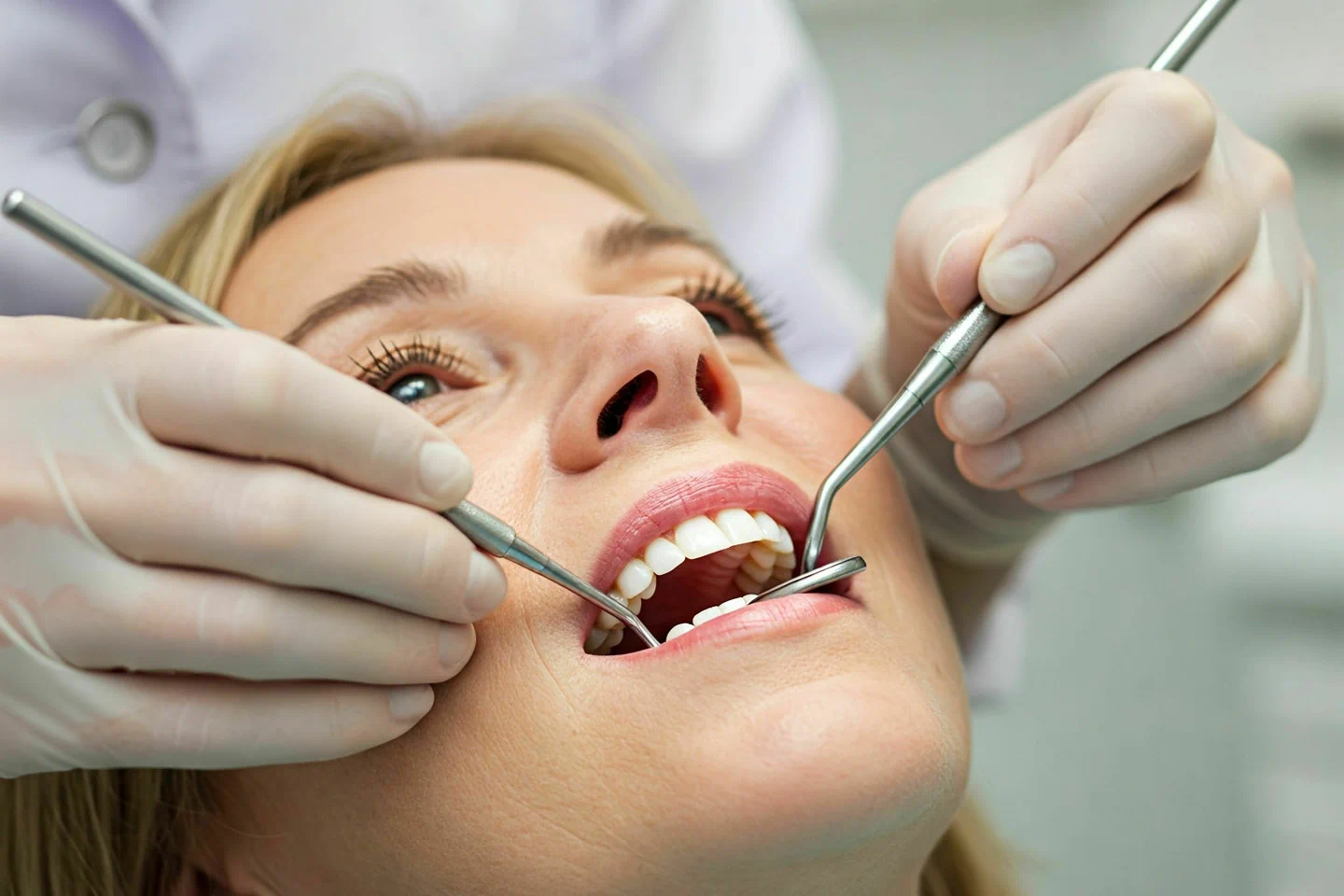
Ever left a dental cleaning with a thin, sticky gel or foam painted on your teeth right before you rinsed out? That's a fluoride treatment. It's one of those steps that feels routine, almost easy to forget about, but it's doing real work to keep your teeth strong between visits. At Spring Dental, fluoride treatment comes standard with many routine visits, and patients ask us all the time what it's actually doing once it hits their teeth. So let's walk through it. Why it's recommended, what happens in the chair, and what to expect once you're back in your car.
What Fluoride Actually Does to Your Teeth
Fluoride is a naturally occurring mineral, and its job is strengthening enamel, the hard outer layer of your teeth. Your enamel takes a beating every day. Food, sugary drinks, the bacteria that just naturally live in your mouth, all of it produces acid that wears enamel down over time. That process is called demineralization. Fluoride flips the script by helping enamel pull minerals like calcium and phosphate back in, a process called remineralization. In plain terms: it helps rebuild what acid tears down. That's the whole reason fluoride treatment still shows up in routine dental care for so many patients.
Step One: A Conversation About Your Risk Factors
Before any fluoride touches your teeth, your dentist or hygienist at Spring Dental will usually ask about your oral health history. This isn't small talk. It actually decides whether fluoride treatment makes sense for you, and how often you'd need it. Someone with a history of cavities, dry mouth, gum recession, or medications that cut down on saliva often gets more benefit from regular fluoride than someone whose checkups have been clean for years. Diet, brushing habits, even whether your tap water has fluoride in it, all of that factors in.
Why This Step Matters
Skip this conversation and you're stuck with a one-size-fits-all approach. That's just not how good preventive dentistry works. Everyone's mouth is different. This first step makes sure the treatment actually fits you instead of getting tacked on as an automatic extra.
Step Two: A Cleaning Comes First
Fluoride treatment usually follows a professional cleaning, and the order matters more than you'd think. During the cleaning, plaque, tartar, and surface gunk get cleared off your teeth. Apply fluoride before that happens, and it's just sitting on top of buildup instead of soaking into the enamel where it's actually needed. Once your teeth are polished and clean, they're finally ready for the fluoride to do its job.
Step Three: Applying the Fluoride
This is the part most people remember, usually because of the flavor or the texture. Fluoride comes in a few different forms:
Fluoride varnish. Painted directly onto your teeth with a small brush, it hardens fast the moment it hits saliva.
Fluoride gel. Often placed in a tray that sits over your teeth for a short stretch of time.
Fluoride foam. Works about the same as gel, just with a lighter texture.
At Spring Dental, which one you get usually depends on your age, comfort, and specific needs. Varnish has become the go-to for a lot of patients since it sets fast and lets you eat or drink sooner than some of the tray-based options.
How Long It Takes
Quick. That's the short answer. The application itself takes just a few minutes, one of the shortest parts of the whole visit. But short doesn't mean insignificant. Even that brief contact time gives the fluoride enough opportunity to start working into the enamel.
Step Four: The Waiting Period
Once the fluoride's on, you'll need to hold off on eating, drinking, or brushing for a bit, usually around 30 minutes (your dentist will tell you the exact window based on what was used). This waiting period is what lets the fluoride actually absorb instead of getting rinsed away before it's done its job. Small step. Big impact on how much benefit you actually get out of the treatment.
Step Five: What Happens After You Leave
Once you're home, there's really not much to do. Fluoride treatment isn't like a filling or an extraction, it doesn't come with a list of aftercare instructions. Once the waiting period's over, go back to your normal routine, eating and brushing like always. Some patients notice their teeth feel a little smoother, maybe less sensitive, in the days after treatment. That's expected. Nothing to worry about there.
Benefits of Fluoride Treatment Over Time
Here's the thing about fluoride treatment: you're probably not going to notice its benefits right away. It works slowly, quietly, in the background. Over time, consistent fluoride treatment can help with:
Strengthening enamel and making it more resistant to acid erosion.
Reducing the risk of cavities, especially in those spots that are tough to reach with a toothbrush at home.
Reversing very early decay before it turns into an actual cavity.
Giving extra protection to patients dealing with dry mouth, braces, or a history of frequent cavities.
Supporting kids' teeth as their enamel keeps maturing after the teeth come in.
These benefits stack up over repeated visits. They don't come from one appointment alone, which is exactly why your dentist might suggest fluoride treatment at regular intervals instead of treating it like a one-and-done fix.
Who Typically Needs Fluoride Treatment
Kids and teenagers get recommended for fluoride treatment often since their enamel's still developing. But plenty of adults need it too. Adults with a history of cavities, gum disease, dry mouth from medication, or exposed tooth roots often get advised to keep up with fluoride treatments at their regular visits. Everyone's needs are a little different here. That's why this gets discussed one-on-one instead of handed out automatically to whoever walks through the door.
Fluoride Treatment Is Just One Part of a Bigger Picture
Fluoride treatment works alongside your daily habits. It doesn't replace them. Brushing twice a day, flossing, cutting back on sugary snacks and drinks, all of that still carries most of the weight for your oral health. Fluoride gives your enamel some backup, extra reinforcement, but it's not a substitute for showing up and doing the daily work yourself. Think of it as one piece of a bigger routine that includes regular checkups, cleanings, and the habits you keep at home.
Ready to Get Started?
Been a while since your last cleaning? Curious whether fluoride treatment actually makes sense for you? The team at Spring Dental is happy to talk it through. We work with patients near North Quincy, MA to build dental care routines around their actual history and goals, whether that's fluoride treatment, a standard cleaning, or a bigger treatment plan. Reach out and schedule a visit, and we'll walk you through what makes sense for your smile.
FAQs About Fluoride Treatment
Does fluoride treatment hurt?
No. Fluoride treatment doesn't hurt at all. The gel, foam, or varnish just sits on your teeth for a short period before you rinse. Most patients call it quick and easy, no discomfort involved.
How often should I get a fluoride treatment?
Depends on your risk factors. Some patients get fluoride at every routine cleaning, others only need it once or twice a year. Your dentist at Spring Dental can map out a schedule based on your history.
Can adults get fluoride treatments, or is it just for kids?
Adults benefit plenty, especially with dry mouth, a history of cavities, or exposed tooth roots. It's associated with kids a lot, sure, but it's not limited to any one age group.
Is fluoride treatment safe?
Fluoride treatment's been part of dental care for decades. It's a standard piece of preventive treatment when a dental professional applies it in the right amounts.
What should I avoid after getting a fluoride treatment?
You'll usually need to skip eating, drinking, or brushing for about 30 minutes afterward. Your dentist will give you specifics based on the type of fluoride used.
Visit Our Clinics
Choose your nearest clinic location.

Available Days: Tuesday, Wednesday, Friday, and Saturday
Phone Number: 617-328-0790
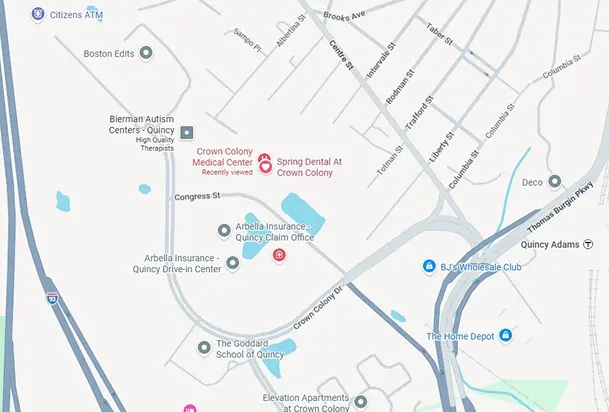
Available Days: Monday & Thursday
Phone Number: 617-984-0044



Overview
Services
Support
Privacy Policy | © 2026 Spring Dental | All Rights Reserved | Digital Marketing by Remedo