
What Foods Should You Avoid If You Have TMJ Disorder?
Aug 03, 2026

If you have TMJ disorder, you already know a normal day comes with landmines. Biting into a sandwich. Chewing gum during a meeting. Grabbing a quick snack between errands. Any of these can turn into a jaw-clenching, wince-inducing event without warning. What used to be automatic now takes planning. You might catch yourself scanning a menu not for what sounds good, but for what won't set off pain later that night.
Here's the thing about TMJ disorder: the daily grind of it doesn't get talked about enough. It's not just a clinical diagnosis. It's a shift in how you eat, how long meals take, and sometimes how much you spend, since softer, pre-prepared foods often cost more than the crunchy, chewy staples you used to grab without thinking. Before we get into the clinical side, it helps to look at how TMJ disorder actually plays out in daily life, and how adjusting your diet can ease some of that friction.
The Everyday Impact of TMJ Disorder on Eating
Think about how many times a day your jaw is put to work. Talking. Chewing. Yawning. Even resting your face while you concentrate on something. When the temporomandibular joint is inflamed or irritated, all of that becomes something you're suddenly aware of, in a way you never were before.
Meals that once took ten minutes might now take twenty or thirty, because you're chewing more slowly or favoring one side. Some people near North Quincy, MA start avoiding certain restaurants altogether, knowing the menu will be hard on their jaw. Others stop packing crunchy snacks in their bag and switch to softer, pricier pre-cut options just to avoid discomfort at work or school.
So understanding foods to avoid with TMJ isn't just a clinical talking point. It's a practical, everyday strategy, one that can reduce pain episodes, cut down on frustration, and help you get back to eating without constantly thinking about your jaw.
Why Diet Matters for TMJ Disorder
The temporomandibular joint connects your jawbone to your skull. It's involved every single time you open your mouth. When this joint or the muscles around it are inflamed, overworked, or misaligned, certain foods can aggravate symptoms far more than others.
A TMJ diet isn't about restriction for its own sake. It's about taking unnecessary strain off a joint that's already under stress. Choosing softer foods and changing how you prepare meals can lower how often flare-ups happen, and how intense they get, which in turn can cut down how often you're reaching for pain relievers or ice packs just to get through the day.
Hard and Crunchy Foods
Foods like raw carrots, hard pretzels, nuts, and crusty bread demand a lot of repetitive force from the jaw. That repeated motion can aggravate a joint that's already sensitive. Even biting into an apple can pull the jaw in a way that triggers discomfort.
Chewy and Sticky Foods
Caramel, taffy, bagels, chewy bread. None of these seem like an issue at first glance, but they demand prolonged chewing and can make the jaw overwork itself trying to break the food down. Sticky foods especially can pull at the jaw joint in ways that leave you sore afterward.
Foods That Require Wide Opening
Foods to avoid with TMJ also include anything that forces your mouth unusually wide, like a thick burger or an overstuffed sandwich. Even if the food itself is soft, the act of opening wide to take a bite can strain the joint.
Tough Meats and Fibrous Vegetables
Steak, tough cuts of meat, fibrous raw vegetables like celery. All of these require sustained chewing pressure. That ongoing muscle engagement can worsen jaw fatigue and leave you in more pain by the end of a meal.
Gum and Ice
Chewing gum keeps the jaw in constant motion for long stretches, which is one of the more common triggers dentists hear about from patients. Chewing ice can cause sudden, jarring pressure on the joint too. Best to skip it altogether.
What a TMJ Diet Can Look Like Instead
Here's the good news: avoiding certain foods doesn't mean giving up variety or flavor. A TMJ diet often includes:
Soft fruits. Bananas, berries, cooked apples, instead of raw, hard fruit.
Vegetables, cooked down. Steamed or well-cooked instead of raw and fibrous.
Meat, prepared gently. Ground meats, fish, or slow-cooked cuts instead of anything tough.
Easy nutrition. Soups, smoothies, and yogurt when chewing just isn't worth the effort.
Grains, softened. Oatmeal or soft grains instead of crusty breads or hard cereal.
Cutting food into smaller pieces before eating also cuts down how much jaw movement each bite requires. Small adjustments like this add up over a day. They can make mealtimes feel less like something to brace for.
How This Fits Into a Bigger Treatment Plan
Dietary changes ease day-to-day discomfort, sure. But they're usually just one piece of a bigger approach to managing TMJ disorder. A dentist may also look at jaw alignment, nighttime clenching or grinding, stress-related muscle tension, and posture habits that add to joint strain.
At Spring Dental, evaluating TMJ symptoms often starts with a conversation about your daily habits, not just an exam of the joint itself. Understanding when pain flares up, what foods you've already started avoiding, and how your routine has shifted helps guide a treatment plan that actually fits your life. Not a generic checklist.
For people near North Quincy, MA, this practical, everyday-focused approach can make ongoing TMJ management feel a lot less overwhelming. The plan reflects real habits and real challenges, not a one-size-fits-all diet sheet.
Ready to Get Started?
If jaw pain has started dictating what you eat, how long your meals take, or which restaurants you walk into, it might be time to talk to a dentist about what's going on. Spring Dental works with people throughout North Quincy, MA to look at TMJ symptoms from a whole-day perspective, not just a clinical one. Reach out to schedule an appointment and start working toward a routine where eating feels normal again. Not something to brace for.
FAQs
What foods should I avoid immediately if my TMJ pain flares up?
During a flare-up, stick to very soft foods like yogurt, mashed potatoes, smoothies, or soup. Skip anything crunchy, chewy, or that needs wide opening until the discomfort settles down.
Can chewing gum make TMJ disorder worse?
Yes. Chewing gum keeps the jaw joint in repetitive motion for long stretches, which can increase muscle fatigue and irritation for a lot of people with TMJ disorder.
Is a TMJ diet permanent?
Not necessarily. Many people find dietary adjustments matter most during flare-ups or rough patches, while others stick with softer food habits longer term as part of managing symptoms overall.
Are there drinks I should avoid with TMJ disorder?
Very cold or ice-heavy drinks that involve chewing ice can aggravate the jaw. Otherwise, most beverages aren't directly linked to TMJ symptoms.
Should I see a dentist if diet changes alone aren't helping?
Yes. If soft foods and smaller bites aren't cutting down your symptoms, it's worth getting evaluated. TMJ disorder usually involves more than one factor (diet is rarely the whole story), and a dentist can help figure out what else is contributing to your discomfort.
Visit Our Clinics
Choose your nearest clinic location.
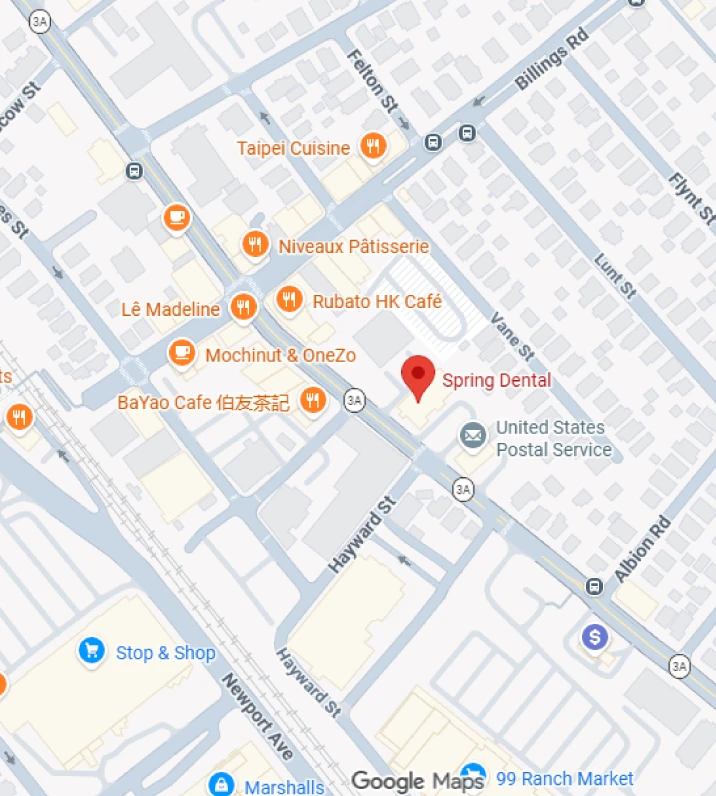
Available Days: Tuesday, Wednesday, Friday, and Saturday
Phone Number: 617-328-0790
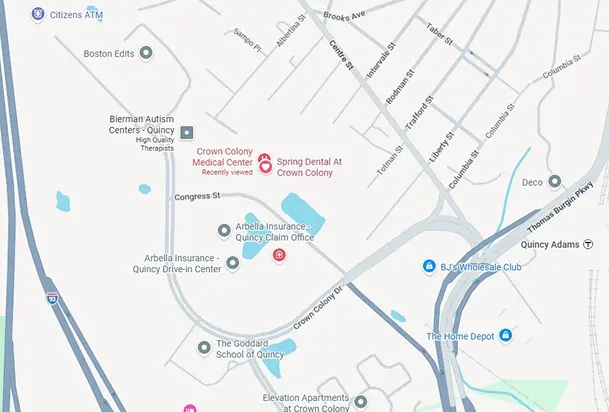
Available Days: Monday & Thursday
Phone Number: 617-984-0044



Overview
Services
Support
Privacy Policy | © 2026 Spring Dental | All Rights Reserved | Digital Marketing by Remedo