
How Do Clear Aligners Work to Straighten Teeth?
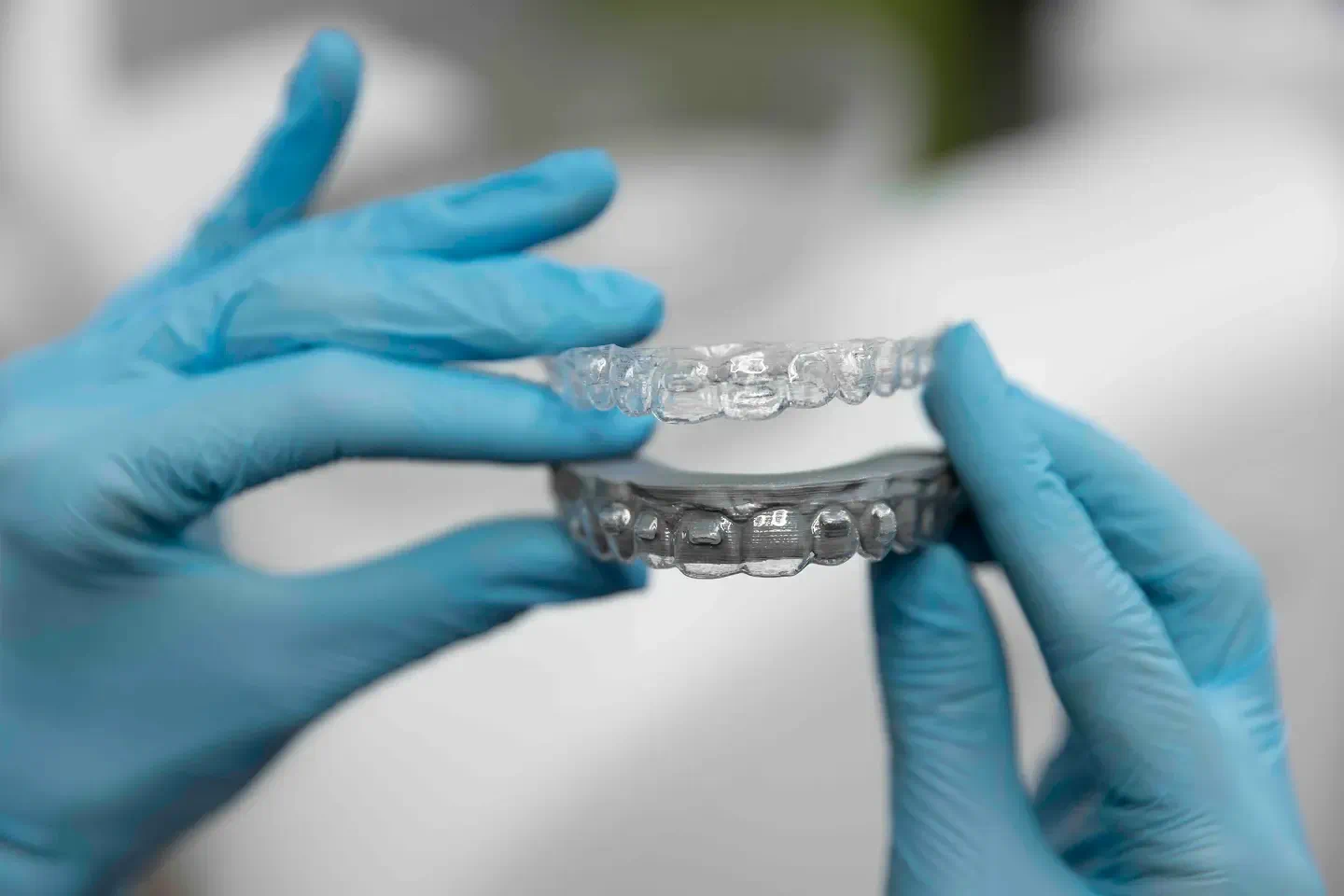
You may look at a clear aligner and wonder how something that resembles a thin plastic tray can actually move a tooth.
The process is more precise than it looks.
Clear aligners are designed to apply controlled pressure to specific teeth. Instead of trying to move your entire smile at once, treatment is divided into a series of small steps.
Each aligner is slightly different from the one before it. As you progress through the series, your teeth gradually move toward their planned positions.
If you are researching clear aligner treatment in North Quincy, MA, understanding how the process works can help you decide whether it is worth exploring.
It Starts With a Detailed Assessment
Clear aligner treatment does not begin when you receive your first tray. It begins with an examination.
Your dentist needs to understand your current tooth positions, bite, gum health, and overall oral health.
Digital scanning may be used to create a three-dimensional model of your teeth. X-rays may also be recommended when necessary to evaluate structures that cannot be seen from the outside.
This information helps your provider determine whether clear aligners are appropriate.
Your Treatment Is Planned Digitally
Once your teeth have been evaluated, your provider can develop a treatment plan.
The software used for aligner treatment allows the provider to plan a sequence of tooth movements.
The final goal is not simply to make your front teeth look straighter. Your dentist also needs to consider how your upper and lower teeth come together.
Why Bite Matters
Your teeth work as a system.
Moving one tooth can affect how it contacts another tooth. A treatment plan therefore needs to consider your bite, not just the appearance of your smile.
That is one reason professional treatment is different from simply ordering a tray online without comprehensive dental supervision.
How Does an Aligner Move a Tooth?
Your teeth are held in the jaw by periodontal tissues. They are not permanently fused into one position.
When controlled orthodontic pressure is applied, the supporting tissues can remodel, allowing the tooth to gradually change position.
Each aligner is designed to apply specific forces to particular teeth.
You may not notice movement from day to day. The changes happen gradually over time.
Why Do You Need Multiple Aligners?
One tray cannot usually move all of your teeth into their final positions safely and predictably.
Instead, treatment is divided into stages.
One aligner may make a small adjustment to a front tooth. The next tray may continue that movement while beginning another adjustment elsewhere.
Over a series of trays, those small changes add up.
What Are Attachments?
Some patients need small tooth-colored attachments during clear aligner treatment.
These are bonded temporarily to selected teeth and provide additional surfaces for the aligners to grip.
Attachments can help produce certain tooth movements that would be difficult with the aligner alone.
Not every patient needs the same number or type of attachments.
What Happens When You Switch Aligners?
When you move to the next aligner in your series, the new tray is designed to fit your teeth at a slightly different stage.
You may notice pressure or tightness when beginning a new tray. That sensation is generally associated with the planned movement of your teeth.
The aligner should fit appropriately. If it does not fit as expected or you experience significant discomfort, contact your dental provider.
Why Consistency Matters
Clear aligners only work while you are wearing them.
Because they are removable, it is easy to underestimate how much your participation matters.
Leaving your aligners out for extended periods can reduce the amount of time your teeth are exposed to the planned orthodontic forces.
Following your provider's instructions helps keep your treatment progressing as planned.
What Happens at Follow-Up Visits?
Your provider will periodically evaluate your progress.
These visits allow the dental team to check how your teeth are responding and whether the treatment is progressing appropriately.
If your teeth are not moving as expected, adjustments may sometimes be necessary.
Orthodontic treatment is not simply a process of receiving trays and forgetting about them.
How Long Does Clear Aligner Treatment Take?
There is no universal treatment length.
A patient with mild spacing may need a different number of aligners than someone with significant crowding or a bite problem.
Your provider can estimate your treatment timeline after examining your teeth and determining what movements are necessary.
What Happens After the Last Aligner?
Finishing your final active aligner does not mean your orthodontic care is over.
Teeth can shift after treatment because the tissues around them need time to adapt to their new positions.
That is why retainers are commonly recommended after clear aligner treatment.
Your provider will explain when to begin wearing retainers and how frequently you should use them.
Start Your Clear Aligner Journey at Spring Dental
Straightening your teeth is a process, not an overnight change. If you are interested in learning whether clear aligners can work for your smile, Spring Dental can assess your teeth and discuss your options.
Contact Spring Dental, a dental clinic in North Quincy, MA, to schedule a consultation for clear aligner treatment.
FAQs About How Clear Aligners Work
Do clear aligners actually move teeth?
Yes. Clear aligners apply controlled forces to gradually reposition teeth over time.
How do aligners know which teeth to move?
Each aligner is manufactured according to a customized treatment plan. Its shape determines where pressure is applied and which movements are planned.
Why do my aligners feel tight?
A new aligner may feel snug because it is designed for the next stage of tooth movement. Significant pain or an aligner that does not fit properly should be reported to your provider.
What are attachments used for?
Attachments provide additional points of contact between the aligner and your teeth. They can help with certain movements that may otherwise be difficult to achieve.
Can clear aligners move every tooth?
Aligners can move many teeth, but the type and extent of movement depend on the individual case. Some complex movements may require another orthodontic approach.
Do clear aligners work immediately?
Tooth movement is gradual. You may notice changes at different points during treatment, but the full result requires completing the prescribed treatment sequence.
Can I stop wearing aligners when my teeth look straighter?
You should continue treatment according to your provider's instructions. Stopping early can leave your bite or tooth positions incomplete.
Does clear aligner treatment hurt?
Some pressure, tightness, or mild temporary discomfort can occur when teeth are being moved. Your provider should evaluate persistent or severe discomfort.
Visit Our Clinics
Choose your nearest clinic location.
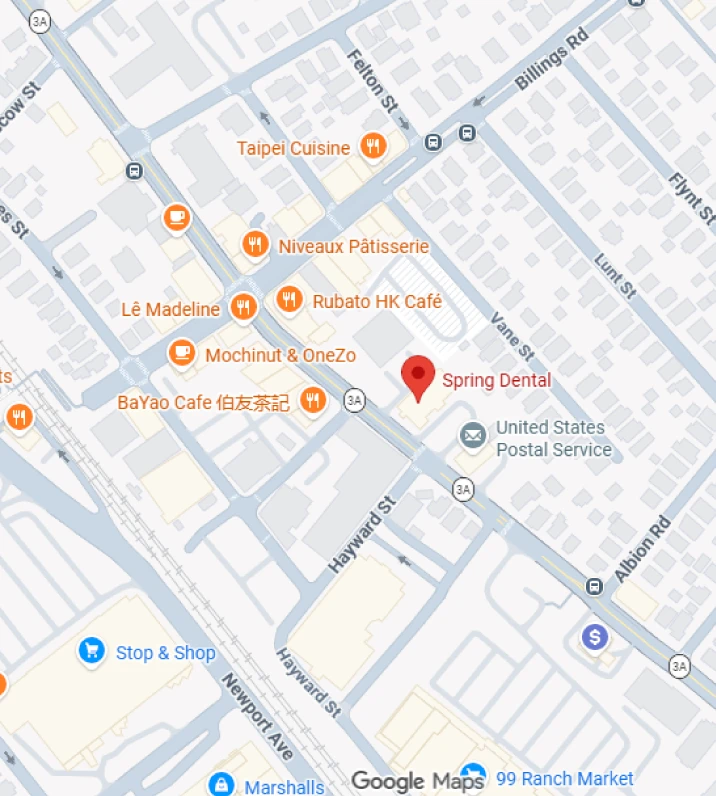
Available Days: Tuesday, Wednesday, Friday, and Saturday
Phone Number: 617-328-0790

Available Days: Monday & Thursday
Phone Number: 617-984-0044


Overview
Services
Support
Privacy Policy | © 2026 Spring Dental | All Rights Reserved | Digital Marketing by Remedo