
How Does Fluoride Treatment Help Protect Teeth During Orthodontic Treatment?

Braces or clear aligners change more than your smile. They change your whole routine. Brushing takes longer. Flossing takes more patience than it used to. And there are suddenly a bunch of spots on your teeth that are way harder to reach. If you've ever finished a meal with braces on and felt like you needed a solid ten minutes just to clean up afterward, you already know this reality firsthand. This is exactly where fluoride treatment earns its place, not as some extra clinical step, but as a genuinely useful everyday ally.
At Spring Dental, patients in and around North Quincy, MA often ask why fluoride comes up so much once braces go on. Here's the thing: orthodontic appliances create more places for food, plaque, and bacteria to hide. That raises the risk of weak spots forming on the enamel. Fluoride treatment lowers that risk in a simple, low-effort way that fits right into a routine you're already managing.
The Everyday Reality of Wearing Braces or Aligners
Before we get into the science, let's talk about what orthodontic treatment actually feels like on a random Tuesday afternoon after lunch. Brackets and wires create ledges and corners food loves to hide in. Aligners, while removable, still trap saliva and food particles against the teeth for hours if they're not cleaned properly. Over months of treatment, these small daily headaches add up.
Patients often mention three practical concerns:
Time. Cleaning around brackets or aligner attachments just takes longer than a normal brushing session.
Eating. Certain foods get stuck more easily, and suddenly sugary or sticky snacks feel risky in a way they never used to.
Cost. Nobody wants to finish orthodontic treatment only to discover new cavities or white spot lesions that need separate dental work.
Fluoride treatment goes after all three of these head-on. It doesn't add much time to an appointment. It doesn't change what you can or can't eat. And it can help reduce your chances of needing extra restorative work later. That combination is exactly why it's become such a routine part of orthodontic care.
What Fluoride Actually Does for Teeth in Braces
Fluoride works by strengthening enamel, the hard outer layer of your tooth. When plaque bacteria break down sugars and starches, they release acids that pull minerals out of that enamel. This process is called demineralization, and it's the first step toward a cavity or a white spot lesion.
Fluoride helps reverse the early stages of this process through something called remineralization. It pulls calcium and phosphate back into weakened spots on the enamel, making the tooth surface tougher against future acid attacks. For anyone in braces, this matters more than usual. Brackets and wires create extra surface area where plaque can just sit there, undisturbed, for way longer than it should.
Why Orthodontic Patients Face Higher Cavity Risk
It's not that braces cause cavities directly. It's that they change the environment in your mouth. Brushing around brackets takes more precision. Flossing means threading tools or special flossers through wires. And aligners can trap bacteria against enamel if you wear them during meals or skip proper cleaning. Fluoride treatment gives your enamel an extra layer of protection during this higher-risk stretch, which matters a lot since orthodontic treatment often runs many months, sometimes a couple of years.
How Fluoride Treatment Fits Into a Normal Dental Visit
One reason fluoride treatment is so widely used during orthodontic care? It's fast. At a routine visit at Spring Dental, fluoride gets applied as a varnish, gel, or foam directly onto the teeth. The whole thing usually takes just a few minutes, and there's no downtime after. You'll likely be asked to skip eating or drinking for a short window so the fluoride can absorb properly. That's about the extent of the hassle.
This fits naturally into the same visits where a dentist near North Quincy, MA might already be checking wire tension, bracket placement, or aligner fit. No need to book a separate appointment just for fluoride. That keeps things efficient when you're already juggling school, work, or family schedules.
At-Home Fluoride Options
Beyond the in-office treatment, many patients also get sent home with fluoride toothpaste or a prescription-strength fluoride rinse. This adds a daily layer of protection between visits. For anyone in orthodontic treatment, consistent at-home fluoride use helps a lot, since it reinforces enamel strength every single day, not just at checkups.
Practical Habits That Work Alongside Fluoride Treatment
Fluoride treatment works best as part of a bigger daily routine, not as a stand-alone fix. Patients wearing braces or aligners are typically encouraged to:
Brush after meals when possible, especially with braces, since food particles get trapped more easily.
Use interdental brushes or floss threaders to clean around wires and brackets.
Avoid excessive sugary snacks and drinks. They ramp up acid production in your mouth fast.
Wear aligners as directed, and take them out before eating or drinking anything besides water.
Keep up with regular dental visits so early signs of demineralization get caught early.
None of this requires a total lifestyle overhaul. These are small adjustments that, paired with fluoride treatment, protect your enamel through the whole course of treatment.
Why This Matters for Long-Term Oral Health
The goal of orthodontic treatment is a straighter, more functional bite. But that goal only holds up if the teeth underneath actually stay healthy. Enamel damage or white spot lesions that show up during treatment can stick around even after the braces come off, sometimes needing separate cosmetic or restorative work to fix. Fluoride treatment is one of the more practical, low-cost ways to cut that risk down while treatment is still happening.
For patients near North Quincy, MA, that means fewer surprises at the end of treatment and a smoother move into the retention phase (when teeth are settling into their new positions and daily hygiene habits matter more than ever).
Ready to Get Started?
If you or someone in your family is currently in orthodontic treatment, or about to start, talking with your dental team about fluoride treatment is a small step that makes a real difference down the line. At Spring Dental, our team works with patients throughout treatment to protect enamel, catch issues early, and keep daily oral care manageable. Reach out to our practice in North Quincy, MA to schedule a visit and ask about fluoride treatment options that fit your specific orthodontic plan.
FAQs
Q. How often should fluoride treatment be applied during orthodontic treatment?
A. This depends on your individual risk factors, but many patients get professional fluoride treatment at routine dental visits, often every three to six months, alongside daily fluoride toothpaste use at home.
Q. Does fluoride treatment hurt or take a long time?
A. No. Fluoride treatment is quick and painless. It usually means a varnish or gel gets applied to your teeth, followed by a short wait before eating or drinking.
Q. Can fluoride treatment reverse white spot lesions that already appeared?
A. Fluoride can help remineralize early white spot lesions, but results vary depending on how advanced the demineralization is. A dental evaluation is the best way to figure out next steps.
Q. Is fluoride treatment safe for both children and adults in orthodontic treatment?
A. Yes. Fluoride treatment is commonly used for both children and adults going through orthodontic treatment, with dosage and application adjusted appropriately by the dental team.
Q. Will fluoride treatment replace the need for good brushing and flossing habits?
A. No. Fluoride treatment works alongside daily brushing, flossing, and regular dental visits. It strengthens enamel, sure, but it doesn't remove plaque or replace your daily hygiene routine.
Visit Our Clinics
Choose your nearest clinic location.
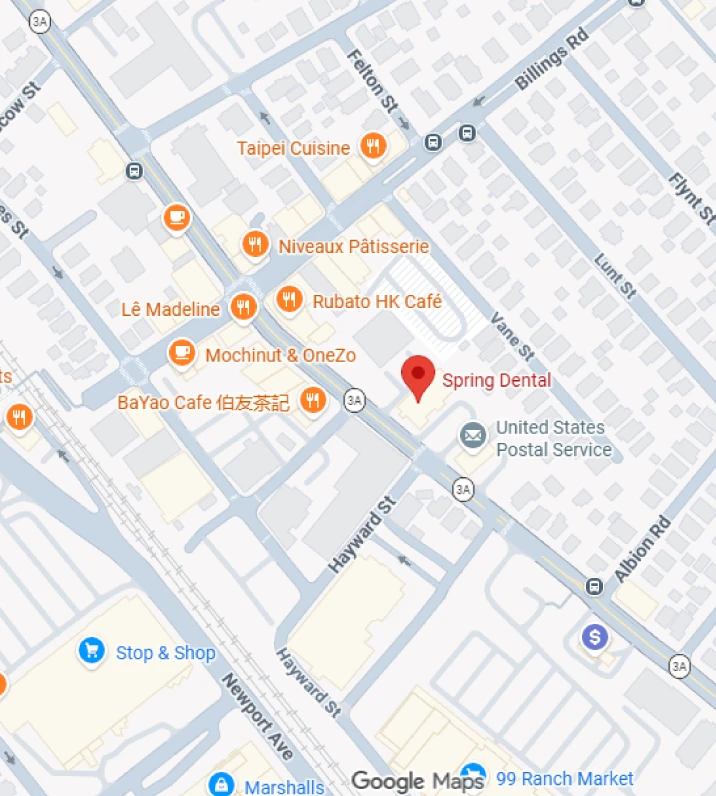
Available Days: Tuesday, Wednesday, Friday, and Saturday
Phone Number: 617-328-0790
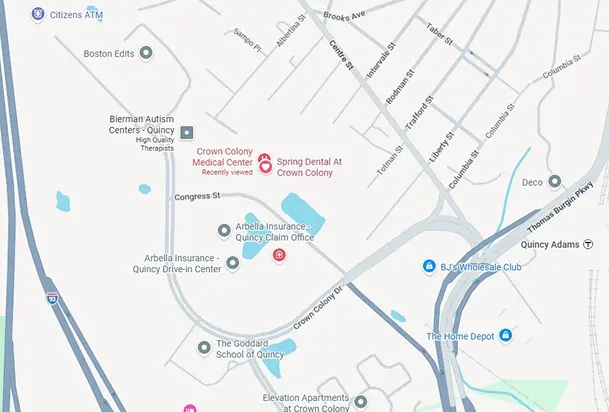
Available Days: Monday & Thursday
Phone Number: 617-984-0044



Overview
Services
Support
Privacy Policy | © 2026 Spring Dental | All Rights Reserved | Digital Marketing by Remedo