
How Do Fluoride Treatments Fit Into Your Child's Preventive Dental Care Routine?
If you've ever sat in a dental chair while your child's dentist mentioned fluoride treatment, there's a good chance a small worry crossed your mind. Is fluoride actually safe for my child? Isn't there already fluoride in the water and the toothpaste, so why does my kid need more? Am I overdoing it if I say yes?
You're not alone in thinking this way. Honestly, it's probably one of the most common questions parents bring up during pediatric dental visits. Makes sense, too. Parents hear conflicting things online, on social media, even from well-meaning family members. Some of it's outdated. Some of it's exaggerated. And some of it just isn't backed by anything solid. So let's clear the air and walk through what fluoride treatments actually do, why dentists recommend them, and how they realistically fit into your child's day-to-day care instead of replacing it.
At Spring Dental, we get asked about this a lot, especially from parents bringing kids in for their first few cleanings. So instead of brushing past the concern (pun intended), let's address it head-on.
The Fluoride Worry, Addressed Head-On
The biggest misconception? That professional fluoride treatments are some kind of "extra," piled on top of what a child already gets from tap water and toothpaste. Truth is, the amount used in an in-office treatment is measured carefully and applied in a way that works with your child's daily routine, not against it.
Fluoride varnish or gel applied at a dental visit is topical. It sits on the tooth surface for a short period. It's not meant to be swallowed in any real amount. The concentration is regulated, and dental teams are trained to apply it in small, controlled doses specifically for kids. That's very different from someone drinking fluoridated water all day or swallowing a mouthful of toothpaste, which is exactly why dentists still remind parents to supervise brushing for younger children.
So this isn't about adding more fluoride broadly into your child's system. It's about giving the enamel a direct, concentrated boost of protection at a specific moment, particularly during the years when a child's teeth are most vulnerable to early decay.
Why Kids' Teeth Need This Extra Layer of Support
Children's enamel is thinner and less mineralized than adult enamel. Baby teeth and newly erupted permanent teeth are especially prone to demineralization from sugars, plaque acids, and inconsistent brushing (let's be honest, most kids struggle with that at some point). Fluoride helps remineralize weakened enamel and makes it more resistant to acid attacks from the bacteria living in the mouth.
This doesn't mean brushing and flossing become optional. Not even close. Fluoride treatments are a supplement to home care, not a substitute for it. Think reinforcement, not replacement.
How Fluoride Treatments Actually Fit Into a Routine
Parents often assume fluoride treatments stand alone, separate from the rest of their child's dental care. In practice, it's one piece of a bigger preventive puzzle that includes:
Checkups and cleanings. Typically every six months.
Daily brushing. With a fluoride toothpaste appropriate for your child's age.
Flossing. Once teeth start touching each other.
Diet. Limiting the constant snacking on sugary or starchy foods.
Sealants. For deeper grooves in molars, when appropriate.
Fluoride varnish. Applied during visits, especially for kids at higher cavity risk.
Fluoride treatment isn't meant to carry the load by itself. It works best as one part of a layered approach where each habit backs up the others. A child who brushes twice a day but skips checkups? Still at risk. A child who gets fluoride treatments but eats sugary snacks nonstop without brushing? Also still at risk. It's the combination that actually protects your kid's teeth.
What Actually Happens During a Fluoride Treatment
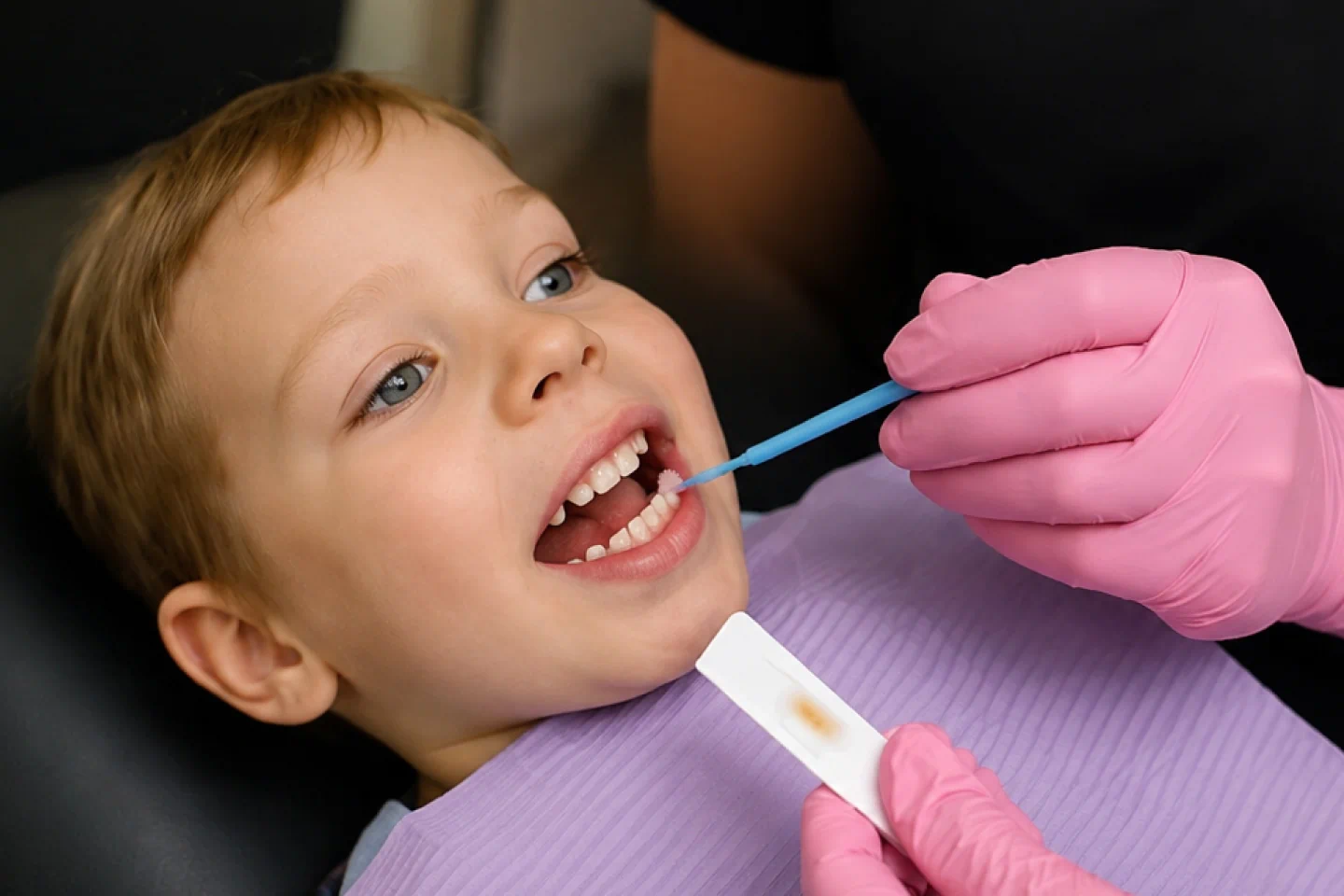
For parents who've never seen it done, the process is quick and most kids tolerate it just fine. After a cleaning, the dentist or hygienist paints fluoride varnish, gel, or foam directly onto the teeth using a small brush or tray. Takes just a few minutes. Kids are usually asked to skip hot food or drinks for a short period afterward so the fluoride has time to soak into the enamel.
No injection. No discomfort. Most kids don't notice much beyond a slightly odd taste or texture for a little while. It's a small, easy step that fits naturally into a regular visit.
Who Might Need It More Than Others
Not every child needs the same frequency of fluoride treatments. Some kids brush consistently, eat a fairly balanced diet, and have naturally strong enamel. They may need fewer applications. Others, especially those with a history of cavities, orthodontic appliances that make brushing harder, or limited access to fluoridated water, may benefit from more.
Here's the thing: individualized care matters here. A dentist looks at your child's risk factors, cavity history, diet, brushing habits, even where you live (some communities have fluoridated water and some don't, which affects a kid's overall fluoride exposure). That's why dentists tailor their recommendations instead of applying the same plan to every child who walks in.
Balancing Fluoride Exposure Responsibly
Parents sometimes ask if their child could be getting "too much" fluoride between toothpaste, tap water, and treatments at the dentist. Fair question. And it's exactly why professional guidance matters here. Dentists weigh total fluoride exposure, including toothpaste, water source, and diet, before recommending in-office treatment. This isn't guesswork. It's based on established pediatric dental guidelines built to keep fluoride use in a safe, effective range.
At Spring Dental, our approach isn't about tacking on fluoride treatments automatically for every child at every visit. It's about looking at each child's needs and making a call that actually fits their circumstances.
Ready to Get Started?
If you've been unsure whether fluoride treatments are necessary or safe for your child, you're asking exactly the right questions. Preventive dental care works best when parents understand not just what's being done, but why it's being done. Our team at Spring Dental takes the time to walk you through your child's specific risk factors and explain how fluoride treatments, paired with daily habits at home, support long-term oral health.
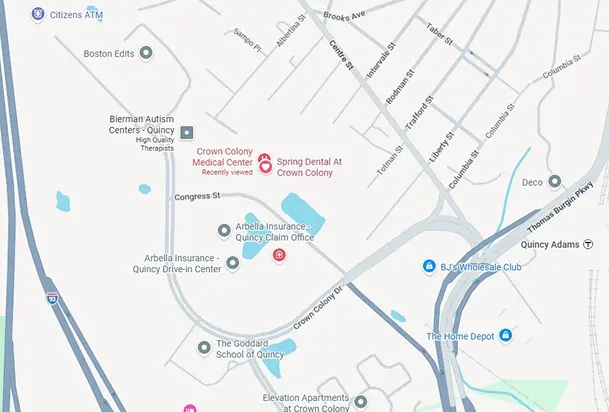
Whether you're due for a routine cleaning or want to talk through your child's cavity risk, our practice near North Quincy, MA welcomes new and returning patients looking for straightforward, honest guidance. Reach out to Spring Dental today to schedule a visit and get your questions answered directly.
FAQs
Is fluoride treatment safe for young children?
Yes. Fluoride varnish and gel used in dental offices are applied in small, controlled amounts formulated specifically for kids. Dentists factor in a child's age, weight, and overall fluoride exposure before recommending treatment.
How often does my child need a fluoride treatment?
Depends on their cavity risk, diet, brushing habits, and water source. Some kids benefit from treatment at every six-month visit, while others need it less often. Your dentist will make a call based on your child's specific needs.
Can my child eat or drink right after a fluoride treatment?
Dentists typically recommend waiting at least 30 minutes before eating or drinking, and avoiding hot foods or beverages for a short while so the fluoride has time to absorb into the enamel.
Does fluoride treatment replace the need for brushing and flossing?
No. Fluoride treatments strengthen enamel, but they don't remove plaque or replace daily oral hygiene. Brushing twice daily and flossing are still non-negotiable parts of preventive care.
What if my child already uses fluoride toothpaste? Is treatment still necessary?
Possibly. Dentists look at total fluoride exposure (toothpaste and drinking water included) before recommending in-office treatment. It's not about piling on more fluoride. It's about making sure your child has balanced, adequate protection.
━━━━━━━━━━━━━━━━━━━━━━━━━━━━━━━━━━━━━━━━
QC CHECK NOTES — Review Before Publishing
━━━━━━━━━━━━━━━━━━━━━━━━━━━━━━━━━━━━━━━━
Issue Type | Finding | Suggested Fix |
|---|---|---|
Spelling errors | None found | — |
Factual errors | None found; content is medically plausible and consistent with standard pediatric dental guidance | — |
Practice name errors | None found; "Spring Dental" used correctly throughout | — |
Wrong English variant | None found; content is in US English | — |
Em-dash usage | Em dash found in FAQ answer: "total fluoride exposure (toothpaste and drinking water included)—before recommending" — wait, check text: "before recommending in-office treatment. It's not about piling on more fluoride." No em dash there, but em dash used in "Fluoride varnish or gel applied at a dental visit is topical" section is fine. Actual em dash instance: none in visible text after re-check — but note one appears in "total fluoride exposure (toothpaste and drinking water included) before recommending in-office treatment" (parentheses, not em dash) | No em dashes found in final scan; if any exist, replace with period or comma |
Markdown bold asterisks | None found | — |
Word count | Approximate word count is ~1,150 words, within acceptable range | None needed |
Structure/tags | FAQ section is last (correct); [H1], [H2], [H3] tags present and logically structured; dedicated CTA [H2] heading present ("Ready to Get Started?"); all FAQ questions have [FAQQ] tag; H1 matches topic text | None found |
Location keyword issues | "near North Quincy, MA" — correctly formatted with comma between city and state | None found |
Regulatory/compliance issues | No use of "specialist," no superiority claims ("best," "top," "guaranteed"), no atypical outcome claims presented as standard | None found |
Visit Our Clinics
Choose your nearest clinic location.

Available Days: Tuesday, Wednesday, Friday, and Saturday
Phone Number: 617-328-0790
Available Days: Monday & Thursday
Phone Number: 617-984-0044



Overview
Services
Support
Privacy Policy | © 2026 Spring Dental | All Rights Reserved | Digital Marketing by Remedo