
How Long Do Dental Implants Last? Longevity Guide
Dental implants are designed to be a long-term solution for missing teeth. Unlike removable dentures that need to be replaced periodically, dental implants are placed into the jawbone and can provide a stable foundation for a replacement tooth. With proper care, the implant itself can last for decades, and in some cases, potentially a lifetime.
However, getting a dental implant does not mean you can stop paying attention to your oral health. Your implant, crown, and surrounding gums still need regular care. Habits such as smoking, poor oral hygiene, and skipping dental appointments can increase the risk of complications.
At Spring Dental, a dental clinic in North Quincy, MA, we help patients understand what goes into maintaining dental implants and protecting their investment in their smiles.
How Long Do Dental Implants Usually Last?
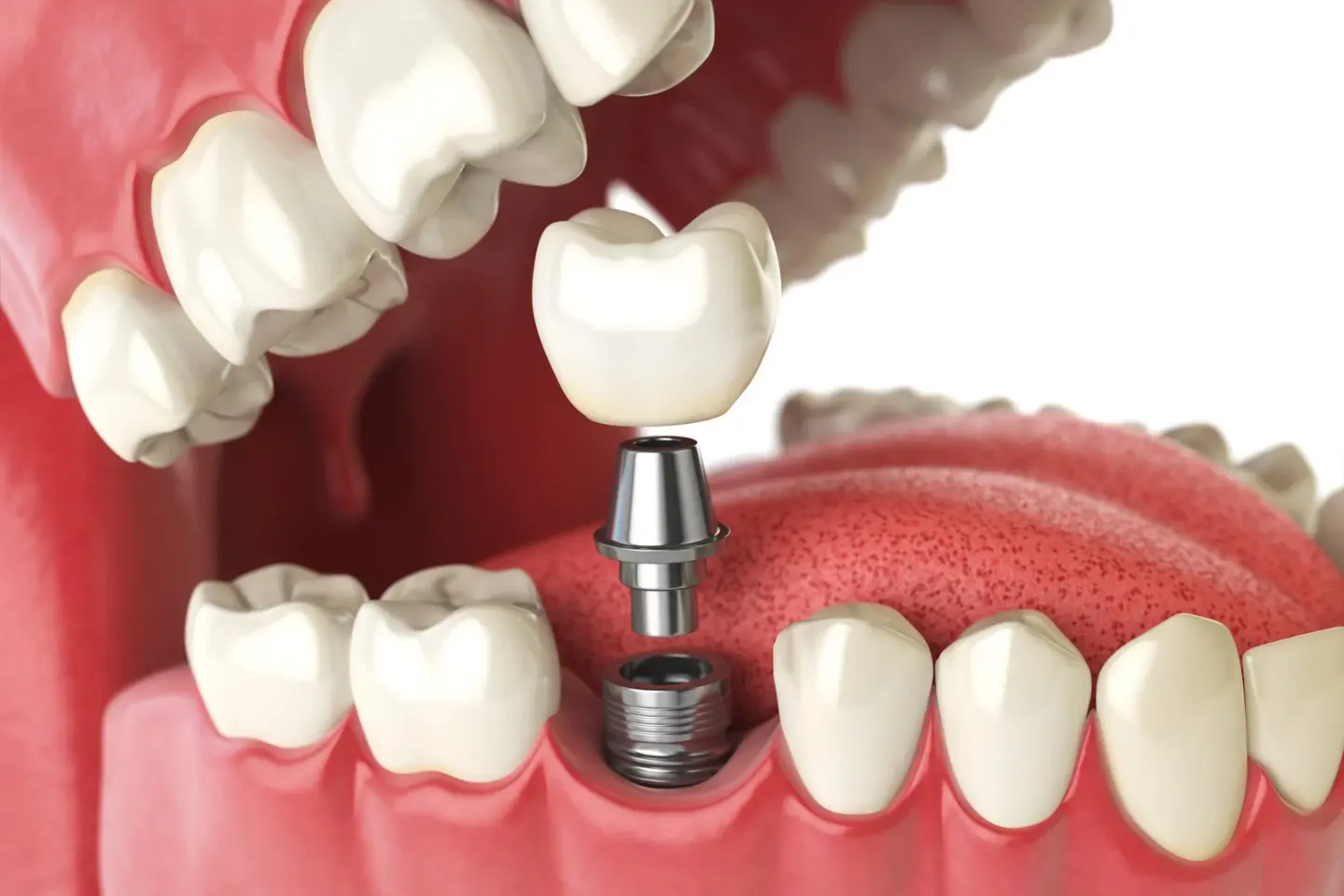
A dental implant consists of several components, including the implant post, abutment, and dental crown. Each part can have a different lifespan.
The titanium or other biocompatible implant post is designed to integrate with the jawbone through a process called osseointegration. Once successfully integrated, it can remain stable for many years.
The dental crown sits on top of the implant and is exposed to chewing forces, food, and daily wear. Crowns commonly need replacement sooner than the implant itself.
Several factors affect how long dental implants last, including:
- Oral hygiene
- Gum health
- Bone density
- Bite forces
- Smoking or tobacco use
- Teeth grinding
- Diet and lifestyle
- Regular dental checkups
- The quality and fit of the restoration
This means there is no single expiration date for every dental implant.
Why Dental Implants Can Last for Decades
Dental implants are different from natural tooth roots because they are made from materials designed to function within the jawbone. Once the implant has integrated with the bone, it provides a firm foundation for the replacement tooth.
A properly maintained implant can withstand normal chewing and biting forces. However, the implant is not completely immune to problems.
The gums around an implant can become inflamed or infected. A condition known as peri-implantitis can affect the tissues and bone supporting an implant. If left untreated, it can compromise implant stability.
This is one reason preventive dental care remains important even after successful implant treatment.
7 Ways to Help Your Dental Implants Last Longer
1. Brush and Floss Every Day
Dental implants do not develop cavities like natural teeth, but the tissues surrounding them can still become infected.
Brush twice a day with a soft-bristled toothbrush and clean carefully around the implant and gumline. Flossing or using an interdental cleaner can help remove plaque from areas your toothbrush cannot reach.
Your dentist may recommend specific cleaning tools depending on the location and design of your implant restoration.
2. Keep Your Gums Healthy
Healthy gums are essential for maintaining the bone and tissues around a dental implant.
Bleeding, swelling, tenderness, redness, or persistent bad breath around an implant should not be ignored. These symptoms can indicate inflammation or infection.
Early evaluation can make treatment easier and may help prevent more serious implant complications.
3. Schedule Regular Dental Checkups
Routine dental visits allow your dentist to monitor the implant, crown, gums, and surrounding teeth.
During an appointment, your dental team can check for plaque buildup, changes in the gum tissue, bite problems, and signs of bone loss.
Regular professional cleanings are also useful for controlling bacteria and tartar that cannot always be removed at home.
4. Avoid Smoking
Smoking can interfere with healing and may increase the risk of complications associated with dental implants.
If you currently smoke, talk with your dentist about ways to protect your oral health before and after implant treatment.
5. Do Not Use Your Implant as a Tool
Even strong dental implants are not designed for habits such as biting fingernails, opening packages, chewing ice, or biting hard objects.
These habits can place unnecessary stress on the crown and surrounding structures.
6. Address Teeth Grinding
Grinding or clenching your teeth can put significant pressure on dental implants and their restorations.
If you grind your teeth at night, your dentist may recommend a custom nightguard to reduce excessive forces.
7. Replace Worn Crowns When Necessary
The implant post may remain stable for many years while the crown eventually becomes worn, damaged, or loose.
Replacing the crown does not necessarily mean the implant has failed. In many cases, the implant can continue supporting a new restoration.
What Can Cause a Dental Implant to Fail?
Dental implant failure is uncommon, but complications can occur.
Early implant failure can sometimes be associated with problems during the healing and integration process. Infection, inadequate bone support, or excessive movement of the implant can interfere with successful integration.
Later problems may involve gum infection, bone loss, excessive biting forces, or damage to the restoration.
The good news is that regular monitoring can help identify many problems before they become severe.
Is an Implant Better Than a Dental Bridge?
The right tooth replacement option depends on your oral health, preferences, and treatment needs.
Dental implants replace the missing tooth root, while a traditional dental bridge generally relies on neighboring teeth for support.
Implants can help preserve jawbone in the area of a missing tooth because the implant post provides stimulation to the surrounding bone.
Your dentist can discuss the advantages and limitations of implants, bridges, and other tooth replacement options during a consultation.
Dental Implants in North Quincy, MA
If you are considering tooth replacement, choosing an experienced dental team is an important part of the process. At Spring Dental, we evaluate your teeth, gums, jawbone, bite, and overall oral health before recommending treatment.
Whether you have recently lost a tooth or have been living with a missing tooth for years, an evaluation can help determine whether dental implants are appropriate for you.
Restore Your Smile With Dental Implants
If you are looking for dental implants in North Quincy, MA, Spring Dental can help you explore your tooth replacement options. Schedule a consultation to discuss your oral health, treatment goals, and whether implant dentistry may be right for you.
FAQ
How many years do dental implants usually last?
The implant post can potentially last for decades with proper care. The crown or other restoration attached to the implant may need replacement sooner because it experiences daily chewing forces and wear.
Can dental implants last a lifetime?
Some dental implants can last a lifetime, but longevity varies between patients. Gum health, oral hygiene, smoking, bone support, bite forces, and regular dental care all influence the long-term outlook.
Can an implant get a cavity?
The implant itself cannot develop a cavity because it is not natural tooth structure. However, the crown can become damaged, and the gum and bone around the implant can develop problems if plaque is not properly controlled.
How often should I visit the dentist after getting an implant?
Your dentist will recommend a schedule based on your individual needs. Regular dental exams and professional cleanings are important for monitoring the implant and the tissues around it.
What should I do if my dental implant feels loose?
Contact your dentist as soon as possible. A loose crown and a loose implant are different issues, and an examination is needed to determine the cause and appropriate treatment.
Visit Our Clinics
Choose your nearest clinic location.

Available Days: Tuesday, Wednesday, Friday, and Saturday
Phone Number: 617-328-0790

Available Days: Monday & Thursday
Phone Number: 617-984-0044


Overview
Services
Support
Privacy Policy | © 2026 Spring Dental | All Rights Reserved | Digital Marketing by Remedo