
10 Common Myths About Invisalign® Clear Aligners and the Truth Behind Them
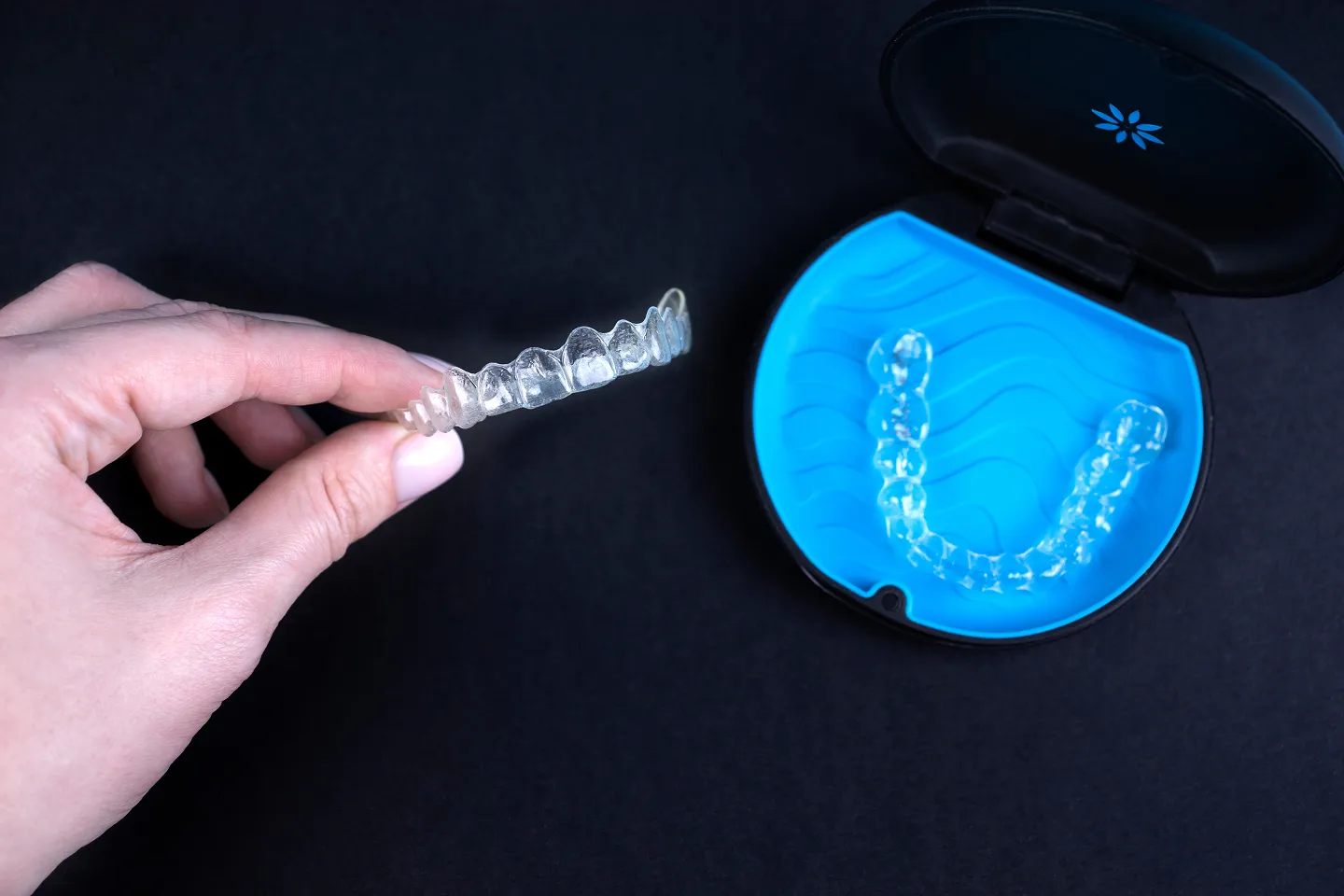
Invisalign® clear aligners have transformed orthodontic care by offering a discreet and flexible alternative to traditional braces. Despite their popularity, many misconceptions still surround Invisalign®, often causing people to delay or avoid treatment altogether.
At Spring Dental, we believe that making informed decisions starts with separating myths from facts. In this blog, we break down 10 of the most common myths about Invisalign® clear aligners and explain the truth behind each one, so you can confidently decide whether this treatment is right for your smile.
Myth 1: Invisalign® Is Only for Minor Cosmetic Issues
The Truth: Invisalign® can treat much more than minor spacing or cosmetic concerns.
While Invisalign® is an excellent option for mild alignment issues, it can also address:
- Crowded teeth
- Gaps between teeth
- Overbites, underbites, and crossbites
- Relapse after previous orthodontic treatment
Advances in aligner technology now allow Invisalign® to treat a wide range of orthodontic cases when properly planned by a dentist.
Myth 2: Invisalign® Doesn’t Work as Well as Braces
The Truth: Invisalign® can be just as effective as traditional braces for many patients.
When worn as directed, Invisalign® aligners apply consistent, controlled pressure to move teeth gradually and precisely. Success depends on:
- Proper treatment planning
- Wearing aligners as prescribed
- Attending follow-up appointments
For suitable cases, Invisalign® delivers predictable and reliable results comparable to braces.
Myth 3: Invisalign® Takes Longer Than Braces
The Truth: Invisalign® treatment time is often similar to—or even shorter than—braces.
Treatment length varies depending on the complexity of your case, but many Invisalign® patients complete treatment in 12 to 18 months, with some seeing results sooner. Compliance plays a major role—wearing aligners as directed helps keep treatment on schedule.
Myth 4: Invisalign® Aligners Are Uncomfortable
The Truth: Invisalign® is generally more comfortable than traditional braces.
While some pressure is normal when switching to a new set of aligners, Invisalign®:
- Has smooth edges with no wires or brackets
- Causes less irritation to cheeks and gums
- Applies gentle, gradual force
Most patients describe Invisalign® discomfort as mild and temporary, especially compared to metal braces.
Myth 5: Invisalign® Is Only for Adults
The Truth: Invisalign® is suitable for both teens and adults.
Invisalign® offers treatment options designed specifically for teenagers, including features that help track wear time. Many teens benefit from Invisalign® because it:
- Is discreet and confidence-friendly
- Fits easily into school and social life
- Allows easier brushing and flossing
Age is not the deciding factor—oral health and treatment goals matter more.
Myth 6: You Can Eat and Drink Anything While Wearing Invisalign®
The Truth: Aligners should be removed before eating or drinking anything except water.
One of Invisalign®’s advantages is flexibility, but this comes with responsibility. Eating or drinking with aligners in place can:
- Damage or stain the aligners
- Trap food and bacteria
- Increase cavity risk
The good news is that you can eat whatever you like—just remove your aligners first and brush before putting them back in.
Myth 7: Invisalign® Requires Constant Dental Visits
The Truth: Invisalign® often requires fewer in-office visits than braces.
Because Invisalign® treatment is digitally planned in advance, patients typically receive multiple aligners at once. Follow-up visits are usually spaced out and focus on monitoring progress rather than frequent adjustments.
This makes Invisalign® a convenient option for busy schedules.
Myth 8: Invisalign® Is Too Expensive
The Truth: Invisalign® costs are often comparable to traditional braces.
The cost of Invisalign® depends on:
- Case complexity
- Treatment length
- Number of aligners required
In many cases, Invisalign® is priced similarly to braces, and insurance may cover part of the treatment. Flexible payment options can also make treatment more accessible than many people expect.
Myth 9: Invisalign® Aligners Are Easy to Lose and Ineffective
The Truth: While aligners are removable, most patients adapt quickly.
It’s true that Invisalign® aligners must be removed for eating and cleaning—but with good habits, losing them is rare. Storing aligners in their case and following a routine helps ensure consistent wear.
Effectiveness depends on wearing aligners 20–22 hours per day, which most motivated patients manage successfully.
Myth 10: Results Don’t Last After Invisalign® Treatment
The Truth: Invisalign® results can be long-lasting with proper retention.
Like all orthodontic treatments, Invisalign® requires retainers after active treatment ends. Teeth naturally shift over time, so retainers are essential to maintaining results.
With proper retainer use and regular dental visits, Invisalign® results can last for many years.
How Invisalign® Really Works
Understanding how Invisalign® works helps clear up many misconceptions.
The Invisalign® Process
Treatment typically includes:
- A digital scan of your teeth
- A customized treatment plan
- A series of clear aligners worn in stages
- Gradual, controlled tooth movement
Each aligner builds on the previous one, guiding your teeth into their ideal positions.
Benefits of Invisalign® Beyond Appearance
While Invisalign® is known for its discreet look, it offers several functional benefits as well.
Additional Advantages
- Easier brushing and flossing
- Fewer food restrictions
- Reduced risk of gum irritation
- Improved comfort and convenience
Straightening your teeth can also improve bite alignment and overall oral health.
Is Invisalign® Right for You?
Invisalign® is an excellent option for many patients, but it is not one-size-fits-all. The best way to know if it’s right for you is through a professional evaluation.
You may be a good candidate if you:
- Want a discreet orthodontic option
- Are committed to wearing aligners consistently
- Have mild to moderate alignment issues
- Prefer flexibility over fixed braces
A personalized consultation ensures the treatment aligns with your goals and needs.
How Spring Dental Helps You Navigate Invisalign®
At Spring Dental, we focus on education, transparency, and personalized care. Our team carefully evaluates each patient to determine whether Invisalign® is the most effective solution.
We emphasize:
- Thorough assessments and digital planning
- Clear explanations of treatment expectations
- Ongoing support throughout the process
- Long-term results and oral health
Our goal is to help patients feel confident, informed, and supported every step of the way.
Final Thoughts
Misinformation can make orthodontic treatment feel confusing or intimidating. By understanding the truth behind common Invisalign® myths, you can make a confident decision about your smile.
Invisalign® clear aligners are a proven, effective, and convenient option for many teens and adults seeking straighter teeth without traditional braces. When guided by experienced dental professionals and paired with patient commitment, Invisalign® can deliver outstanding, long-lasting results.
If you have been considering Invisalign® but held back by myths or misconceptions, a consultation at Spring Dental can provide clarity and personalized guidance—helping you take the first step toward a healthier, more confident smile.
Visit Our Clinics
Choose your nearest clinic location.
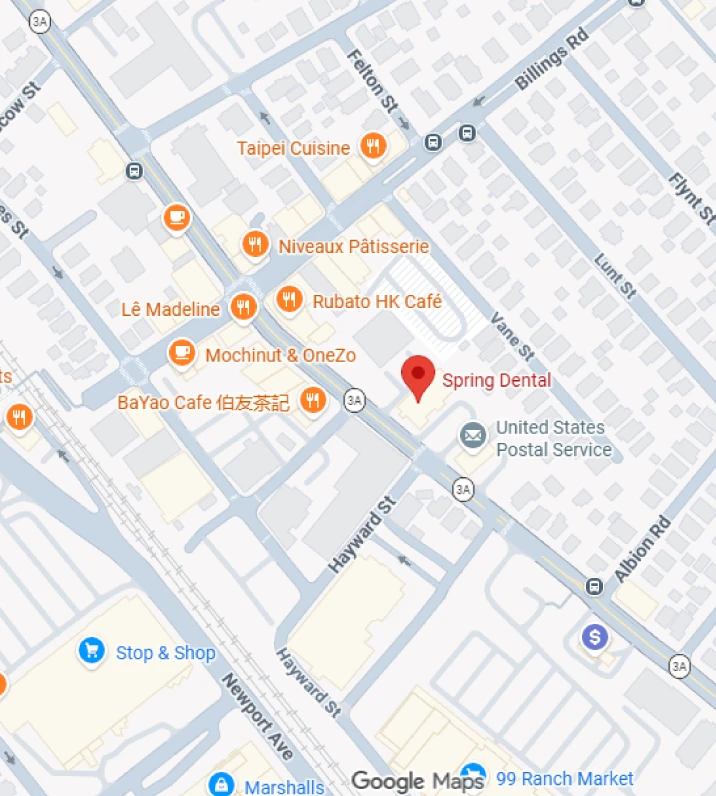
Available Days: Tuesday, Wednesday, Friday, and Saturday
Phone Number: 617-328-0790
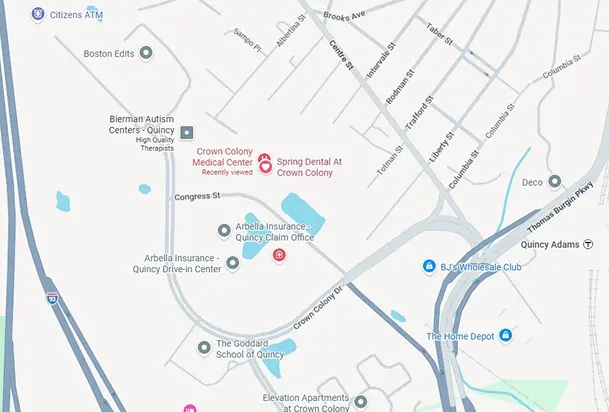
Available Days: Monday & Thursday
Phone Number: 617-984-0044



Overview
Services
Support
Privacy Policy | © 2026 Spring Dental | All Rights Reserved | Digital Marketing by Remedo