
Why Does My Jaw Click Every Time I Eat? Is It TMJ?
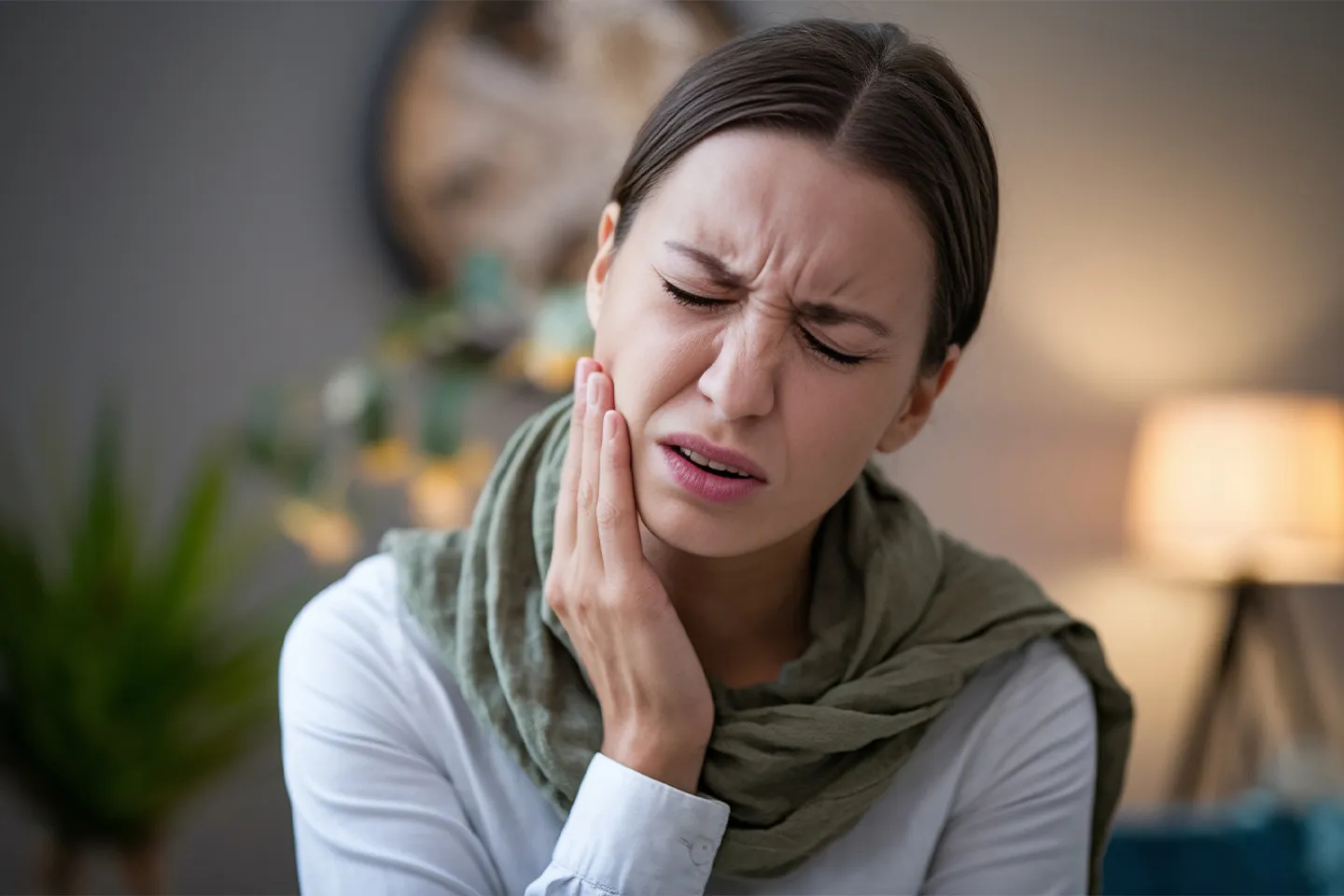
You take a bite, and there it is again: a click or pop somewhere near your ear. It might not hurt, but it's hard not to notice, and even harder not to wonder what's causing it.
Maybe it started gradually, so gradually you can't even remember your first bite without it. Or maybe it showed up suddenly after a particularly wide yawn or a stressful week of clenched jaws. Either way, once you notice a sound your body is making every time you eat, it's difficult to unnotice it.
Jaw clicking when eating is common, and in many cases, it's not something to worry about. But it can also be an early sign of a temporomandibular disorder (TMD), depending on what else comes with it.
Here's what typically causes it, and how to tell the difference between a harmless quirk and something worth having checked.
What Causes Jaw Clicking?
Your jaw joint includes a small disc that helps it move smoothly as you open, close, and chew. Clicking often happens when that disc shifts slightly out of its normal position and then moves back as your jaw continues to open.
It's worth knowing upfront that clicking or popping sounds in the jaw, without pain, are common and are generally considered normal. They don't automatically mean something is wrong or that treatment is needed. In fact, a large share of people notice some jaw sounds at some point without ever developing a related problem.
Here are the most common reasons it happens.
1. A Shift in the Joint's Disc
This is the most common explanation for clicking during chewing. As you open and close your mouth, the disc inside the joint can move slightly, creating a clicking or popping sound. In many people, this happens consistently without causing pain or limiting jaw movement, and it can persist for years without ever progressing into anything more serious.
2. Muscle Tension Around the Jaw
Tight chewing muscles can change how the jaw moves, which sometimes produces clicking or a grating sensation. This tension often builds up gradually and may be more noticeable during activities that use the jaw more, like eating tougher foods or talking for long stretches.
3. Jaw Clenching or Teeth Grinding
Clenching your jaw during the day, or grinding your teeth at night, puts extra pressure on the joint and surrounding muscles. Over time, this can contribute to clicking, along with soreness or stiffness, especially first thing in the morning. Many people aren't even aware they clench until a dentist, partner, or family member points it out.
4. Wear and Tear Over Time
Like other joints in the body, the temporomandibular joint can change with age and repeated use. Gradual wear may make clicking more noticeable, particularly during activities that involve a lot of jaw movement, like eating. This kind of clicking tends to develop slowly rather than appearing overnight.
5. Jaw Injury or Prior Trauma
An old injury to the jaw, even one that seemed to heal fine at the time, tcan sometimes lead to clicking later on. This might involve a direct blow to the jaw, a fall, or even a long dental procedure that kept your mouth open for an extended period. If you can trace your clicking back to a specific incident, that's useful information to share with your dentist.
6. Everyday Habits Like Gum Chewing
Frequent gum chewing, nail biting, or biting down on pens keeps the jaw joint working overtime. Over time, these habits can contribute to clicking, especially when combined with other risk factors like clenching or stress. Cutting back on these habits is a low-effort change that can make a noticeable difference for some people.
Painless Clicking vs. Clicking That Needs Attention
Not all jaw clicking is the same, and the difference usually comes down to what accompanies it.
| Painless Clicking | Clicking That Needs Attention |
|---|---|
| No pain when chewing or opening your mouth | Clicking accompanied by pain or soreness |
| Jaw opens and closes normally | Jaw feels stuck, restricted, or locks briefly |
| Sound is consistent but not worsening | Clicking is new, worsening, or changing in pattern |
| No other symptoms | Comes with ear pain, ringing, or facial pain |
If your clicking falls into the first column, it's generally considered a normal jaw sound rather than a sign of a problem. Many people live with painless clicking for years without it ever becoming an issue worth treating.
Why Does It Seem Worse When I'm Eating?
Chewing puts more demand on the jaw joint than almost anything else you do with it. Talking and yawning involve movement too, but the repeated up-and-down motion of chewing, especially with tougher or chewier foods, tends to make an existing click more noticeable.
This is one reason people often first notice jaw clicking specifically at meals, even if the underlying cause has nothing to do with what they're eating. It's less that food causes the click and more that eating simply puts the joint through its full range of motion repeatedly in a short window of time.
Can Jaw Clicking Be Reduced?
Even when clicking is painless and not considered a problem, some people would still rather it happen less often. A few simple, low-risk changes tend to help:
- Cutting back on gum chewing and other repetitive jaw habits
- Choosing softer foods when your jaw feels more tired or tense than usual
- Noticing and reducing daytime jaw clenching, especially during stressful moments
- Using a warm compress on the jaw if it feels tight before or after meals
None of these are guaranteed to eliminate clicking entirely, especially if it's related to the position of the disc inside the joint. But they can reduce the overall strain on the jaw, which sometimes makes clicking less frequent or noticeable.
When Should You See a Dentist About Jaw Clicking?
Book an appointment if you notice:
- Clicking that's new or has changed recently
- Pain along with the clicking, especially while chewing
- Your jaw locking, catching, or feeling stuck
- Clicking that's gotten louder or more frequent over time
- Ear pain, ringing, or headaches showing up alongside the clicking
A dentist can examine your jaw movement and bite to determine whether the clicking is incidental or connected to a TMD that would benefit from treatment. Bringing a clear description of when the clicking happens, and whether anything else comes with it, will help your dentist assess it faster.
Final Thoughts
Jaw clicking when eating is usually harmless on its own, especially if it's painless and your jaw moves normally otherwise. But when it comes with pain, locking, or other symptoms, it's worth having it checked rather than assuming it will resolve by itself.
If you're unsure which category your clicking falls into, a dental evaluation can give you a clear answer instead of leaving you to guess every time you sit down to eat.
Most importantly, don't let a click alone convince you something serious is happening if nothing else has changed. And don't ignore it either if it's started coming with pain or a jaw that feels less reliable than it used to. The pattern tells you more than the sound itself ever will.
Frequently Asked Questions (FAQs)
1. Is jaw clicking always a sign of TMJ disorder?
No. Painless clicking is common and doesn't necessarily indicate a TMJ disorder. It becomes more relevant when it's paired with pain, locking, or other symptoms.
2. Why does my jaw only click when I eat certain foods?
Chewier or tougher foods require more jaw movement and pressure, which can make an existing click more noticeable, even if the underlying cause isn't food-related.
3. Can jaw clicking get worse over time?
It can, particularly if underlying habits like clenching or grinding aren't addressed. This is one reason it's worth mentioning to your dentist if the pattern changes.
4. Should I stop chewing gum if my jaw clicks?
Reducing gum chewing is a reasonable, low-risk step if you're noticing clicking, since it reduces overall strain on the joint. It's not a guaranteed fix on its own.
5. Can stress cause jaw clicking?
Indirectly, yes. Stress often leads to jaw clenching or teeth grinding, which can contribute to clicking over time.
6. Does jaw clicking mean I'll eventually need treatment?
Not necessarily. Many people have painless clicking for years without it progressing into a condition that needs treatment. It's the accompanying symptoms that usually determine whether treatment is worth discussing.
7. Can I test my own jaw for locking at home?
It's best not to deliberately push or force your jaw to see if it locks. If you're concerned about locking, describe what you've noticed to your dentist and let the exam confirm what's happening.
8. Is it normal for jaw clicking to happen on only one side?
Yes, it's common for clicking to be more noticeable, or only present, on one side. TMJ symptoms are often one-sided rather than affecting both joints equally.
Visit Our Clinics
Choose your nearest clinic location.
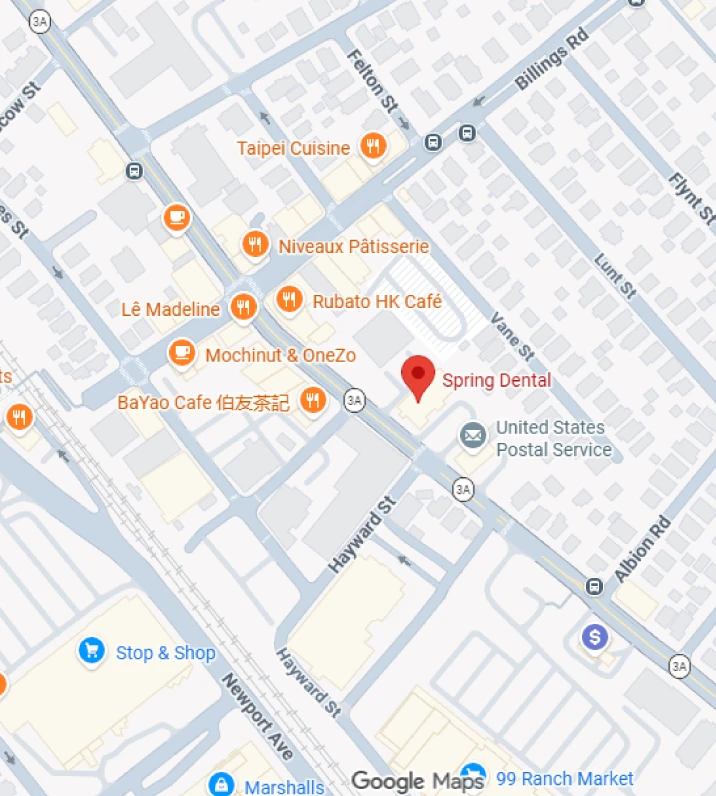
Available Days: Tuesday, Wednesday, Friday, and Saturday
Phone Number: 617-328-0790
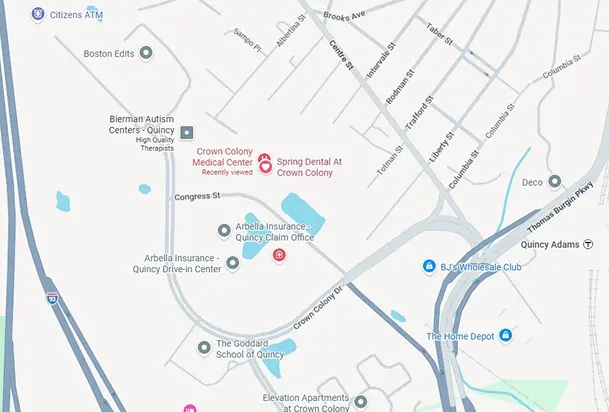
Available Days: Monday & Thursday
Phone Number: 617-984-0044



Overview
Services
Support
Privacy Policy | © 2026 Spring Dental | All Rights Reserved | Digital Marketing by Remedo