
Why Does My Jaw Lock or Get Stuck When I Open My Mouth?

Reaching for a big bite and having your jaw suddenly catch, or stick, is unsettling even when it only lasts a second. If it's started happening more than once, it's not something to brush off.
The first time it happens, most people assume it was a fluke, a yawn that went too wide, or a bite that was simply too big. But when it starts happening again, and again, it stops feeling like a one-off and starts feeling like something you need an answer for.
Jaw locking is a recognized symptom of temporomandibular disorders (TMDs), and it can show up in a couple of different ways depending on what's happening inside the joint.
Here's what typically causes it, and how to tell when it needs attention.
What Does Jaw Locking Mean?
Jaw locking happens when the temporomandibular joint gets briefly stuck, either partway open, fully open, or unable to open beyond a certain point. It's different from ordinary stiffness, since locking involves your jaw catching or getting stuck rather than just feeling tight or sore.
This is one of the more noticeable symptoms of a TMD, alongside jaw pain, clicking, and limited movement. Unlike clicking, which can be painless and harmless, locking usually gets people's attention right away, simply because it interrupts something as basic as opening your mouth.
Here's what tends to cause it.
1. A Shift in the Joint's Disc
The joint contains a small disc that normally moves smoothly as your jaw opens and closes. If that disc shifts out of position and doesn't return on its own, it can physically block the joint from moving normally, causing your jaw to catch or lock. This is one of the more common explanations for locking that happens repeatedly rather than as an isolated incident.
2. Muscle Spasm or Overuse
The muscles that control jaw movement can spasm, particularly after overuse, stress, or holding your mouth open for a long time, such as during a dental procedure. A spasm can make it feel like your jaw is stuck, even when the joint itself is fine. This type of locking often resolves faster than locking caused by a disc issue, once the muscle relaxes.
3. Jaw Clenching or Teeth Grinding
Ongoing clenching or grinding puts repeated strain on the joint and surrounding muscles. Over time, this can make the joint more prone to catching or locking, particularly first thing in the morning after a night of grinding. People who wake up with a stiff or achy jaw are often dealing with this pattern without realizing it.
4. Joint Inflammation
Inflammation inside the joint, whether from overuse, injury, or an underlying condition, can change how the joint moves and make locking more likely, sometimes alongside noticeable swelling or tenderness around the jaw itself.
5. Opening Too Wide
Some people experience the opposite problem: the jaw locks open rather than shut, often after a wide yawn or a large bite. This happens when the jaw moves slightly beyond its normal range and has trouble returning to its resting position. It can feel alarming in the moment, even though it often resolves within a short time.
6. Prior Jaw Injury
A previous injury to the jaw, even one that seemed to heal without issue, can leave the joint more prone to catching or locking later, especially if the surrounding ligaments were affected. This can show up months or even years after the original injury, which makes the connection easy to miss.
7. Stress-Related Muscle Tension
Stress often shows up physically in the jaw before anywhere else. Ongoing tension in the chewing muscles can contribute to episodes of locking, especially when combined with clenching or grinding. If your locking episodes seem to cluster around particularly stressful weeks, that pattern is worth mentioning to your dentist.
Two Types of Jaw Locking
| Closed Lock | Open Lock |
|---|---|
| Jaw won't open beyond a certain point | Jaw gets stuck open and won't close |
| Often linked to the joint's disc shifting out of place | Often happens after opening very wide, like a big yawn |
| May feel like something is physically blocking movement | Can feel alarming but often resolves with gentle repositioning |
| Usually needs a dental evaluation to confirm the cause | Should be evaluated promptly, especially if it doesn't resolve quickly |
Knowing which type you're dealing with can help you describe the episode more clearly to your dentist, which in turn makes it easier for them to narrow down the likely cause. Even if you're not sure which category fits, noting whether your mouth got stuck open or stuck shut is one of the most useful details you can bring to an appointment.
What Should You Do in the Moment?
If your jaw locks, whether open or shut, try to stay calm. Tensing up further tends to make the muscles around the joint tighter, which can make the episode last longer.
For a jaw stuck open, gently relaxing your jaw and letting your mouth droop slightly, rather than forcing it shut, often helps it release on its own. For a jaw that won't open past a certain point, avoid repeatedly forcing it wider to test the limit. Repeated forcing can aggravate the joint further rather than resolving anything.
It also helps to note what you were doing right before the episode, whether it was a wide yawn, a big bite, or nothing unusual at all. That detail, along with whether the lock resolved on its own or needed help, gives your dentist a clearer picture than the locking sensation alone.
When Should You Seek Care for Jaw Locking?
Don't keep pressing or forcing the jaw to test it. Instead, reach out for care if:
- Your jaw gets stuck open and doesn't release within a short time
- Locking is happening repeatedly, not just as a one-off
- Locking comes with significant pain, swelling, or a change in your bite
- You're having trouble eating, talking, or closing your mouth normally
- Locking is paired with clicking, ear pain, or facial pain
If your jaw is stuck open and won't close, or you're in significant pain, seek prompt attention rather than waiting for a routine appointment. Severe pain, high fever, or swelling in the face or jaw needs urgent medical evaluation.
Final Thoughts
Jaw locking, whether your jaw gets stuck shut or stuck open, is a clear sign that something in the joint or surrounding muscles needs attention. Occasional, mild episodes may resolve with simple care, but repeated or worsening locking is worth having evaluated properly rather than treated as a strange quirk to live with. Book an appointment with us.
Paying attention to the details, whether it locks open or shut, how long it lasts, and whether pain or other symptoms come with it, gives your dentist a much clearer starting point than "my jaw gets stuck sometimes." That detail is often what turns a vague symptom into a manageable diagnosis.
Frequently Asked Questions (FAQs)
1. Is jaw locking always related to TMJ disorder?
Limited jaw movement or locking is one of the recognized symptoms of TMJ disorders, though a dentist will still want to confirm the specific cause in your case.
2. What should I do if my jaw locks open?
Stay calm and avoid forcing your jaw closed. Try gently relaxing your jaw muscles. If it doesn't release fairly quickly or happens repeatedly, seek prompt care.
3. Can stress alone cause my jaw to lock?
Stress-related muscle tension can contribute to locking, especially when combined with clenching or grinding, but it's usually one factor among several.
4. Does jaw locking always come with pain?
Not always. Some people experience locking with little pain, while others have significant discomfort. Either pattern is worth mentioning to a dentist.
5. Can jaw locking get worse if I ignore it?
It can become more frequent or severe over time in some cases, which is why repeated locking is worth having evaluated rather than waiting it out indefinitely.
6. Is jaw locking dangerous?
Most episodes aren't dangerous, but a jaw that's stuck open for an extended period or accompanied by severe pain, swelling, or fever needs prompt attention rather than a wait-and-see approach.
7. Why does my jaw only lock occasionally instead of every time I open wide?
Locking often depends on the position of the joint's disc at that specific moment, which is why it can be inconsistent rather than happening every single time you open your mouth.
Visit Our Clinics
Choose your nearest clinic location.
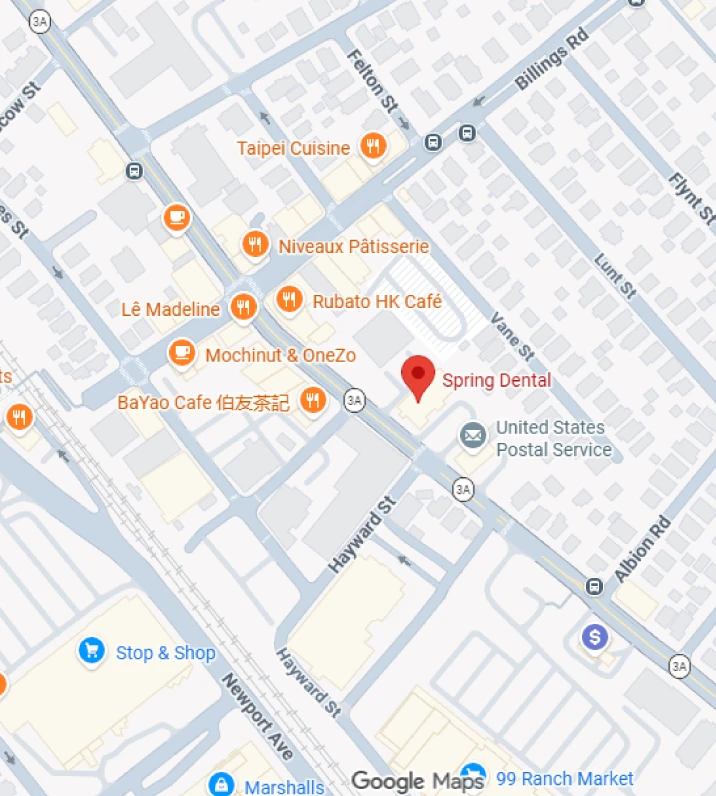
Available Days: Tuesday, Wednesday, Friday, and Saturday
Phone Number: 617-328-0790
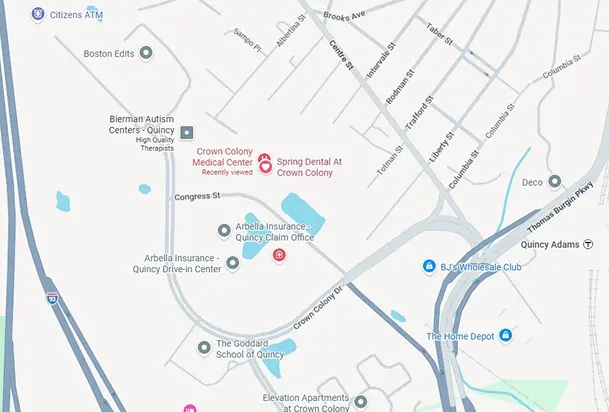
Available Days: Monday & Thursday
Phone Number: 617-984-0044



Overview
Services
Support
Privacy Policy | © 2026 Spring Dental | All Rights Reserved | Digital Marketing by Remedo