
Can TMJ Disorder Cause Ear Pain or Ringing in the Ears?

Ear pain, pressure, or ringing usually sends people looking for an ear infection first. But when the ear checks out fine and the symptoms keep coming back, the jaw is worth a look.
You might have already been to an urgent care clinic or your primary doctor, only to be told your ear looks completely normal. That answer can feel unsatisfying when the symptom itself is very real and hasn't gone away. It's at this point that many people first hear their jaw could be involved.
Temporomandibular disorders (TMDs) can cause ear pain, ringing, and even dizziness. It's one of the lesser-known ways TMJ symptoms show up, and it's easy to miss because it doesn't feel like a typical jaw problem at all.
Here's how the two are connected, and how to tell if your ear symptoms are coming from your jaw.
How Are the Jaw and Ear Connected?
Your temporomandibular joint sits directly in front of your ear canal, close enough that you can feel it move if you place your fingers just in front of your ears and open your mouth. Because of that closeness, and shared muscles and nerves in the area, problems in the jaw joint can be felt as ear symptoms.
This is confirmed by major health bodies that list ringing in the ears, hearing changes, and dizziness among the recognized symptoms of TMDs, alongside more familiar signs like jaw pain and clicking. It's a reminder that the jaw and ear aren't as separate as they might seem, structurally or in terms of how symptoms show up.
So how do you know if your ear symptoms are jaw-related? Here are the signs to watch for.
1. Ear Pain Without an Ear Infection
If you've had your ears checked and there's no infection or fluid buildup, but the pain persists, the jaw is a reasonable next place to look. TMJ-related ear pain often sits in front of or just below the ear, close to where the jaw joint is located, rather than deep inside the ear canal itself.
2. Ringing or Buzzing in the Ears
Ringing in the ears, medically known as tinnitus, is one of the symptoms that can appear alongside TMJ disorders. It doesn't happen for everyone with TMJ symptoms, but when it shows up together with jaw pain or clicking, it's worth mentioning to your dentist rather than treating it as a separate, unrelated issue.
3. A Feeling of Fullness or Pressure
Some people describe a sensation of pressure or fullness in the ear, similar to the feeling during a flight or a cold, without any of the usual causes present. This can be linked to tension in the muscles surrounding the jaw joint, which sit close enough to the ear to create that sensation.
4. Ear Symptoms That Come and Go With Jaw Movement
A useful clue is whether your ear symptoms change when you open your mouth wide, chew, or clench your jaw. If pain or ringing shifts with jaw movement, that's a strong sign the jaw is involved rather than the ear itself. Try paying attention the next time you eat something that requires a lot of chewing, and notice whether your ear symptoms shift along with it.
5. Dizziness Alongside Jaw Discomfort
Dizziness is another symptom linked to TMDs. On its own, dizziness has many possible causes, so it's the combination with jaw pain, clicking, or stiffness that points toward a jaw-related explanation rather than dizziness by itself.
6. Symptoms on One Side That Match Your Jaw Pain
TMJ symptoms are often one-sided. If your ear pain or ringing is on the same side as your jaw pain or clicking, that alignment is a meaningful clue that the two are connected, especially if an ear exam hasn't turned up anything on that side.
7. Ear Symptoms Paired With Clicking or Locking
When ear pain or ringing shows up alongside jaw clicking, popping, or a jaw that feels stuck or restricted, it's a stronger signal that a TMD is behind the ear symptoms rather than a separate ear condition. The more of these signs that overlap, the clearer the picture becomes.
Ear Infection or Jaw-Related Symptom?
Since both an ear infection and a TMJ-related symptom can start with pain or a strange sensation in the ear, it helps to know what tends to separate the two.
| Ear Infection | Jaw-Related Ear Symptom |
|---|---|
| Often comes with fever, drainage, or hearing changes tied to illness | Usually appears without fever or drainage |
| Pain tends to be constant regardless of jaw movement | Pain or ringing often changes with chewing, talking, or clenching |
| An ear exam typically shows visible signs (fluid, redness, swelling) | An ear exam often comes back clear |
| May follow a cold, sinus infection, or water exposure | Often appears alongside jaw pain, clicking, or stiffness |
This isn't a substitute for a proper diagnosis, but it's a useful starting point for deciding which symptoms to mention first when you see a provider.
Why Do Ear Symptoms Get Missed as a TMJ Sign?
Ear symptoms are usually the first thing people mention to an ENT or their primary doctor, simply because that's where the sensation is felt. It's a completely reasonable instinct. But when the ear exam comes back clear, the jaw connection can get overlooked unless someone specifically asks about jaw pain, clicking, or recent dental history.
This is part of why it helps to mention any jaw symptoms, even minor ones, whenever you're being evaluated for ear pain or ringing that doesn't have a clear cause. That detail alone can redirect the evaluation toward the right explanation much sooner.
When Should You See a Dentist vs. an ENT?
It's reasonable to start with whichever symptom bothers you more, but a few patterns point specifically toward the jaw:
- Ear symptoms that change with jaw movement or chewing
- Jaw pain, clicking, or stiffness alongside the ear symptoms
- A normal ear exam that hasn't explained your symptoms
- Symptoms that line up on the same side as your jaw discomfort
If an ENT has ruled out an ear-specific cause, or if your symptoms clearly connect to jaw movement, a TMJ evaluation is a logical next step. It's not unusual for people to see both providers before landing on the right explanation, so don't be discouraged if the first appointment doesn't solve it.
When you do see a dentist, mention everything, even symptoms that seem unrelated, like occasional headaches or neck stiffness. TMJ disorders often show up as a cluster of symptoms rather than one isolated complaint, and small details can help connect the pattern faster.
Final Thoughts
Ear pain and ringing aren't the first symptoms most people associate with TMJ disorders, but they're recognized signs of it. If your ears have been checked with no clear answer, and you also notice jaw pain, clicking, or stiffness, it's worth having your jaw evaluated too, rather than continuing to search for an ear-specific explanation that isn't there. Book an Appointment with us.
Getting an accurate answer usually takes connecting the dots between symptoms that seem unrelated at first. A dentist experienced with TMJ disorders is well positioned to make that connection, especially once the ear itself has already been ruled out as the source.
Frequently Asked Questions (FAQs)
1. Can TMJ really cause tinnitus?
Ringing in the ears is listed among the symptoms that can accompany TMJ disorders. It doesn't affect everyone with TMJ symptoms, but it's a recognized connection.
2. Why does my ear hurt more when I chew?
If ear pain intensifies with jaw movement, it suggests the jaw joint, not the ear itself, is the source of the discomfort.
3. Should I see an ENT or a dentist first for ear pain?
If your ear has already been checked and shows no infection or other ear-specific cause, and you also have jaw symptoms, a dentist who evaluates TMJ disorders is a reasonable next step.
4. Can TMJ cause dizziness?
Dizziness is one of the symptoms that can occur alongside TMJ disorders, especially when it appears together with jaw pain or clicking.
5. Will treating my TMJ symptoms also help my ear symptoms?
For many people, yes, since the ear symptoms stem from the jaw issue itself. Improvement often depends on how well the underlying TMJ symptoms respond to treatment.
6. Is it common for TMJ-related ear symptoms to be missed at first?
Yes. Since the symptom is felt in the ear, it's natural to seek out an ear specialist first. The jaw connection often only comes up once an ear exam has ruled out other causes.
7. Can both ears be affected by TMJ at the same time?
It's possible, but TMJ symptoms, including ear-related ones, are more commonly one-sided, matching whichever side of the jaw is more affected.
Visit Our Clinics
Choose your nearest clinic location.
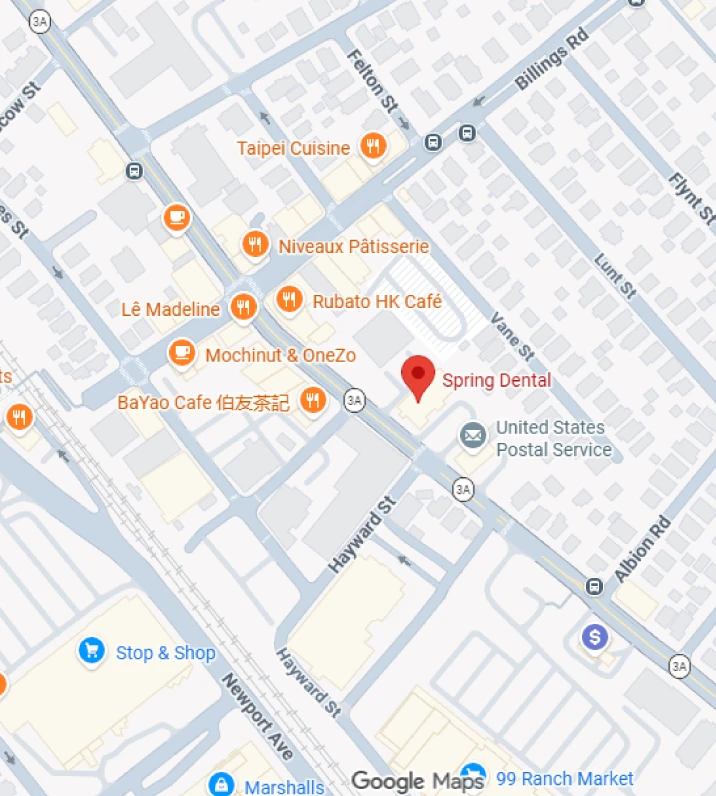
Available Days: Tuesday, Wednesday, Friday, and Saturday
Phone Number: 617-328-0790
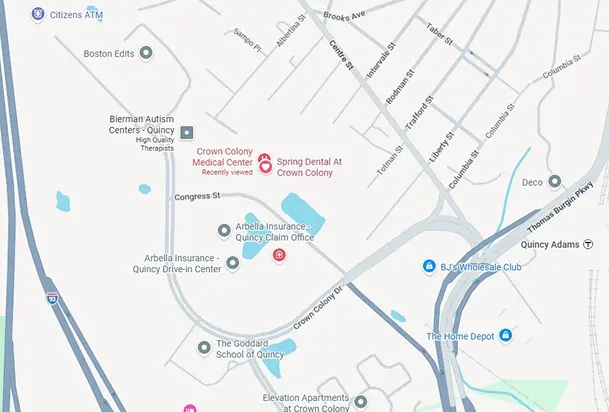
Available Days: Monday & Thursday
Phone Number: 617-984-0044



Overview
Services
Support
Privacy Policy | © 2026 Spring Dental | All Rights Reserved | Digital Marketing by Remedo