
What Are the Most Effective TMJ Treatments Available in North Quincy, MA?

Waking up with a sore jaw, a dull headache, or a neck that feels completely locked in place can ruin your morning before it even starts. If you regularly experience a clicking sound when you chew, or if your jaw occasionally catches when you open your mouth wide, you are likely dealing with a very common problem known as TMJ disorder.
The temporomandibular joint, or TMJ, is the complex hinge that connects your lower jaw to your skull. It works hard every single day, allowing you to talk, chew, yawn, and swallow. Because this joint moves in multiple directions, it is highly vulnerable to stress, misalignment, and strain. When things go wrong, the resulting discomfort can spread throughout your face, head, and neck, making daily life incredibly exhausting.
If you are tired of living with constant jaw tension, finding relief is a top priority. The good news is that you do not have to just live with the pain. At Spring Dental, we look at the root causes of your joint dysfunction to find a solution that works for your long term comfort. Let us look at the most effective TMJ treatments available today so you can understand your options and get your life back on track.
Understanding TMJ Disorder: What is Going Wrong?
To fix jaw pain, it helps to know what is actually happening inside the joint. The TMJ is a unique ball and socket joint that contains a small, protective disc made of cartilage. This disc acts like a shock absorber, preventing the bones from rubbing directly against each other as your jaw slides back and forth.
When people talk about having "TMJ," they are usually referring to temporomandibular disorders, or TMD. This happens when the joint gets inflamed, the protective disc slips out of its proper position, or the surrounding muscles become severely fatigued from overuse.
Common Symptoms of TMJ Problems
TMJ issues can show up in a variety of ways, and the symptoms often mimic other medical conditions like ear infections or sinus problems. Many patients experience:
- A loud popping, clicking, or grinding sound when opening or closing the mouth.
- A locked jaw condition, where the mouth becomes stuck open or closed.
- Chronic facial pain, especially around the ears, temples, and cheeks.
- Frequent tension headaches that start in the morning and last all day.
- Unexplained ear pain, ringing in the ears, or a feeling of fullness in the ear canal.
- Shoulder and neck stiffness caused by muscle compensation.
The Root Causes of Jaw Pain and Dysfunction
Before a dental professional can recommend a treatment plan, they need to identify the hidden factors driving your joint strain. TMJ issues rarely develop out of nowhere; they are usually the result of a combination of physical and lifestyle factors.
Stress and Teeth Grinding (Bruxism)
The most common trigger for TMJ pain is nocturnal bruxism, which is the medical term for grinding or clenching your teeth while you sleep. When you are stressed or anxious, your body often releases that tension by tightening your jaw muscles at night. This places massive, unnatural pressure on the joint and forces the surrounding muscles to work overtime for hours on end, leading to severe morning fatigue and inflammation.
Misalignment and Physical Trauma
Your bite alignment plays a major role in how your jaw moves. If you have crooked teeth, a crossbite, an overbite, or missing back teeth, your jaw has to shift sideways or forward to chew your food. Over time, this uneven chewing pattern forces one side of the joint to bear too much weight, leading to structural wear and tear. Physical injuries, such as whiplash from a car accident or a direct blow to the face during sports, can also displace the internal cartilage disc permanently.
The Most Effective Non-Surgical TMJ Treatments
Many patients worry that fixing a jaw issue requires invasive surgery or a long, painful medical recovery. In reality, the vast majority of TMJ cases can be successfully managed and resolved using conservative, non-surgical therapies that focus on resting the joint and retraining the muscles.
Custom Oral Appliance Therapy (Nightguards)
The absolute gold standard for treating stress-related jaw pain is a custom oral appliance, often called a nightguard or stabilization splint. This is a slim, highly durable acrylic tray made from an exact digital model of your teeth.
You wear this guard over your upper or lower teeth while you sleep. A custom nightguard does two major things. First, it acts as a physical barrier, preventing your teeth from locking together and wearing down your enamel. Second, and more importantly, it is carefully designed to change the angle of your bite slightly, relaxing the jaw muscles and taking the heavy pressure off the temporomandibular joint. This allows the joint structure to heal while you rest.
Physical Therapy and At-Home Stretching
Just like an injured knee or shoulder benefits from targeted physical therapy, your jaw responds incredibly well to specialized muscle exercises. A dentist or physical therapist can teach you gentle, controlled movements designed to increase your jaw's range of motion, strengthen weak muscles, and stretch out tight tissues. Applying a combination of moist heat and cold ice packs to the side of your face can also increase blood flow, reduce muscle spasms, and alleviate acute pain quickly.
Lifestyle Adjustments and Diet Changes
Making a few simple changes to your daily habits can give your jaw joint a much needed break. If you are experiencing a severe flare-up of pain, switching to a soft food diet for a couple of weeks can help tremendously. Stick to foods like yogurt, scrambled eggs, mashed potatoes, and smoothies that do not require aggressive chewing.
You should also avoid chewing on ice cubes, gum, or hard candies. Be mindful of your posture during the day; slouching over a computer screen pulls your neck forward, which naturally places extra strain on your jaw alignment.
Medication and Trigger Point Injections
When lifestyle changes and nightguards are not enough to break the cycle of chronic pain, medical support can provide immediate relief. Over the counter anti-inflammatory medications like ibuprofen can help manage acute swelling inside the joint capsule.
For severe cases where the facial muscles are locked in a painful, continuous spasm, trigger point injections can be highly effective. Therapies that relax the overactive muscles can safely calm the area down for several months, giving your body time to heal and respond to other conservative treatments.
Advanced Care Options for Complex TMJ Cases
If a patient has an underlying structural defect or a severe bite misalignment that keeps triggering joint pain, basic lifestyle changes might only offer temporary relief. In these complex situations, advanced dental treatments are needed to create long-term stability.
Orthodontic Alignment and Bite Correction
If your jaw pain is caused by teeth that do not fit together properly, correcting your bite with orthodontic care can solve the problem permanently. Treatments like clear aligners or traditional braces move your teeth into their ideal positions, ensuring that your chewing forces are distributed evenly across your entire mouth. This removes the constant stress from your TMJ and allows your jaw to open and close in a natural, straight path.
Ready to Find Relief from Jaw Pain? Contact Spring Dental Today
Living with chronic jaw tension, clicking, and tension headaches can make it hard to enjoy the simple pleasures of life, from eating your favorite meals to speaking clearly. You do not have to let joint discomfort control your daily routine or ruin your sleep.
At Spring Dental, we combine advanced diagnostic technology with a gentle, patient-first approach to help you find the underlying cause of your jaw trouble. Our experienced team is dedicated to providing personalized care that restores your comfort, improves your bite, and protects your long-term health. Whether you need a custom nightguard or an advanced evaluation, we are here to support you every step of the way. Contact our office today to schedule a consultation with a trusted team at our dental clinic in North Quincy, MA.
Frequently Asked Questions About TMJ Treatment
How long does it take for TMJ treatment to work?
The timeline for relief depends entirely on the severity of your condition and the specific treatment used. Many patients who receive a custom nightguard notice a significant reduction in their morning jaw soreness and headaches within the first one to two weeks of consistent use. For structural issues or long-term joint inflammation, it may take a few months of coordinated therapy to achieve complete, stable comfort.
Can TMJ go away on its own?
If your jaw pain was triggered by a temporary phase of high stress or an isolated incident like opening your mouth too wide at a dental visit, the symptoms may fade on their own once the muscle rests. However, if your pain is caused by chronic teeth grinding, structural arthritis, or a misaligned bite, the issue will likely get worse over time without professional intervention.
Why shouldn't I just buy a cheap mouthguard from a sports store?
Store-bought, boil-and-bite sports guards are designed to protect your teeth from sudden physical trauma, not to treat joint disorders. They are typically made of a soft, chewy plastic that actually encourages you to chew and clench your jaw more during the night. Furthermore, because they are not custom-fitted to your unique bite, they can inadvertently shift your teeth and make your TMJ alignment significantly worse.
Is jaw surgery ever required for TMJ?
Surgical intervention is considered a last resort and is only recommended for a very small percentage of patients. Surgery is typically reserved for individuals with severe structural damage, advanced joint arthritis, or a completely displaced cartilage disc that makes it impossible to open the mouth. The vast majority of cases can be resolved with conservative, non-surgical options.
Visit Our Clinics
Choose your nearest clinic location.
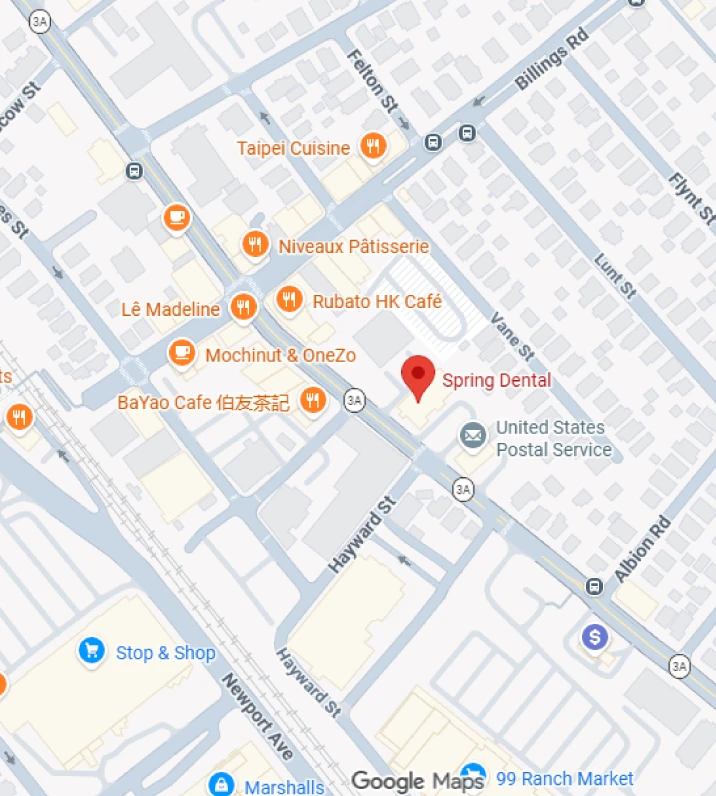
Available Days: Tuesday, Wednesday, Friday, and Saturday
Phone Number: 617-328-0790
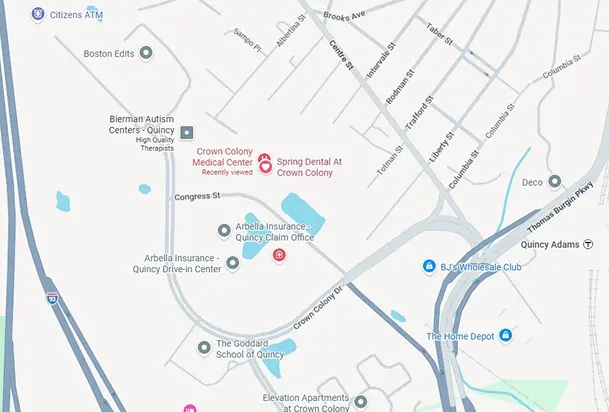
Available Days: Monday & Thursday
Phone Number: 617-984-0044



Overview
Services
Support
Privacy Policy | © 2026 Spring Dental | All Rights Reserved | Digital Marketing by Remedo