
The Stages of Tooth Decay — From Invisible Damage to Painful Cavities
Introduction: Understanding Tooth Decay Before It Hurts
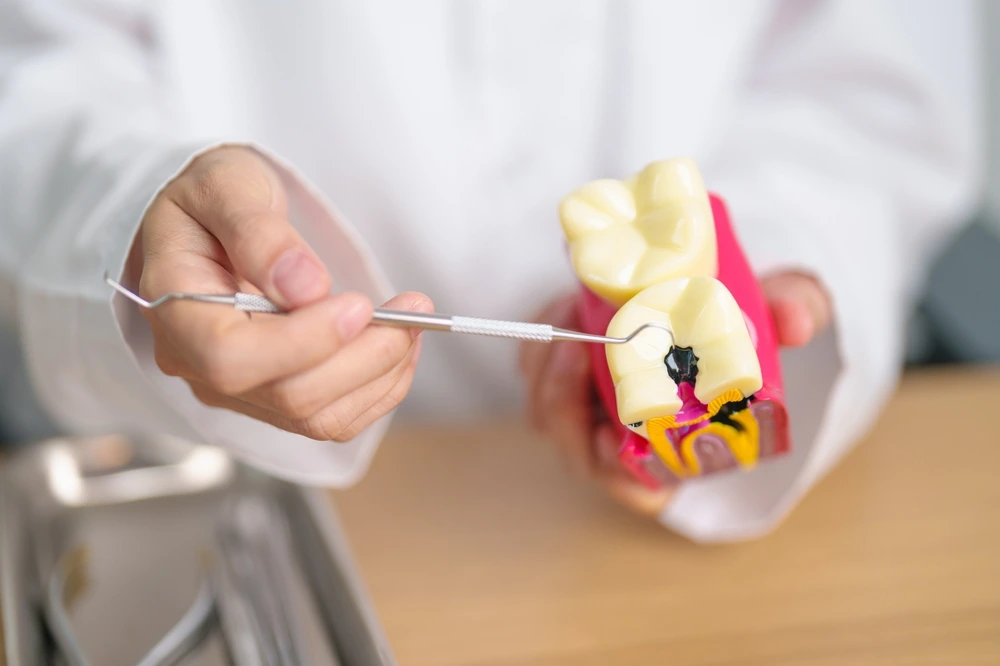
Tooth decay doesn’t happen overnight — it’s a slow, silent process that can take months or even years before pain sets in. Many people believe cavities appear suddenly, but in truth, decay begins invisibly beneath the surface. Recognizing the stages of tooth decay helps you catch problems early and avoid painful, costly treatments later.
At Spring Dental, we’re passionate about preventive care and early detection. Here’s how decay develops step-by-step — and how you can stop it in its tracks.
Stage 1: Demineralization — The First Sign of Trouble
The earliest stage of tooth decay starts with demineralization, when acids from bacteria in plaque begin to weaken the enamel.
- What happens: Minerals like calcium and phosphate are pulled out of your enamel due to acid attacks from sugary or starchy foods.
- How it looks: You may notice white spots or chalky areas on your teeth — an early sign that enamel is losing strength.
- What to do: Brushing with fluoride toothpaste and maintaining a low-sugar diet can help reverse this stage before a cavity forms.
Spring Dental Tip: Regular dental cleanings and fluoride treatments help remineralize enamel and prevent further erosion.
Stage 2: Enamel Decay — When the Surface Starts Breaking Down
If demineralization continues, the enamel begins to break down, forming tiny holes.
- What happens: Plaque acids erode through the enamel, creating a small cavity.
- How it feels: You might not experience pain yet, but sensitivity to hot, cold, or sweet foods can start.
- What to do: At this stage, only a dentist can stop the decay from spreading. A small dental filling is typically used to restore the tooth.
Spring Dental Insight: Even the smallest cavities can grow rapidly — schedule a checkup if you notice any unusual sensitivity.
Stage 3: Dentin Decay — Sensitivity Takes Over
Once the enamel layer is breached, decay spreads into the dentin, the softer layer beneath the enamel.
- What happens: Dentin contains tiny nerve endings, so damage here leads to increased tooth sensitivity and discomfort.
- How it feels: Sharp pain or tingling when eating or brushing.
- What to do: Early intervention is crucial — your dentist may recommend a larger filling or even a dental crown if much of the tooth structure is affected.
Spring Dental Reminder: Don’t ignore sensitivity — it’s your tooth’s way of asking for help.
Stage 4: Pulp Damage — When Pain Becomes Unavoidable
At this point, decay reaches the pulp, which houses the tooth’s nerves and blood vessels.
- What happens: Bacteria infect the pulp, causing inflammation and severe pain.
- How it feels: Throbbing pain, swelling, or even sensitivity that lingers long after eating or drinking.
- What to do: The damage is now irreversible. You’ll likely need root canal therapy to save the tooth and stop the infection from spreading.
Spring Dental’s Approach: Our gentle root canal treatments remove infection while preserving your natural tooth structure.
Stage 5: Abscess Formation — The Final, Painful Stage
When decay is ignored, infection spreads beyond the tooth root, leading to a dental abscess — a pocket of pus caused by bacteria.
- What happens: The infection can affect your jawbone, gums, and even other teeth.
- How it feels: Intense pain, swelling, and sometimes fever or swollen lymph nodes.
- What to do: This is a dental emergency. Your dentist will need to drain the abscess and may perform root canal therapy or extraction to stop the infection.
Spring Dental Emergency Care: If you suspect an abscess, seek treatment immediately — prompt care can prevent complications and protect your oral health.
How to Prevent Tooth Decay Before It Starts
Tooth decay may be common, but it’s also 100% preventable with the right care routine:
- Brush twice daily using fluoride toothpaste.
- Floss once a day to remove plaque between teeth.
- Limit sugary snacks and drinks — especially sodas and sticky candies.
- Visit your dentist twice a year for professional cleanings and exams.
- Ask about sealants or fluoride treatments for extra protection.
Spring Dental Prevention Plan: Our preventive checkups are designed to catch early signs of decay, protect your enamel, and keep your smile healthy year-round.
When to Visit Your Dentist
Don’t wait for pain to become your signal.
You should book an appointment if you experience:
- Tooth sensitivity that lasts more than a few seconds
- Visible white or brown spots on your teeth
- Discomfort when biting or chewing
- Persistent bad breath or a sour taste
Early visits help your dentist stop decay before it turns into a serious problem.
Conclusion: Stop Tooth Decay Before It Stops Your Smile
Tooth decay is a progressive process — and once it starts, it doesn’t stop on its own. The good news? With preventive dental care, fluoride protection, and regular checkups, you can stop decay in its earliest stages and maintain a bright, healthy smile.
At Spring Dental, we use advanced diagnostic tools and gentle treatments to detect decay early and restore your teeth comfortably.
Don’t wait for tooth pain to tell you something’s wrong. Schedule your preventive dental exam with Spring Dental today and protect your smile from decay — before it’s too late!
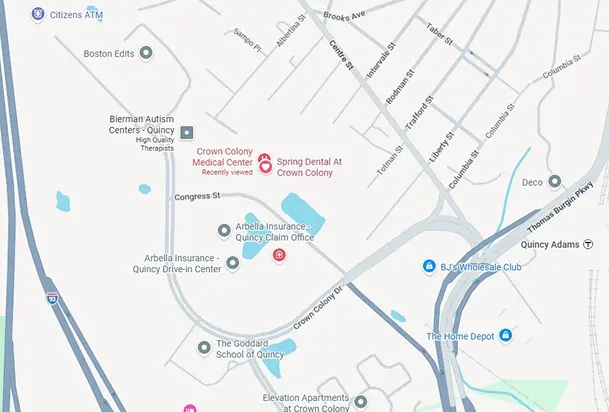
Visit Our Clinics
Choose your nearest clinic location.

Available Days: Tuesday, Wednesday, Friday, and Saturday
Phone Number: 617-328-0790
Available Days: Monday & Thursday
Phone Number: 617-984-0044



Overview
Services
Support
Privacy Policy | © 2026 Spring Dental | All Rights Reserved | Digital Marketing by Remedo