
Emergency Dentistry in Crown Colony Quincy, MA

Emergency Dentistry in Crown Colony Quincy, MA
Dental emergencies can happen unexpectedly, whether you experience a sudden toothache, break a tooth while eating, or develop swelling around your gums. When dental pain or an injury occurs, getting the right care promptly can help relieve discomfort, protect your teeth, and prevent the problem from becoming more serious.
At Spring Dental, we understand that dental emergencies can be stressful. Our team provides emergency dental care in Quincy, MA, to help patients address urgent dental problems and understand their treatment options.
If you are experiencing a dental emergency in Crown Colony, Quincy, MA, contact Spring Dental to discuss your symptoms and determine the next steps. Our Crown Colony office is located at Crown Colony Medical Center, making it a convenient option for patients seeking dental care in the surrounding area.
What Is Emergency Dentistry?
Emergency dentistry focuses on evaluating and treating dental problems that require prompt attention. These problems may involve sudden pain, damaged teeth, dental infections, injuries to the mouth, or complications involving existing dental restorations.
Some dental concerns can wait for a routine appointment, while others require urgent evaluation to prevent further damage or complications.
An emergency dentist can examine the affected area, identify the likely cause of your symptoms, and recommend appropriate treatment based on your condition.
At Spring Dental, our goal is to help patients understand their dental concerns and access appropriate care when unexpected problems arise.
If you are searching for an emergency dentist in Crown Colony Quincy, MA, contacting a dental office promptly can help you determine how urgently you need to be seen.
Common Dental Emergencies We Can Help Address
Dental emergencies can affect your comfort, eating habits, and daily activities. Recognizing the signs of a dental problem can help you decide when to seek professional care.
1. Severe Toothache
A persistent or severe toothache can result from deep tooth decay, inflammation inside the tooth, a cracked tooth, or a dental infection.
If your tooth pain continues, becomes severe, or interferes with eating or sleeping, contact a dentist promptly. An examination can help identify the cause and determine whether treatment such as a filling, root canal therapy, or another procedure is necessary.
2. Broken, Cracked, or Chipped Tooth
A tooth may crack, chip, or break because of an accident, sports injury, or biting down on something hard.
Even if the damage does not cause immediate pain, it is important to have the tooth evaluated. Depending on the severity of the damage, treatment may involve dental bonding, a filling, a crown, or another restorative procedure.
3. Knocked-Out Tooth
A permanent tooth that has been completely knocked out requires immediate attention. Acting quickly can improve the chances of saving the tooth.
Pick up the tooth by its crown rather than its root. If it is dirty, rinse it gently without scrubbing. If possible, carefully place it back in its socket without forcing it. Otherwise, keep it moist in milk or an appropriate tooth-preservation solution and seek emergency dental care immediately.
For a knocked-out permanent tooth, time is critical. Contact a dentist immediately while arranging care.
Important: Do not attempt to reinsert a knocked-out baby tooth.
4. Dental Abscess or Infection
A dental abscess is a collection of pus caused by a bacterial infection. It may develop near the root of a tooth or in the surrounding gum tissue.
Possible symptoms include:
- Persistent or throbbing tooth pain.
- Swelling around the gums or face.
- A pimple-like bump on the gums.
- An unpleasant taste in the mouth.
- Pain when chewing.
- Fever or a general feeling of illness.
A suspected dental abscess needs prompt professional evaluation. Dental infections do not reliably resolve on their own and may spread if left untreated.
If you experience difficulty breathing or swallowing, or rapidly spreading facial or neck swelling, seek emergency medical care immediately.
5. Lost or Damaged Dental Filling
A filling may become loose or fall out, leaving the affected tooth sensitive or vulnerable to further damage.
If you lose a filling, avoid chewing on that side and contact your dentist for advice. Treatment may involve replacing the filling or evaluating whether additional restoration is needed.
6. Loose or Dislodged Dental Crown
A dental crown protects a damaged or previously treated tooth. If the crown becomes loose or falls out, the underlying tooth may become sensitive or susceptible to further damage.
Keep the crown if you can retrieve it, avoid chewing on the affected tooth, and contact your dentist. Do not use household glue to reattach the crown.
Your dentist will evaluate the tooth and determine whether the crown can be recemented or needs replacement.
7. Injuries to the Gums, Lips, or Mouth
Accidents can cause cuts, bruising, or other injuries to the soft tissues of the mouth.
For minor bleeding, apply gentle, continuous pressure with clean gauze. Dental or medical evaluation may be necessary depending on the severity of the injury.
If bleeding is heavy or does not stop, or if the injury involves the face or jaw, seek urgent medical attention as appropriate.
When Should You Visit an Emergency Dentist?
Knowing when to seek urgent dental care can help you avoid unnecessary discomfort and protect your oral health.
Contact a dentist promptly if you experience:
- Severe or persistent tooth pain.
- A broken or cracked tooth with pain or sensitivity.
- A knocked-out or displaced permanent tooth.
- Swelling around a tooth or gums.
- A suspected dental abscess.
- A lost filling or crown causing significant discomfort.
- A dental injury that affects your ability to bite normally.
- Bleeding from a dental injury that continues despite appropriate pressure.
Some dental problems may not initially cause severe pain but can still require prompt attention.
If you are uncertain whether your symptoms constitute a dental emergency, call Spring Dental and describe what has happened. Our team can advise you on the next appropriate step and whether an urgent appointment is available.
What to Expect During an Emergency Dental Visit
When you visit an emergency dentist, the first priority is to assess the problem, understand your symptoms, and determine the most appropriate treatment.
Although every situation is different, an emergency dental appointment may involve the following steps.
Step 1: Assessment of Your Symptoms
The dental team will ask about your symptoms, when they started, and whether you have experienced any recent injury or dental treatment.
Sharing information about your pain, swelling, medications, and medical history helps the dentist evaluate your condition.
Step 2: Dental Examination
The dentist examines the affected tooth, gums, and surrounding tissues to identify visible damage, signs of infection, or other abnormalities.
Step 3: Diagnostic Imaging When Needed
Dental X-rays may be recommended to evaluate the tooth roots, surrounding bone, or areas that cannot be fully assessed during a visual examination.
The need for imaging depends on your symptoms and the suspected dental problem.
Step 4: Treatment Planning
After evaluating your condition, the dentist explains the findings and discusses appropriate treatment options.
Depending on the problem, treatment may involve repairing a damaged tooth, treating an infection, addressing a lost restoration, or arranging additional care.
Step 5: Follow-Up Care
Some dental emergencies can be addressed during the initial visit, while others require additional appointments.
Your dentist will explain any follow-up treatment, home-care instructions, and symptoms that should prompt you to seek further attention.
At Spring Dental, we encourage patients to ask questions so they can understand their treatment options and make informed decisions about their oral health.
Emergency Dental Treatments
The treatment recommended for a dental emergency depends on the cause and severity of the problem.
Tooth-Colored Fillings
If tooth decay or minor damage affects a tooth, a filling may be recommended to restore the damaged area and protect the remaining tooth structure.
Root Canal Treatment
If the pulp inside a tooth becomes irreversibly inflamed or infected, root canal therapy may help remove the affected tissue and preserve the natural tooth when it can be restored.
Dental Crowns
A crown may be recommended when a tooth has significant structural damage and needs additional protection.
Tooth Extraction
In some cases, a tooth may be too severely damaged or infected to be restored predictably. Extraction may be recommended after the dentist evaluates the tooth and discusses the available options.
Why Choose Spring Dental for Emergency Dentistry?
When a dental emergency occurs, finding a dental team that communicates clearly and evaluates your needs carefully can make a stressful situation easier to manage.
At Spring Dental, we focus on helping patients understand their dental conditions and available treatment options.
Personalized Dental Care
Every dental emergency is different. Our approach begins with evaluating your symptoms and identifying the treatment options appropriate for your oral health needs.
Focus on Patient Comfort
Dental pain and unexpected injuries can be stressful. We aim to provide a welcoming environment where patients can discuss their concerns and understand what to expect during treatment.
Comprehensive Dental Services
Emergency dental problems may require restorative treatment, infection management, or additional dental procedures.
Spring Dental offers a range of general, family, and restorative dental services. The treatment recommended will depend on your diagnosis and the services appropriate for your case.
Convenient Crown Colony Location
Our Crown Colony office is located at Crown Colony Medical Center in Quincy, Massachusetts.
Patients in Crown Colony and nearby communities can contact the office to discuss urgent dental concerns and ask about appointment availability.
Clear Communication About Treatment
We believe patients should understand their dental concerns and the options available to address them.
Our team can explain the findings of your examination, discuss recommended treatment, and help you understand any necessary follow-up care.
If you need an emergency dentist in Crown Colony Quincy, MA, contact Spring Dental as soon as possible to discuss your symptoms.
Contact Spring Dental for Emergency Dentistry in Crown Colony Quincy, MA
Dental emergencies can be painful and disruptive, but prompt evaluation can help identify the cause of your symptoms and determine the right course of action.
Whether you are dealing with a severe toothache, a damaged tooth, a lost filling, or a suspected dental infection, getting professional advice is an important step toward protecting your oral health.
At Spring Dental, we help patients understand their dental concerns and explore appropriate treatment options.
If you are looking for emergency dentistry in Crown Colony Quincy, MA, contact our team to discuss your symptoms and ask about appointment availability.
Emergency Dentistry in Crown Colony Quincy, MA: Frequently Asked Questions
1. What Is Considered a Dental Emergency?
A dental emergency may include severe tooth pain, a knocked-out permanent tooth, a broken tooth with significant damage, a suspected dental abscess, or an injury involving the teeth and surrounding tissues.
If you are unsure whether your symptoms require urgent attention, contact a dentist for guidance.
2. Can I Get a Same-Day Emergency Dental Appointment in Crown Colony, Quincy?
Same-day appointments depend on the office's schedule, the nature of your dental problem, and provider availability. Call Spring Dental at 617-984-0044 to explain your symptoms and ask about urgent appointment availability at the Crown Colony location.
3. What Should I Do if I Have a Severe Toothache?
Rinse your mouth gently with warm water, avoid foods that worsen the pain, and contact a dentist promptly. A severe or persistent toothache may indicate decay, inflammation, or infection that requires professional treatment.
4. Is a Broken Tooth a Dental Emergency?
A broken tooth should be evaluated by a dentist, particularly if it causes pain, sensitivity, bleeding, or difficulty chewing. Significant fractures and injuries exposing the inner tooth tissues may require urgent attention.
5. What Should I Do if My Tooth Gets Knocked Out?
A knocked-out permanent tooth requires immediate attention. Handle it by the crown, rinse gently if dirty, and try to place it back into its socket without forcing it. If that is not possible, keep it moist in milk or an appropriate tooth-preservation solution and seek emergency dental care immediately.
Never attempt to reinsert a knocked-out baby tooth.
6. Can a Dental Abscess Go Away on Its Own?
A dental abscess requires professional evaluation and treatment. Pain may temporarily decrease even when the underlying infection remains. Contact a dentist promptly if you suspect an abscess.
Difficulty breathing or swallowing or rapidly spreading facial swelling requires emergency medical attention.
7. Will Emergency Dental Treatment Be Painful?
Treatment depends on the type of dental problem and the procedure required. Local anesthesia may be used for many dental treatments to help keep you comfortable. Your dentist can explain what to expect and discuss options for managing anxiety or discomfort.
8. How Much Does Emergency Dentistry Cost in Quincy, MA?
The cost depends on the nature of the emergency, the examination and diagnostic procedures required, and the treatment recommended. A filling, root canal, crown, and extraction may have different costs.
Contact Spring Dental to ask about examination fees, treatment estimates, and insurance coverage.
9. Should I Go to an Emergency Room or an Emergency Dentist?
A dentist is generally the appropriate provider for toothaches, broken teeth, and other dental problems that require urgent dental treatment.
However, seek emergency medical care if you have difficulty breathing or swallowing, rapidly spreading facial or neck swelling, uncontrolled bleeding, or a serious injury involving the face or jaw.
Visit Our Clinics
Choose your nearest clinic location.
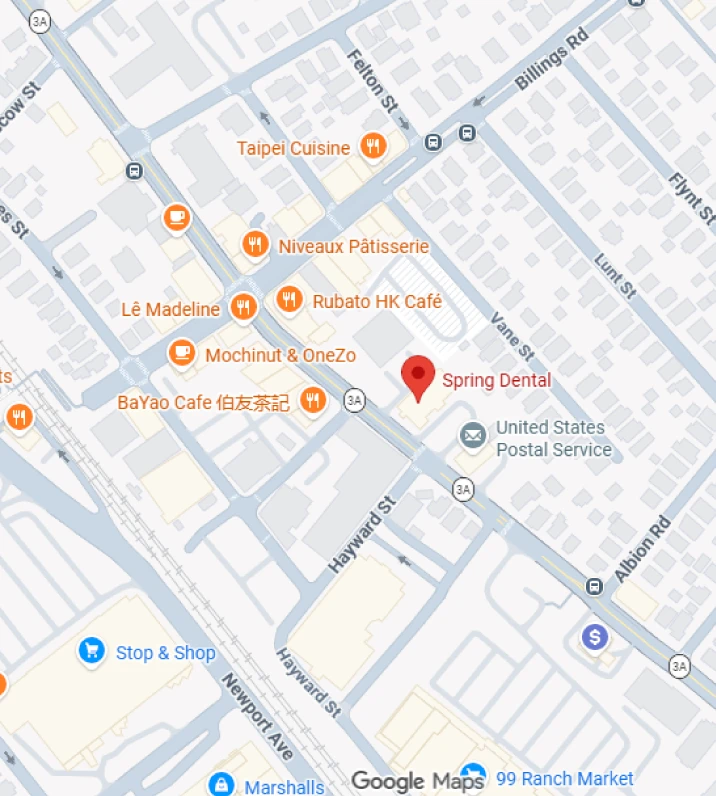
Available Days: Tuesday, Wednesday, Friday, and Saturday
Phone Number: 617-328-0790
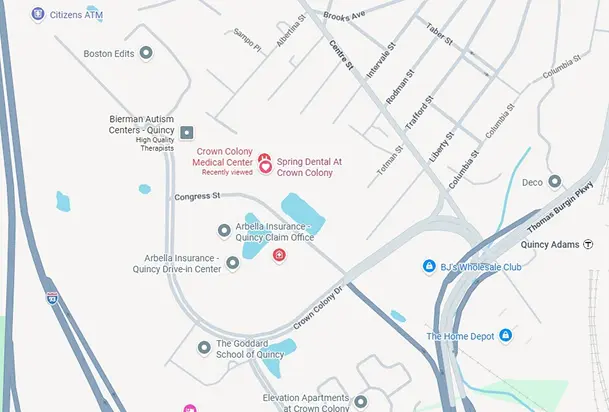
Available Days: Monday & Thursday
Phone Number: 617-984-0044


Overview
Services
Support
Privacy Policy | © 2026 Spring Dental | All Rights Reserved | Digital Marketing by Remedo