
TMJ Treatment in Crown Colony Quincy, MA

Jaw pain, clicking, or a jaw that feels stuck or tired by the end of the day can affect far more than your smile. It can make eating, talking, and even sleeping uncomfortable. TMJ treatment addresses these symptoms at the source: the temporomandibular joint and the muscles that move your jaw.
At Spring Dental, we provide TMJ treatment for patients throughout Crown Colony, Quincy, MA and the surrounding area. Our approach starts with understanding your specific symptoms so we can recommend care that actually fits what's causing them.
Whether you've been dealing with jaw pain for a while or just noticed new clicking or popping, our team is here to help you find relief.
What Is TMJ Treatment?
TMJ treatment refers to care for temporomandibular disorders, or TMDs, a group of conditions affecting the jaw joint and the muscles that control jaw movement. Symptoms can include jaw pain, clicking or popping, limited jaw movement, and even ear pain or ringing in some cases.
There's no single standard test for TMDs. Instead, treatment starts with a detailed conversation about your symptoms and a hands-on exam, so care can be matched to what's actually driving your discomfort rather than a generic protocol.
Signs You May Need TMJ Treatment
It's worth scheduling an evaluation if you notice:
- Jaw pain that doesn't improve on its own
- Clicking, popping, or grating that comes with discomfort
- Your jaw locking or feeling stuck when opening or closing
- Frequent headaches, especially around your temples
- Ear pain, ringing, or a feeling of pressure alongside jaw symptoms
- Signs of teeth grinding, such as worn or sensitive teeth
Many TMJ symptoms develop gradually, which is why it's worth having them evaluated even if they seem mild at first.
Benefits of Getting TMJ Treatment
Relieves Jaw Pain and Tension
Treatment addresses the muscle tension and joint irritation behind ongoing jaw discomfort, rather than just masking the pain.
Reduces Clicking and Locking Episodes
For many patients, treatment helps reduce how often the jaw clicks, catches, or locks during everyday activities like eating and talking.
Addresses Teeth Grinding and Its Effects
Teeth grinding and jaw pain are often connected. Treatment can help protect your teeth while addressing the underlying tension driving the grinding.
Improves Sleep and Daily Comfort
Jaw pain and grinding can disrupt sleep and make everyday activities uncomfortable. Treatment aims to ease these symptoms so daily life feels easier.
Helps Prevent Symptoms From Worsening
Addressing TMJ symptoms early, with conservative care, can help prevent them from becoming more frequent or severe over time.
What Happens During a TMJ Treatment Visit?
Conversation About Your Symptoms
We'll ask about your pain, when it started, what makes it better or worse, and whether you notice clicking, popping, or locking.
Hands-On Jaw Examination
Your dentist will check your jaw's range of motion, listen for joint sounds, and gently check for tenderness in the surrounding muscles.
Review of Your Bite and History
We'll look at how your teeth fit together and ask about habits like clenching, grinding, or gum chewing that may be contributing to your symptoms.
Discussion of Your Diagnosis
You'll get a clear explanation of what's likely happening and why, so the recommended treatment makes sense.
A Conservative Treatment Plan
In most cases, treatment starts with simple, non-surgical steps rather than anything invasive or permanent.
Non-Surgical TMJ Treatment Options We Offer
Most TMJ symptoms respond well to conservative care, which may include:
- Guidance on soft foods and reducing strain on the jaw
- Heat and cold therapy recommendations
- Over-the-counter anti-inflammatory medication guidance
- Custom night guards for clenching or grinding
- Habit and stress management strategies
- Referral to physical therapy when appropriate
Surgery and other invasive procedures are generally reserved for cases that don't respond to conservative treatment, and only after simpler options have been tried.
Teeth Grinding and Jaw Pain: How They're Connected
Teeth grinding, whether during the day or at night, puts repeated strain on the jaw joint and chewing muscles. Over time, this can contribute to jaw pain, clicking, morning stiffness, and worn or sensitive teeth.
If grinding is part of what's driving your symptoms, treatment often includes a custom night guard alongside strategies to reduce daytime clenching and manage stress, since both can make grinding worse.
How Long Does TMJ Treatment Take?
There's no single answer, since it depends on your specific symptoms, how long you've had them, and how your jaw responds to treatment. Many patients notice improvement within a few weeks of starting conservative care, such as habit changes, heat or cold therapy, and a night guard if one is recommended. Others, particularly those with longer-standing symptoms, may need a more layered approach over a longer period.
We'll walk you through what to expect based on your specific evaluation, rather than giving a generic timeline that may not reflect your situation.
Why Patients Choose Spring Dental for TMJ Treatment
An Experienced, Attentive Approach
We take the time to understand your specific symptoms rather than applying a one-size-fits-all treatment.
Personalized Care
Every TMJ case is different. We tailor your treatment plan to your symptoms, history, and daily habits.
A Conservative-First Philosophy
We start with simple, non-invasive treatment and only consider more advanced options if conservative care isn't enough.
Modern Dental Technology
We use current tools to support accurate evaluation and treatment planning for TMJ symptoms.
A Focus on Long-Term Relationships
We're invested in helping you manage your jaw health over time, not just for a single appointment.
Managing TMJ Symptoms at Home Between Visits
Alongside professional treatment, small daily habits can help manage symptoms, including:
- Sticking to softer foods during flare-ups
- Applying heat or cold as recommended
- Noticing and reducing daytime jaw clenching
- Practicing stress management techniques
- Wearing your night guard consistently, if one is recommended
- Avoiding excessive gum chewing or nail biting
Staying consistent with these habits between visits often supports faster, more lasting improvement.
Supporting Jaw Health Throughout Crown Colony, Quincy, MA
TMJ symptoms are common, and for most people, they respond well to conservative, personalized treatment. At Spring Dental, we're proud to provide TMJ treatment for patients throughout Crown Colony, Quincy, MA and nearby communities.
Schedule Your TMJ Treatment Consultation in Crown Colony, Quincy, MA
If you're dealing with jaw pain, clicking, or teeth grinding, our team at Spring Dental is here to help you find the right treatment.
Whether your symptoms are new or you've been managing them for a while, we're committed to providing a clear diagnosis and a treatment plan that fits your needs.
Contact our office today to schedule your TMJ evaluation.
Visit Our Clinics
Choose your nearest clinic location.
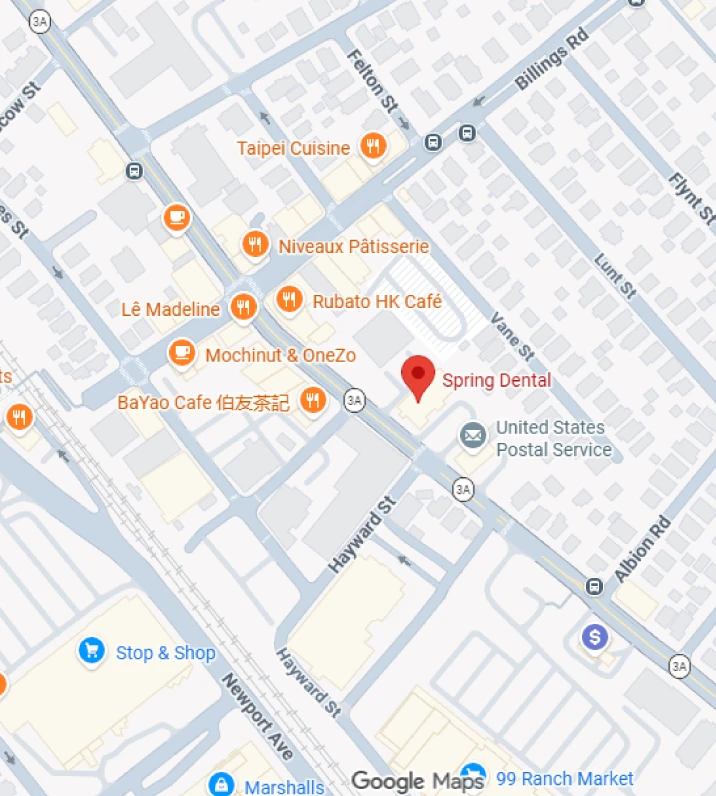
Available Days: Tuesday, Wednesday, Friday, and Saturday
Phone Number: 617-328-0790
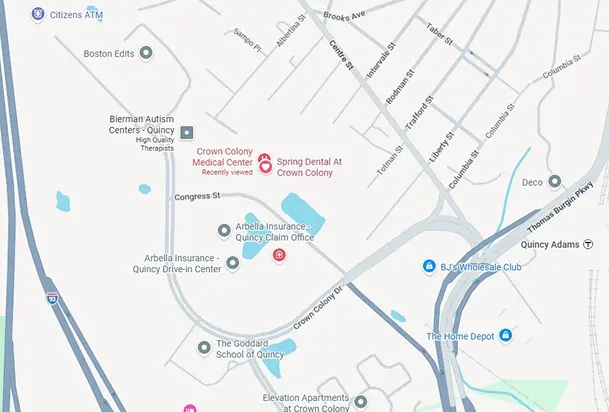
Available Days: Monday & Thursday
Phone Number: 617-984-0044



Overview
Services
Support
Privacy Policy | © 2026 Spring Dental | All Rights Reserved | Digital Marketing by Remedo