
How Long Does TMJ Treatment Take and What Results Can You Expect?

One of the first questions people ask after a TMJ diagnosis is simple: how long is this going to take?
It's a fair question. Jaw pain affects eating, talking, sleeping, and even how you feel about your day, so it's natural to want a clear finish line. The honest answer is that it depends, and it depends on more factors than most people expect going in.
TMJ treatment timelines vary widely from person to person, based on what's causing the symptoms and how the jaw responds to care. Some people notice a difference within days. Others manage symptoms, on and off, for much longer.
Let's look at what actually shapes that timeline, and what results you can realistically expect along the way.
Why There's No Single Timeline for TMJ Treatment
Temporomandibular disorders (TMDs) are actually a group of more than 30 different conditions affecting the jaw joint and the muscles that move it. Some resolve in days. Others take months of ongoing management.
Because of that range, a general timeline only becomes useful once you understand what's driving your specific case. Two people with the same complaint, jaw clicking, for example, can have completely different underlying causes and completely different recovery paths. Here's what typically matters most.
1. How Long You've Had Symptoms
Symptoms that started recently tend to respond faster to simple, conservative care. Longer-standing symptoms, especially ones that have been present for months or years, often take more time and a more layered approach to settle down.
This is one reason dentists usually ask when your symptoms first appeared. It helps set realistic expectations from the start, rather than promising a quick fix for something that's been building for a long time.
2. Whether Your TMD Involves the Joint or the Muscles
TMDs generally fall into a few categories: problems with the joint itself, problems with the chewing muscles, or headaches linked to jaw tension. Muscle-related issues often respond well to habit changes, heat or cold, and physical therapy. Joint-related issues, particularly ones involving the disc inside the joint, can take a bit longer to stabilize.
Your dentist's exam is what determines which category you're likely dealing with, which is part of why a proper evaluation matters more than guessing based on symptoms alone.
3. What Type of Treatment You Start With
Simple, conservative treatment, such as soft foods, anti-inflammatory medication, and stretching, is usually the first step. If that doesn't fully resolve symptoms, additional approaches like physical therapy or a custom oral appliance may be added.
Each added layer of treatment extends the timeline somewhat, but it also means the initial simple steps weren't providing enough relief on their own, which is useful information in itself.
4. How Consistently You Follow the Plan
TMJ treatment often relies on daily habits, like doing jaw stretches, watching for clenching, or avoiding certain foods. Skipping these regularly can slow progress, even if the underlying treatment plan is a good fit.
This isn't about being perfect. It's more that consistency, even imperfect consistency, tends to move things along faster than treating the plan as optional on busy days.
5. Whether Stress or Habits Play a Role
Jaw clenching, teeth grinding, and stress-related tension can undo progress if they're not addressed alongside other treatment. For some people, this means the timeline depends as much on stress management as it does on any dental treatment.
If your symptoms tend to spike during particularly stressful periods, that pattern is worth mentioning to your dentist. It can shift the treatment plan toward habit and stress-focused approaches rather than purely physical ones.
6. Whether Other Conditions Are Involved
TMDs can occur alongside other conditions, including chronic headaches, back pain, sleep problems, and fibromyalgia. When that's the case, treating the jaw alone may not fully resolve symptoms, and the timeline may depend on managing the bigger picture too.
This is another reason your dentist may ask broader health questions during your consultation. A jaw that won't fully settle down despite good treatment sometimes points to a related condition that needs its own attention.
A General Sense of Timeframes
These are broad patterns, not guarantees. Your dentist can give you a more specific expectation based on your exam.
| Care Approach | General Pattern | What This Usually Looks Like |
|---|---|---|
| Self-care alone (soft foods, heat/cold, OTC medication) | Days to a few weeks | Mild, recent symptoms often ease as the jaw settles down. |
| Physical therapy or oral appliances added | Several weeks to a few months | Used when self-care isn't enough on its own. |
| Ongoing or chronic TMD management | Months, with periodic flare-ups | Focus shifts to long-term management rather than a single fix. |
It's worth noticing that even the "ongoing management" category isn't a sign that treatment has failed. Some conditions, like other joint or muscle issues in the body, are simply managed over time rather than cured in a single course of treatment.
What Results Can You Expect?
For many people, "results" means less pain, easier chewing, and fewer clicking or locking episodes. It's worth knowing that painless clicking or popping in the jaw is common and doesn't need to disappear completely to count as a good outcome.
It's also worth knowing that experts recommend staying away from treatments that permanently change your jaw joint, teeth, or bite, since evidence for many of those approaches is limited, and some can make symptoms worse. Good results usually come from a step-by-step approach, not from jumping straight to the most invasive option available.
Progress with TMJ treatment in North Quincy is often gradual rather than dramatic. Fewer flare-ups, shorter episodes, and an easier time with everyday activities like chewing tend to show up before pain disappears completely, and that gradual improvement is still meaningful progress worth recognizing.
It can help to track your symptoms loosely over time rather than judging day to day, since jaw pain naturally has better and worse days even while the overall trend is improving. Looking back over a couple of weeks usually gives a clearer picture than any single day does.
What If Treatment Doesn't Seem to Be Working?
If you've been consistent with a treatment plan for a few weeks and aren't seeing any change, that's worth a follow-up conversation rather than simply pushing through longer. A few things might be happening:
- The underlying cause may be different from what the initial treatment targeted
- A habit like clenching or grinding may be undoing the benefit of other steps
- Another condition, like a sleep issue or chronic headaches, may need attention alongside the jaw
None of these mean your dentist got it wrong. TMJ symptoms can be genuinely tricky to pin down, and adjusting the plan based on how you respond is a normal part of the process, not a sign that something went off track.
When Should You Check Back In With Your Dentist?
Reach out if:
- Symptoms aren't improving after a few weeks of consistent self-care
- Pain is getting worse instead of better
- Your jaw starts locking or your range of motion decreases
- A recommended appliance or treatment is causing new pain
- You develop ear pain, ringing, or dizziness alongside jaw symptoms
Final Thoughts
TMJ treatment timelines depend on your specific symptoms, how long you've had them, and how your jaw responds to care. Most people start with simple, conservative steps, and many see meaningful improvement without ever needing anything more involved. Book an appointment with us.
If it's been a few weeks without progress, that's a good reason to check back in rather than wait it out further. A timeline that isn't working is useful information, not a failure, and it usually just means your treatment plan needs adjusting.
Frequently Asked Questions (FAQs)
1. Can TMJ disorder go away completely?
For many people, symptoms improve significantly or resolve with conservative care. Others manage TMD long-term, similar to other recurring conditions.
2. Why did my dentist recommend trying simple treatment before anything else?
Because many jaw joint and muscle problems are temporary and respond well to conservative steps. Starting simple avoids unnecessary treatment that carries more risk.
3. Is it normal for progress to be slow at first?
Yes. Jaw muscles and joints often respond gradually, especially if symptoms have been present for a while before treatment started.
4. Does stress really affect how fast TMJ treatment works?
It can. Ongoing jaw clenching or grinding linked to stress can offset the benefits of other treatment, which is why stress management is often part of the plan.
5. When should I consider a second opinion?
If your dentist recommends surgery or another permanent procedure, it's reasonable to seek a second opinion, especially from a specialist in orofacial pain, before moving forward.
6. Will my treatment timeline change if my symptoms come back after improving?
It might. A flare-up after a period of improvement doesn't necessarily mean treatment failed. It's worth mentioning to your dentist so the plan can be adjusted rather than starting over from the beginning.
7. Should I expect the same treatment timeline as someone else with TMJ symptoms?
Not necessarily. Even similar symptoms can have different underlying causes, which is why two people can be on very different timelines for what looks like the same problem.
Visit Our Clinics
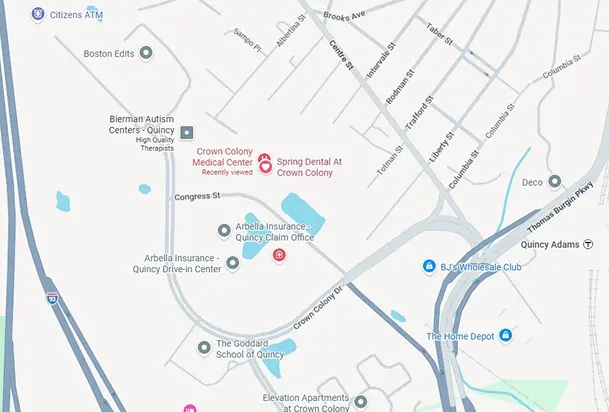
Choose your nearest clinic location.

Available Days: Tuesday, Wednesday, Friday, and Saturday
Phone Number: 617-328-0790
Available Days: Monday & Thursday
Phone Number: 617-984-0044



Overview
Services
Support
Privacy Policy | © 2026 Spring Dental | All Rights Reserved | Digital Marketing by Remedo