
Are There Non-Surgical Options for TMJ Relief?
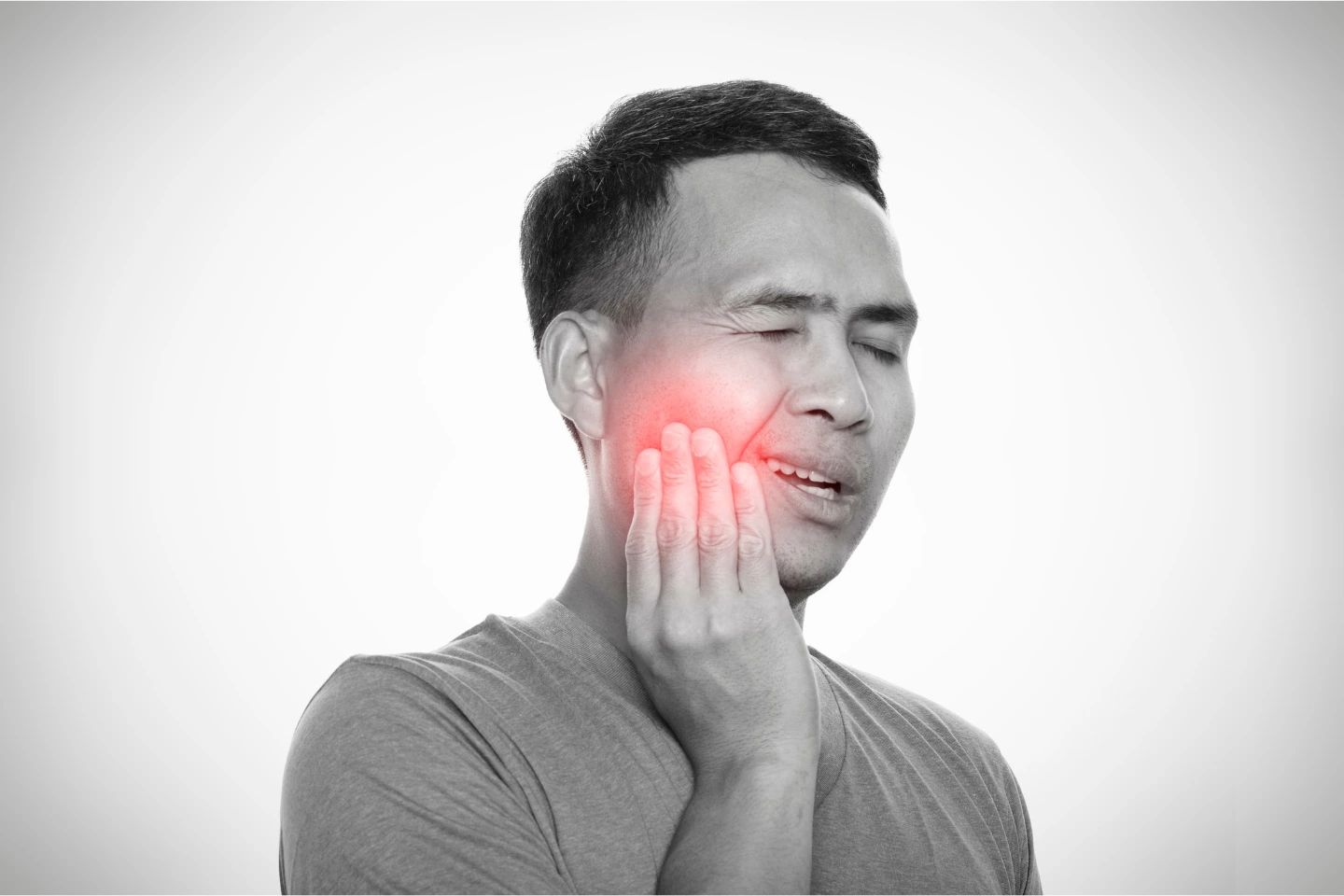
Jaw pain, clicking, or stiffness can make you assume the fix has to be dramatic. In most cases, it doesn't.
Maybe you've already pictured worst-case scenarios: surgery, permanent appliances, months of specialist visits. It's a natural place for your mind to go when a joint you use constantly, for talking, eating, even yawning, suddenly hurts.
For temporomandibular disorders (TMDs), non-surgical TMJ treatment is where care almost always starts, and it's often where it ends too. Many jaw joint and muscle problems are temporary and improve with simple, conservative steps, long before surgery is ever discussed.
So what does non-surgical TMJ relief actually involve? Here's a closer look at the options, in the order they're typically tried.
What Counts as Non-Surgical TMJ Treatment?
Non-surgical TMJ treatment in North Quincy covers any approach that doesn't involve going into the jaw joint itself or permanently changing your teeth or bite. That includes daily habit changes, physical therapy, medication, and appliances like night guards.
Surgery and other invasive procedures are typically only considered when conservative treatment has been tried and hasn't worked, and when symptoms are severe. For most people, that stage never arrives. Experts generally recommend staying away from treatments that permanently alter the jaw joint, teeth, or bite unless simpler options have genuinely failed.
There's also a practical reason non-surgical care comes first: many TMJ symptoms are temporary to begin with. A joint that's simply irritated from a stressful week or a recent teeth-grinding habit often calms down with rest and small adjustments, without ever needing anything more advanced. Starting conservative isn't a lesser option, it's the appropriate first step for the majority of cases.
Here are the non-surgical options worth knowing about, starting with the simplest.
1. A Soft Food Diet
Giving your jaw a break from heavy chewing is often the first recommendation. Softer foods reduce the strain on the joint and muscles while they settle down, similar to resting a sprained ankle instead of running on it.
This doesn't mean a permanent diet change. It's a temporary adjustment, usually recommended alongside other steps, to reduce how hard your jaw has to work each day. Think softer proteins, cooked vegetables, and smoothies over crunchy or chewy foods for a while.
2. Heat and Cold Therapy
Applying heat or cold to the jaw, combined with gentle stretching exercises, is a standard early step in TMJ care.
Cold can help with acute discomfort or swelling, especially if symptoms flared up recently. Heat tends to help relax tight muscles, which is useful if your pain feels more like tension than sharp discomfort. Your dentist can advise on which to use and how often, based on your specific symptoms.
3. Over-the-Counter Anti-Inflammatory Medication
Nonsteroidal anti-inflammatory drugs (NSAIDs), like ibuprofen, are commonly recommended for TMJ pain management. They address both pain and the inflammation that often comes with it.
This is meant as short-term support while other changes take effect, not a long-term solution on its own. If you find you're relying on pain relievers regularly just to get through the day, that's worth mentioning to your dentist rather than continuing on your own.
4. Breaking Habits That Strain Your Jaw
Certain everyday habits put ongoing pressure on the jaw joint without you realizing it, including:
- Clenching your jaw during the day
- Grinding your teeth, especially at night
- Chewing gum frequently
- Biting your nails or chewing on pens
Becoming aware of these habits is often the first step. Many people don't realize how often they clench throughout the day until someone points it out. Reducing them can meaningfully lower the strain on your jaw over time, even without any other treatment added.
5. Physical Therapy and Jaw Exercises
Physical therapy aims to restore normal movement and function in the jaw. One common approach is manual therapy, where a therapist uses their hands to stretch and work the soft tissue around the joint.
This has been shown to help improve function and relieve pain for many people with TMJ symptoms, especially when combined with home exercises your therapist teaches you. Sessions are typically ongoing rather than a single visit, since consistency tends to matter more than any one appointment.
6. Stress Management and Behavioral Approaches
Jaw tension often tracks closely with stress, so managing one can help the other. Useful approaches include:
- Learning relaxation or meditation techniques
- Setting specific, realistic goals for managing symptoms
- Staying engaged in activities that matter to you
For some people, a psychologist-led approach like cognitive behavioral therapy or biofeedback can help. Biofeedback uses sensors to help you notice when you're clenching your jaw so you can consciously relax it. Cognitive behavioral therapy, meanwhile, focuses on identifying thought patterns that may be feeding into muscle tension, and building coping strategies around them.
7. Custom Oral Appliances
Night guards, also called splints or stabilization appliances, fit over your teeth and are sometimes recommended for TMJ symptoms, particularly if clenching or grinding is a factor.
A few things are worth knowing before using one:
| What to Know | Why It Matters |
|---|---|
| Evidence is mixed | Appliances help some people, but they're not a guaranteed fix for everyone. |
| Should never permanently alter your bite | A properly designed appliance protects your teeth without changing how they meet. |
| Stop and follow up if it causes pain | Discomfort from an appliance is a signal to check in with your dentist, not push through. |
If a night guard is recommended, ask your dentist what specific symptom it's meant to address, and how you'll know if it's working. A good appliance should feel like a tool aimed at a clear problem, not a one-size-fits-all fix handed out before your symptoms are fully understood.
Complementary Approaches You Might Come Across
A couple of additional treatments sometimes come up in TMJ care, usually alongside the options above rather than instead of them.
Acupuncture is one example. It involves stimulating specific points on the body, often with thin needles, and some people report relief from jaw tension after sessions, though the evidence supporting it for TMJ specifically is limited.
Transcutaneous electrical nerve stimulation, or TENS, is another. It uses a small battery-powered device with electrodes placed on the skin to deliver mild electrical impulses, which may change how pain is perceived. Some small studies suggest it can help with pain and jaw movement, though the research so far has been limited in scale.
Neither of these is typically a first-line treatment, but they can be reasonable additions if your dentist thinks they're appropriate alongside your main treatment plan.
When Should You See a Dentist About TMJ Pain?
Conservative care resolves a lot of TMJ symptoms on its own, but it's worth booking an appointment if you notice:
- Pain that doesn't improve after a few weeks of self-care
- Jaw locking, or a noticeably restricted range of motion
- Pain that's getting worse instead of better
- Symptoms that interfere with eating, sleeping, or talking
- Ear pain, ringing, or dizziness alongside jaw symptoms
A dentist can confirm what's going on and make sure you're not missing a step that would help you feel better faster. Trying to self-diagnose for too long can sometimes delay a treatment that would have worked well earlier on.
It also helps to keep a simple log for a week or two before your appointment, noting when pain flares up, what you were doing, and what you tried that helped or didn't. That kind of detail makes it easier for your dentist to match a treatment to your specific pattern instead of starting from scratch.
Final Thoughts
Non-surgical TMJ treatment covers more ground than most people expect, from soft foods and heat therapy to physical therapy and stress management. Surgery is rarely the starting point, and for many people, it's never needed at all.
If you're dealing with ongoing jaw pain, start with a conversation with your dentist about which of these conservative options fits your symptoms, rather than assuming the worst before you've had an evaluation.
Frequently Asked Questions (FAQs)
1. Can TMJ pain go away without any treatment?
Yes. Many jaw joint and muscle problems are temporary and improve on their own, especially mild cases.
2. Is a night guard the same as a mouthguard for sports?
No. A TMJ night guard is custom-fitted for your bite and designed differently than a sports mouthguard, which protects against impact.
3. How long should I try non-surgical treatment before considering anything more?
There's no fixed timeline. It depends on your symptoms and how you respond to conservative care, which is why follow-up with your dentist matters.
4. Can stress-related jaw clenching cause TMJ problems?
It can contribute. Jaw clenching and teeth grinding put extra strain on the joint and muscles, and stress often makes these habits worse.
5. Is physical therapy really useful for a jaw problem?
Yes. Manual therapy and targeted jaw exercises have been shown to help improve movement and reduce pain for many people with TMJ symptoms.
6. Do I have to try every option on this list before feeling better?
No. Many people find relief with just one or two of these approaches, such as soft foods and reducing clenching. Your dentist can help prioritize based on what's likely driving your specific symptoms.
7. Are supplements or special toothpaste marketed for TMJ worth trying?
Be cautious with products that promise to fix TMJ symptoms without any evaluation. It's better to start with a proper assessment so any treatment, including simple ones, actually targets what's causing your symptoms.
Visit Our Clinics
Choose your nearest clinic location.
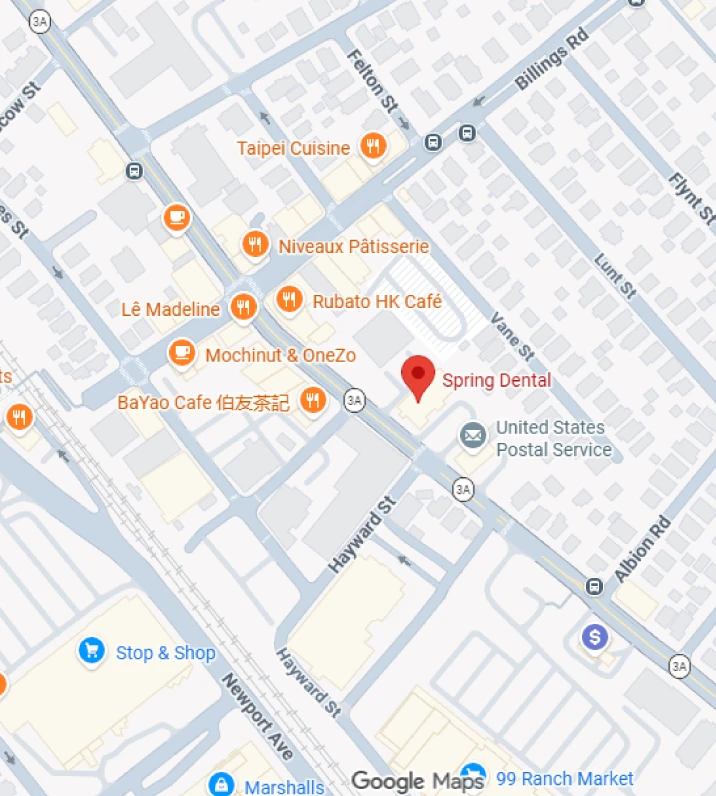
Available Days: Tuesday, Wednesday, Friday, and Saturday
Phone Number: 617-328-0790
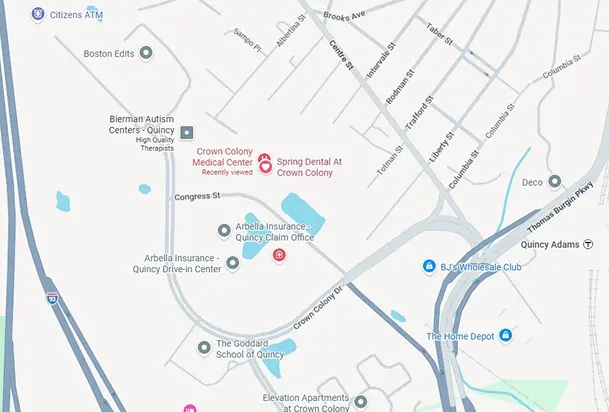
Available Days: Monday & Thursday
Phone Number: 617-984-0044



Overview
Services
Support
Privacy Policy | © 2026 Spring Dental | All Rights Reserved | Digital Marketing by Remedo